

Assessing the River Lemon after barrier removal
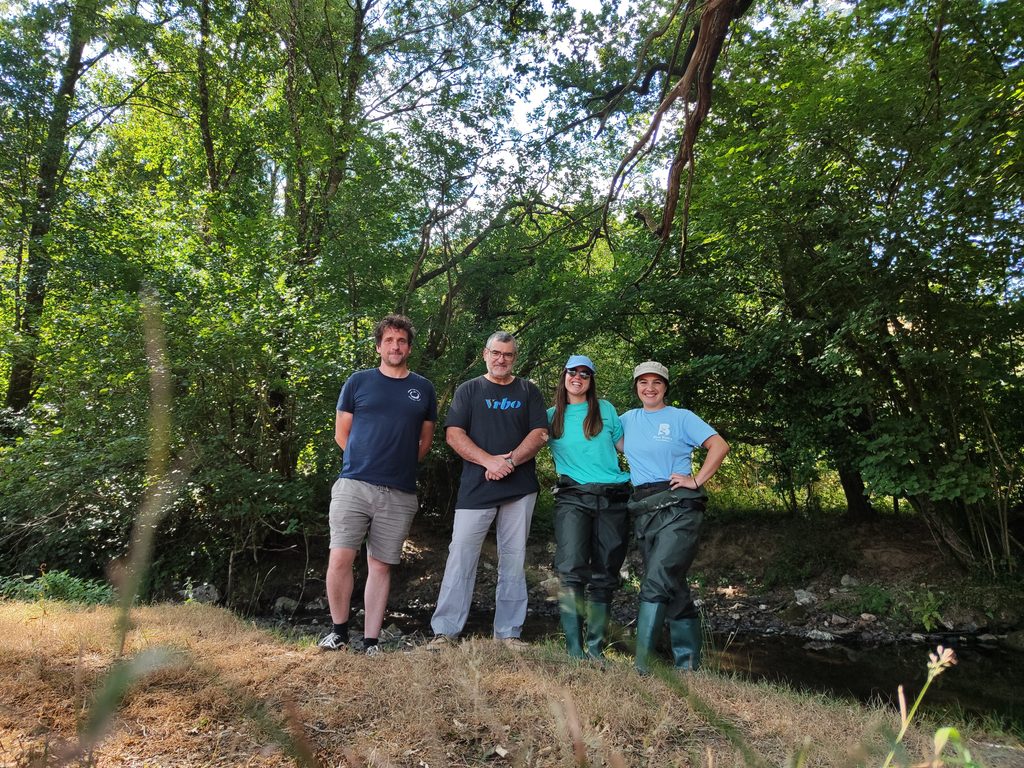
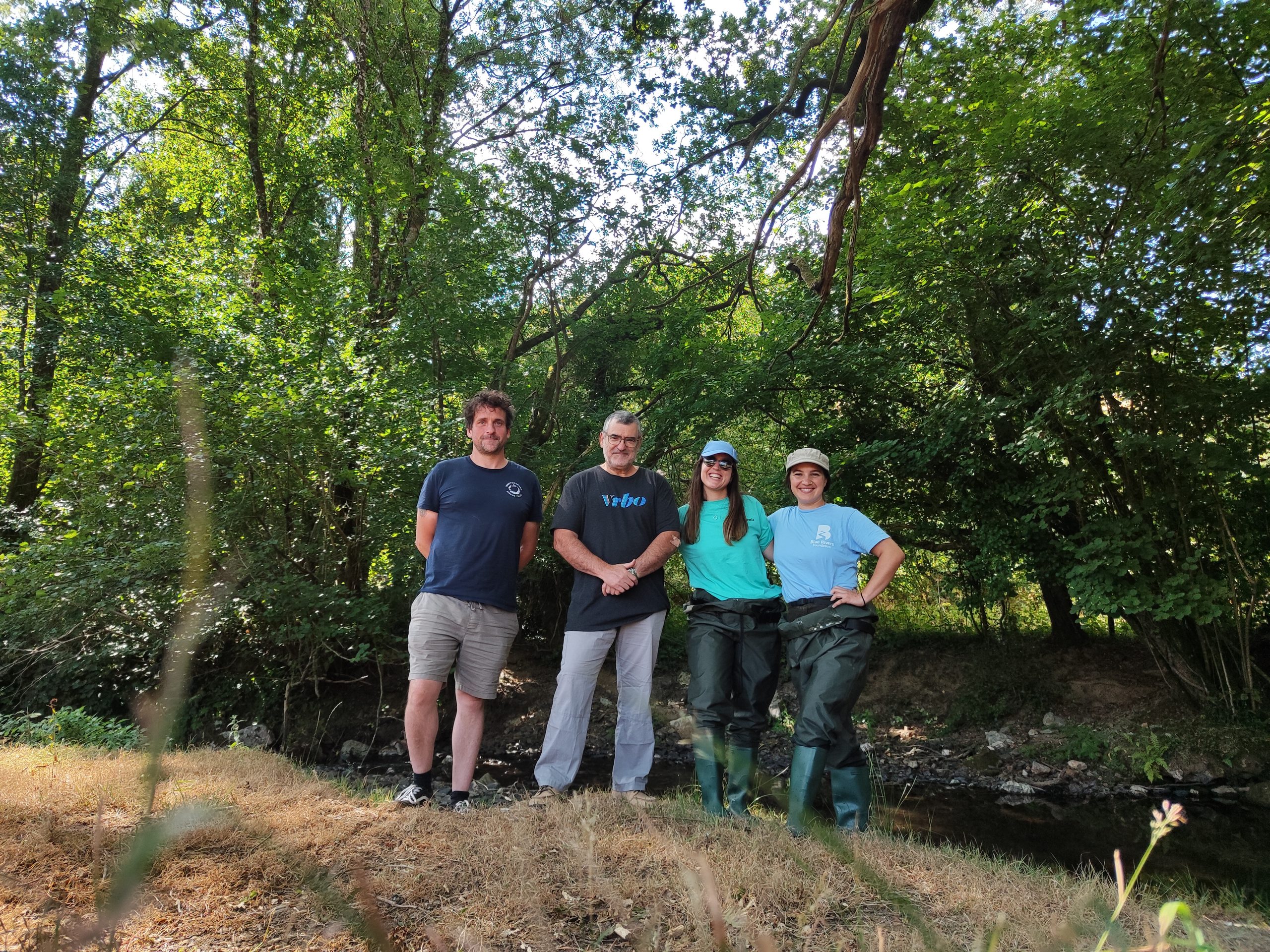
Following our visit to Wales, the Blue Rivers Foundation team continued south to Devon, where we visited our second barrier-removal site in the UK, the Chipley Mill Weir on the River Lemon.
The River Lemon is an important tributary of the River Teign, flowing from Dartmoor National Park towards Newton Abbot, in southwest England. The catchment has been classified as having Moderate ecological status and Poor fish status, with barriers to fish migration identified as an important pressure on the river.
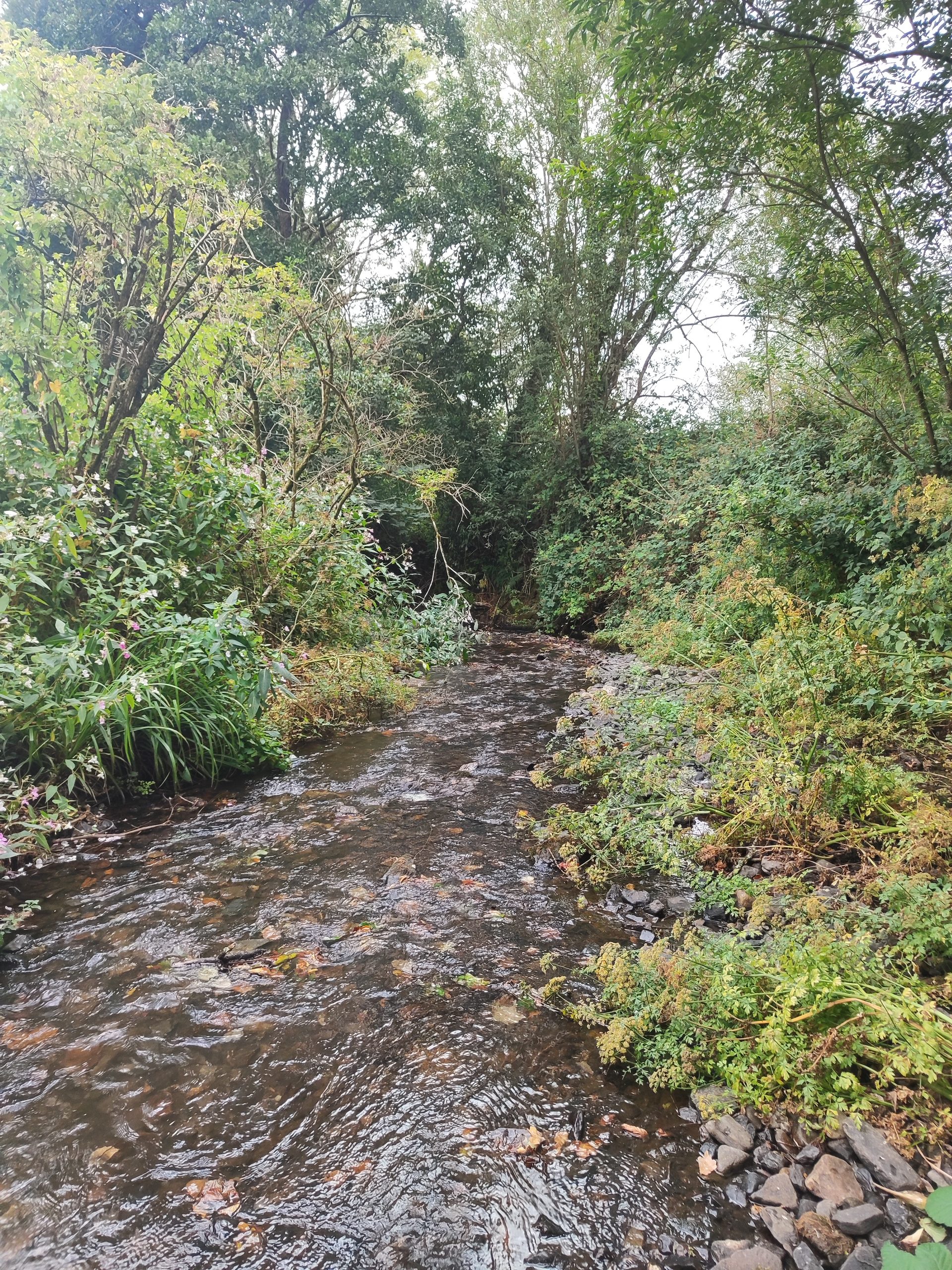
The removal, carried out in 2025 by Westcountry Rivers Trust, in collaboration with the Environment Agency and the National Trust and supported by the Open Rivers Programme. The removal aimed to restore longitudinal connectivity, improve fish passage and allow more natural sediment transport as part of the Lemon PPIP partnership project.
A river showing strong signs of recovery
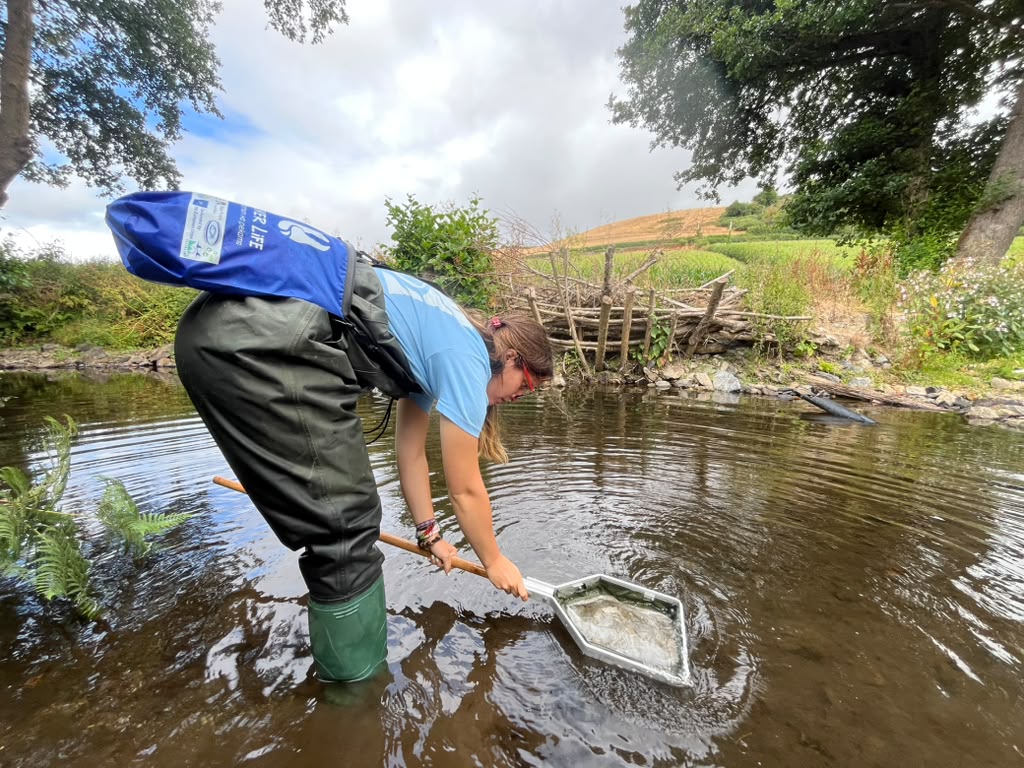
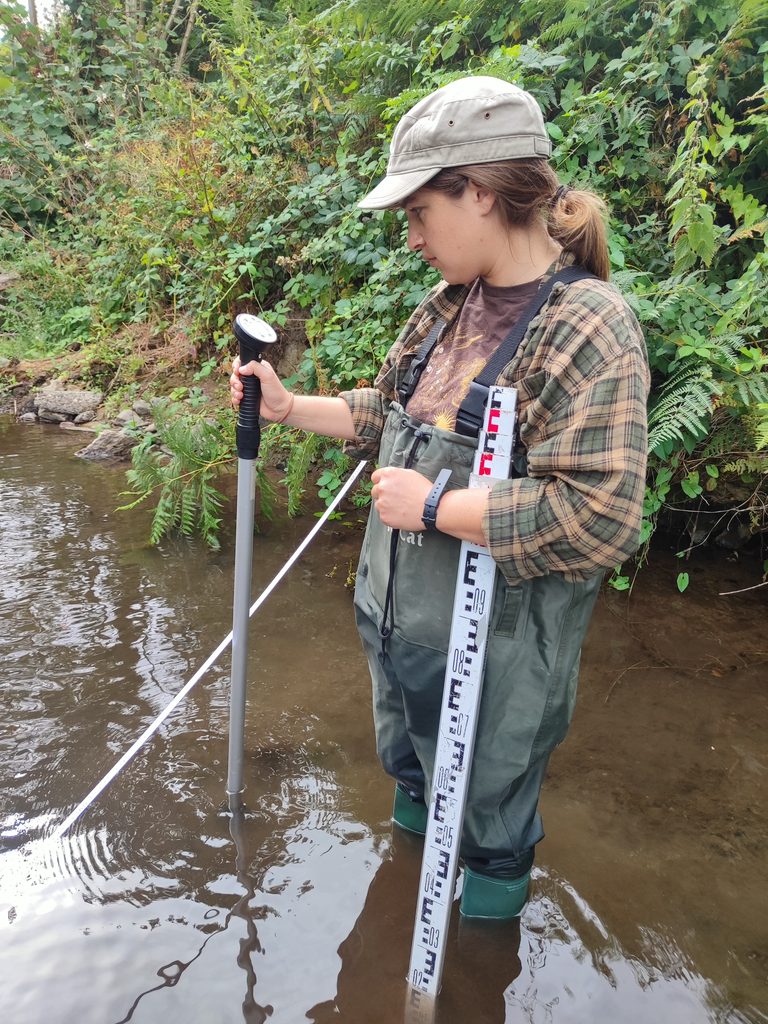
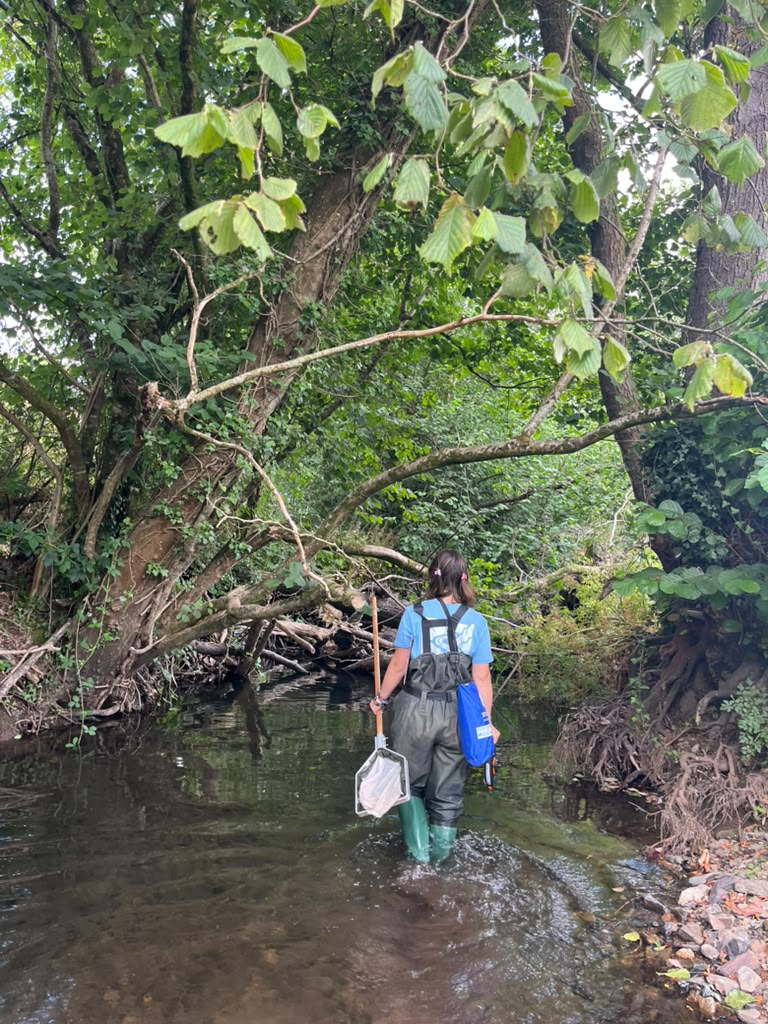
As part of our Open Rivers Programme-funded study on the ecological impacts of small barrier removal, we are assessing 12 barrier removal projects across Europe. At each site, we combine habitat and hydromorphological assessments with macroinvertebrate and riparian vegetation surveys to understand how rivers respond when barriers are removed.
The River Lemon was already showing very encouraging signs of recovery. We observed a diverse and abundant macroinvertebrate community, with indicators of healthy conditions both upstream and downstream of the former weir. The physical characteristics of the river were also looking positive, with the channel beginning to function more naturally following the removal.
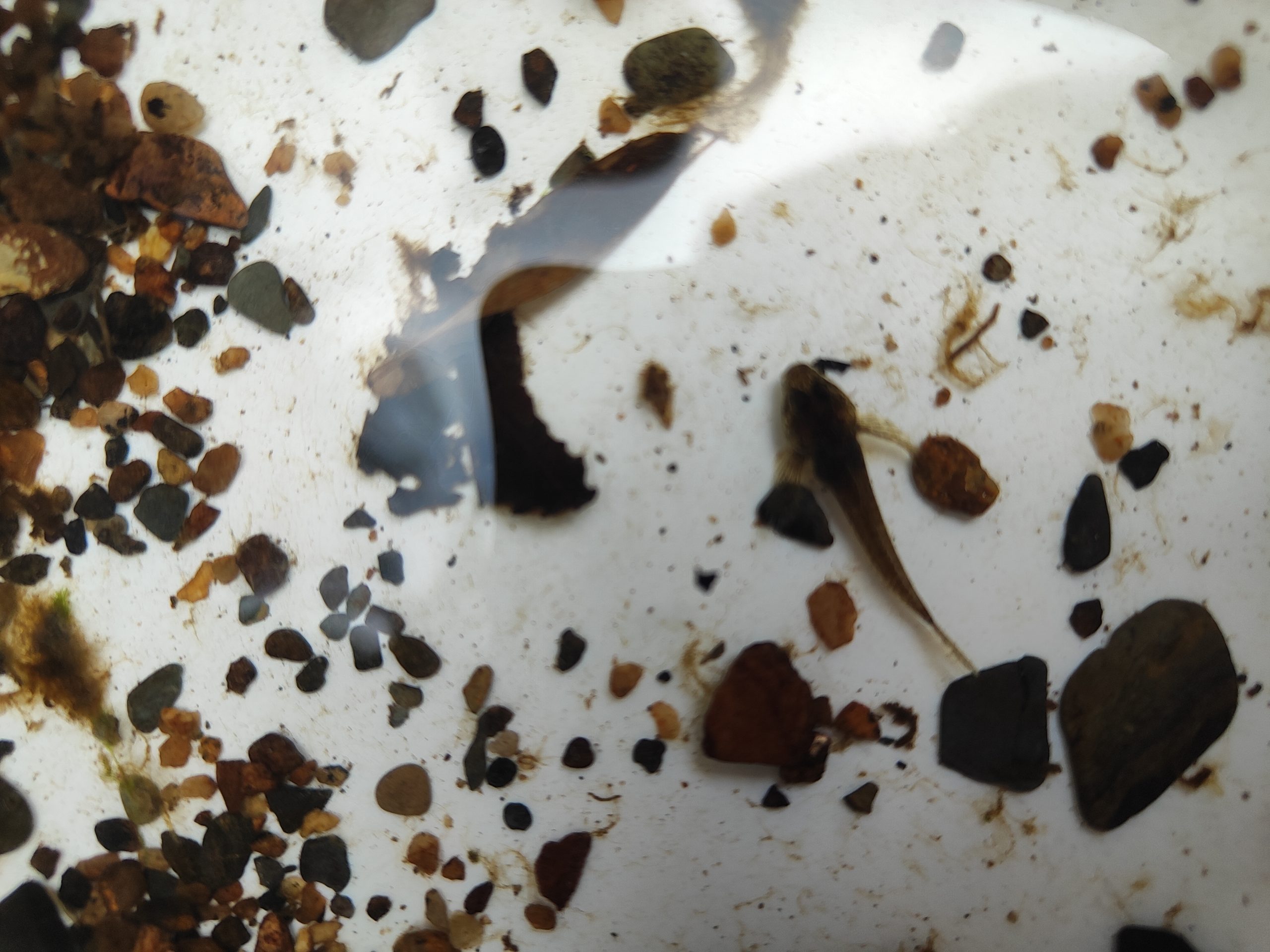
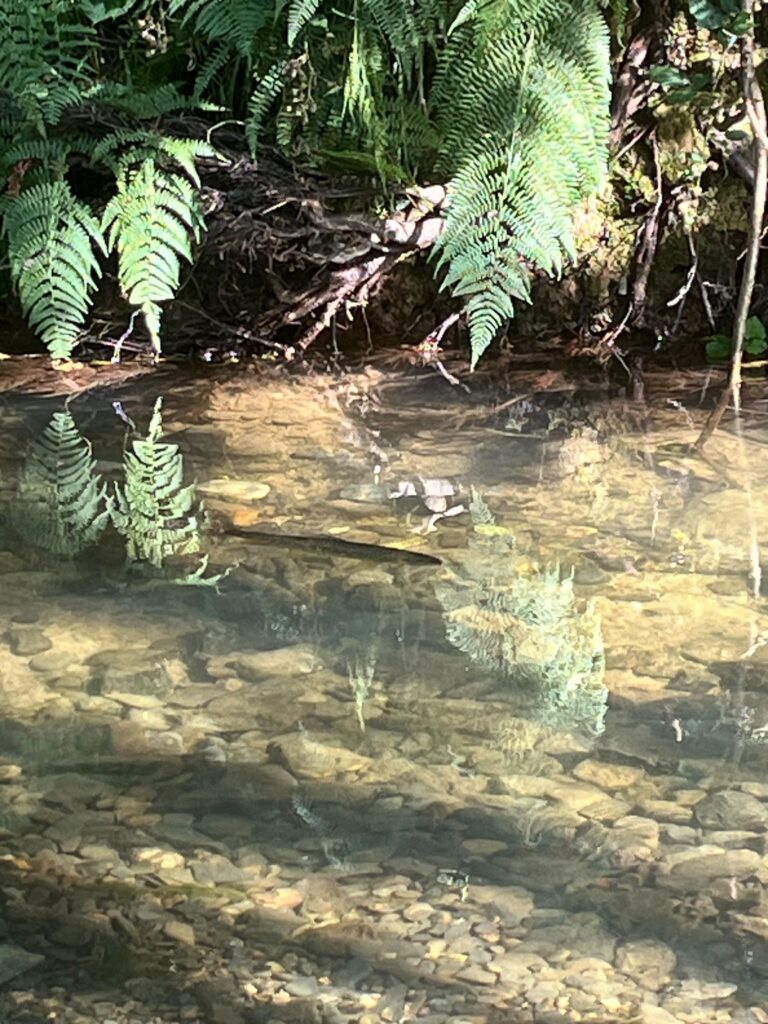
The fish observations were particularly exciting. We recorded several brown trout and two bullheads, adding to the encouraging results from our habitat and biological assessments. These observations are a promising sign of the river’s ecological recovery and its potential to support fish passage.
Connecting with local communities
The former weir is surrounded by a mix of agricultural and recreational land, including nearby maize fields and a campsite. During our fieldwork, we had the opportunity to speak with people curious about our work and interested in the restoration taking place on the river.
We also distributed surveys in nearby villages to gather local views on river restoration and barrier removal. Understanding these perspectives is an important part of our wider assessment, is not only about changes in the river itself, but also about how restoration projects are understood and experienced by the people living alongside them.
The next step for the River Lemon
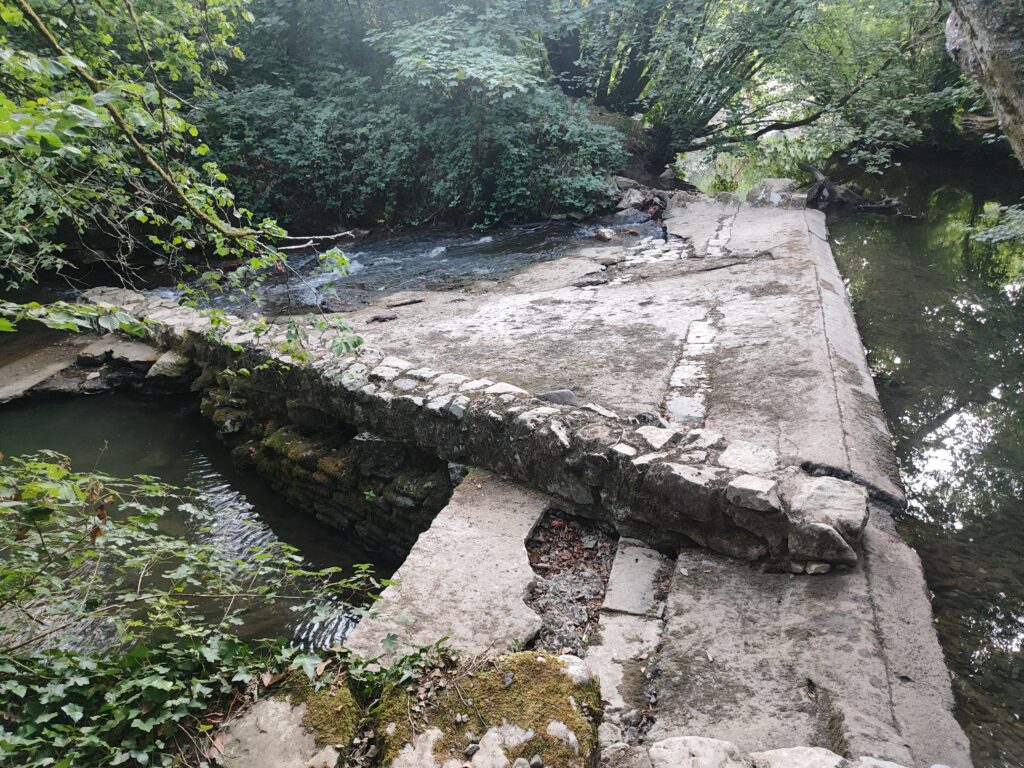
The next major challenge is Bradley Manor Weir, a barrier located further downstream on the Lemon and currently the most downstream barrier to fish migration on the river. Preparatory work is already underway towards its future removal, which would further improve connectivity for migratory fish and open access to 22.5 km of upstream habitat, while allowing more natural sediment transport and river processes.
For BRF, the River Lemon is a particularly interesting example of the early ecological responses that can follow barrier removal. By comparing this site with the other projects in our study, we hope to better understand how quickly rivers respond and which ecological changes can be observed when barriers are removed. We look forward to seeing how the River Lemon continues to recover.