

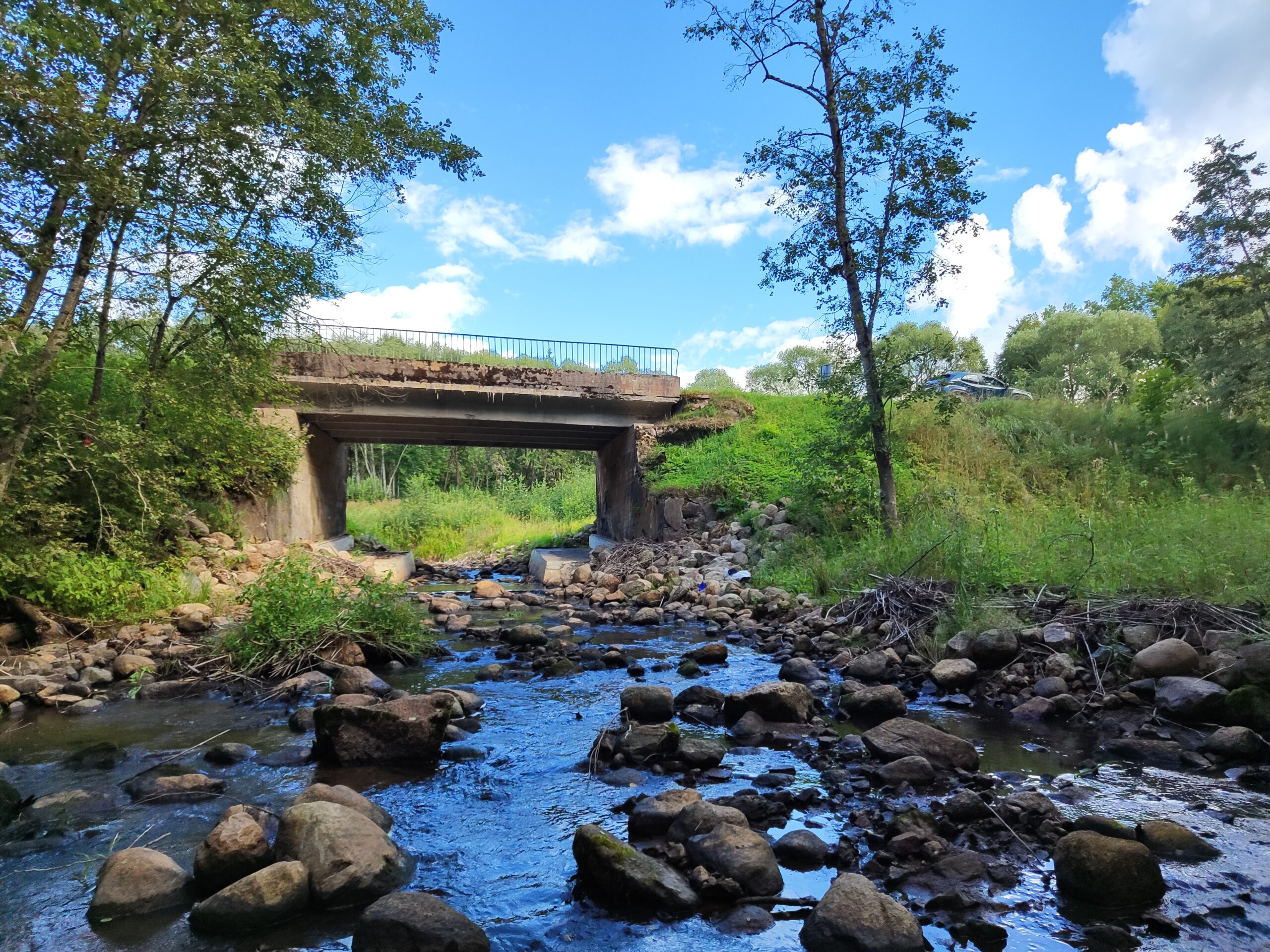
Fieldwork on the Alūksne and Vildoga rivers following barrier removal
In mid-August, the Blue Rivers Foundation team travelled to Latvia to monitor two rivers following recent barrier removals by Pasaules Dabas Fonds / WWF Latvia, with support from the Open Rivers Programme (ORP).
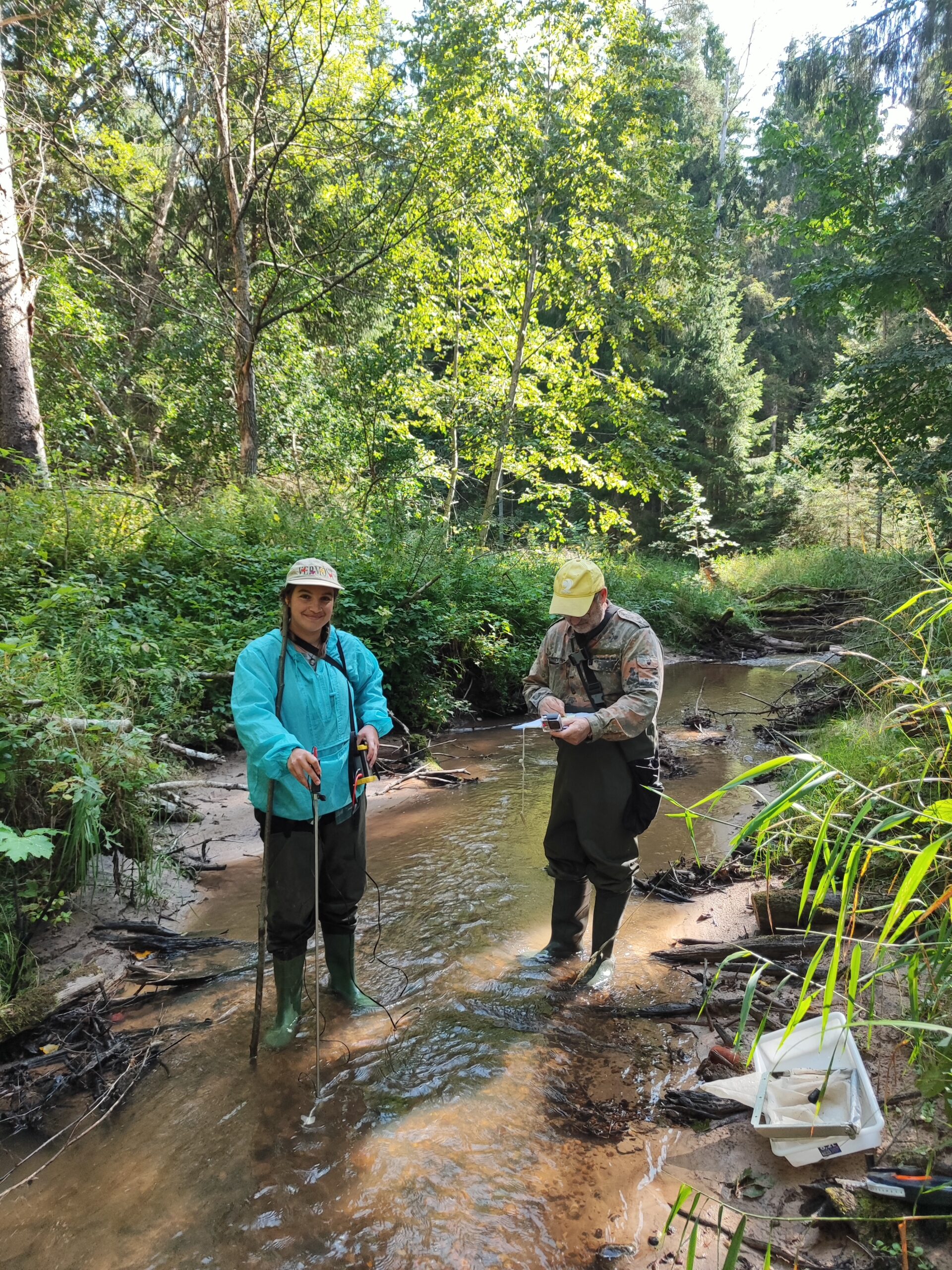
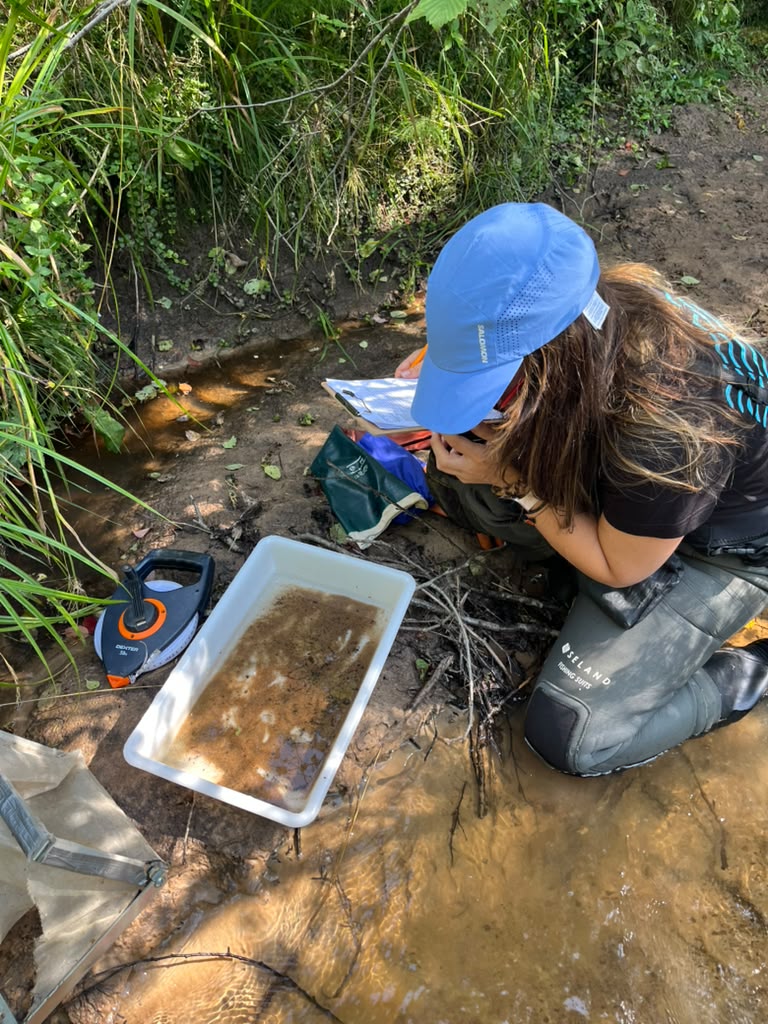
As part of our ORP-funded project on the impacts of small barrier removal, we are monitoring sites after removal to document how rivers and their habitats respond, from sediment movement and habitat conditions to aquatic life, fish passage, and social perceptions.
The Beja watermill: Latvia’s first dam removal
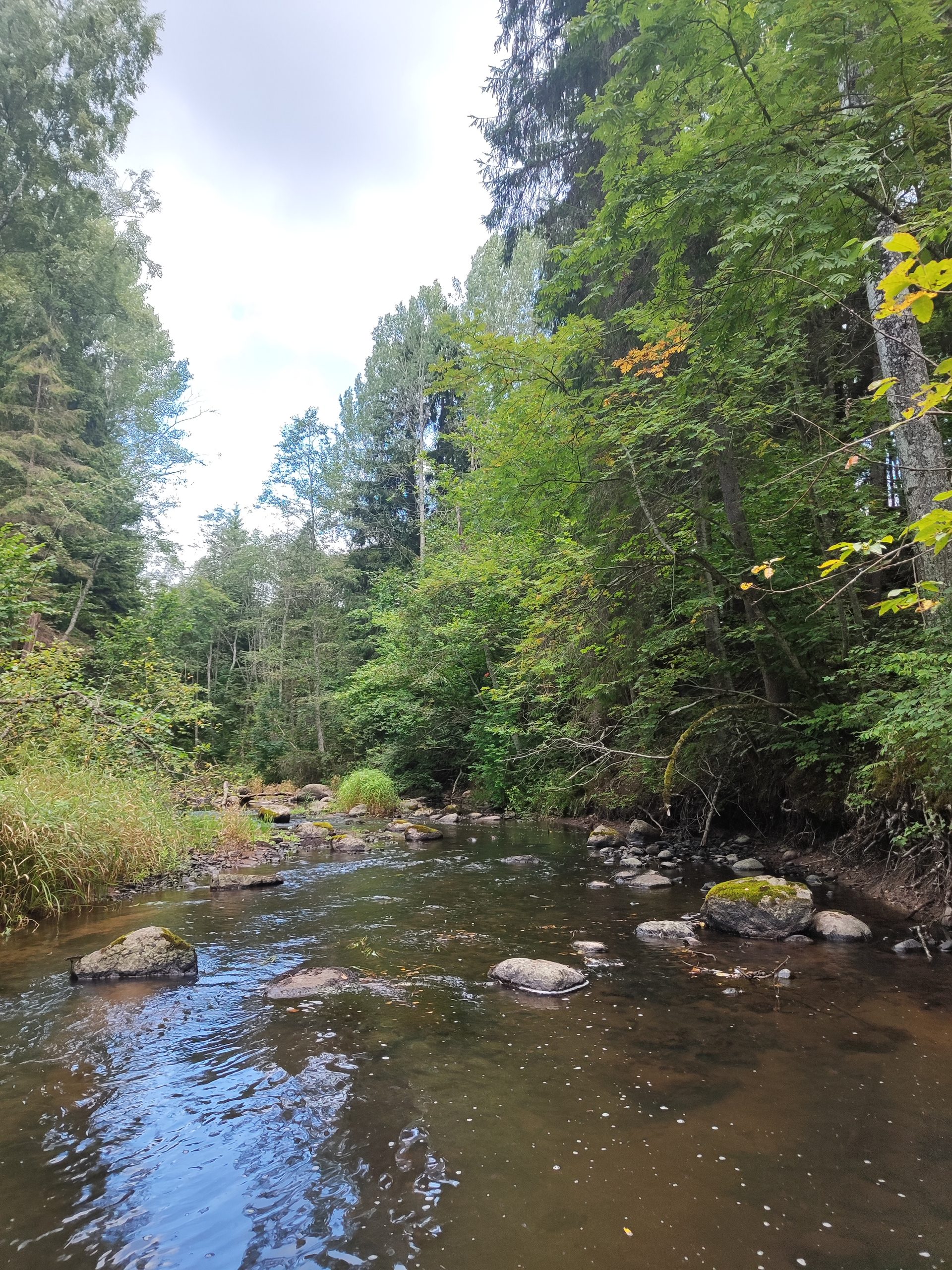
Our first stop was the Beja watermill weir, on the Alūksne River near Beja village. The 4-metre-high, 6-metre-long weir was removed in 2024 by Pasaules Dabas Fonds/WWF Latvia, with support from ORP, reconnecting approximately 20 km of river habitat.
The structure had a long history. Originally associated with the Vietinghoff family in the 19th century, the site later served a sawmill and a small hydropower station. By the 1980s, the water level was being raised for duck hunting. Eventually, the dam became non-functional and ownerless, while also creating flood-related concerns. Its removal in 2024 marked the first dam removal in Latvia, representing an important milestone for river restoration in the country.
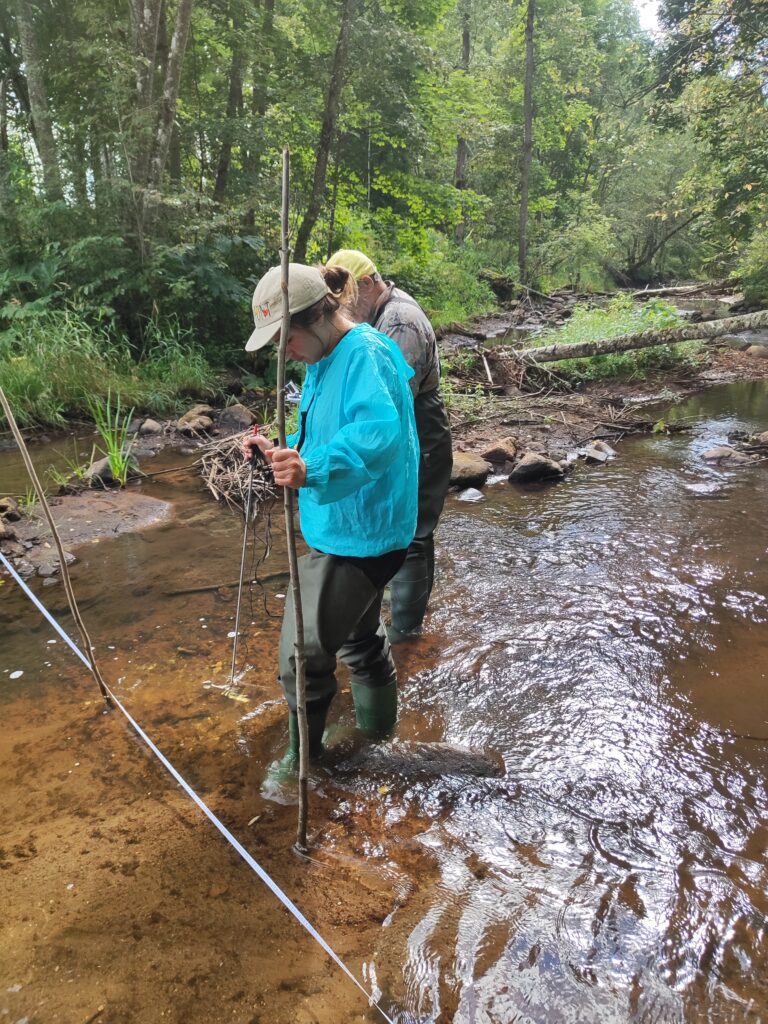
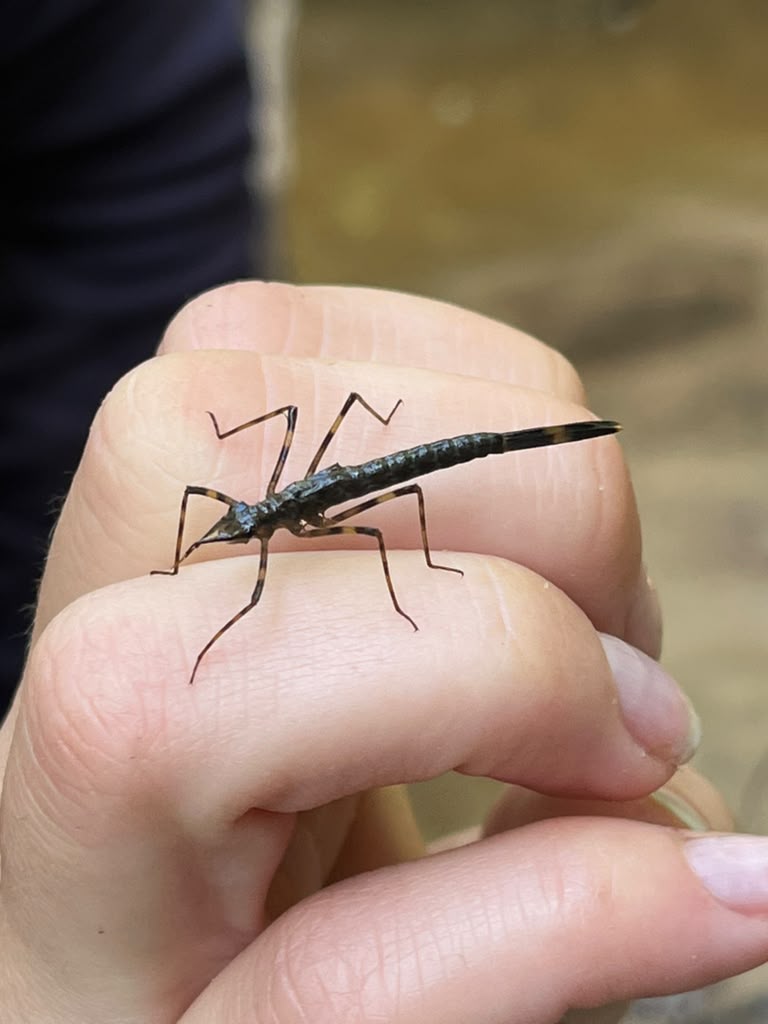
A year later, the river is still adjusting. Upstream, we found substantial sediment deposits and muddy conditions, alongside biological indicators including minnows, loach, and mussels. Downstream, we observed more diverse and well-distributed habitat features, providing suitable conditions for aquatic organisms.
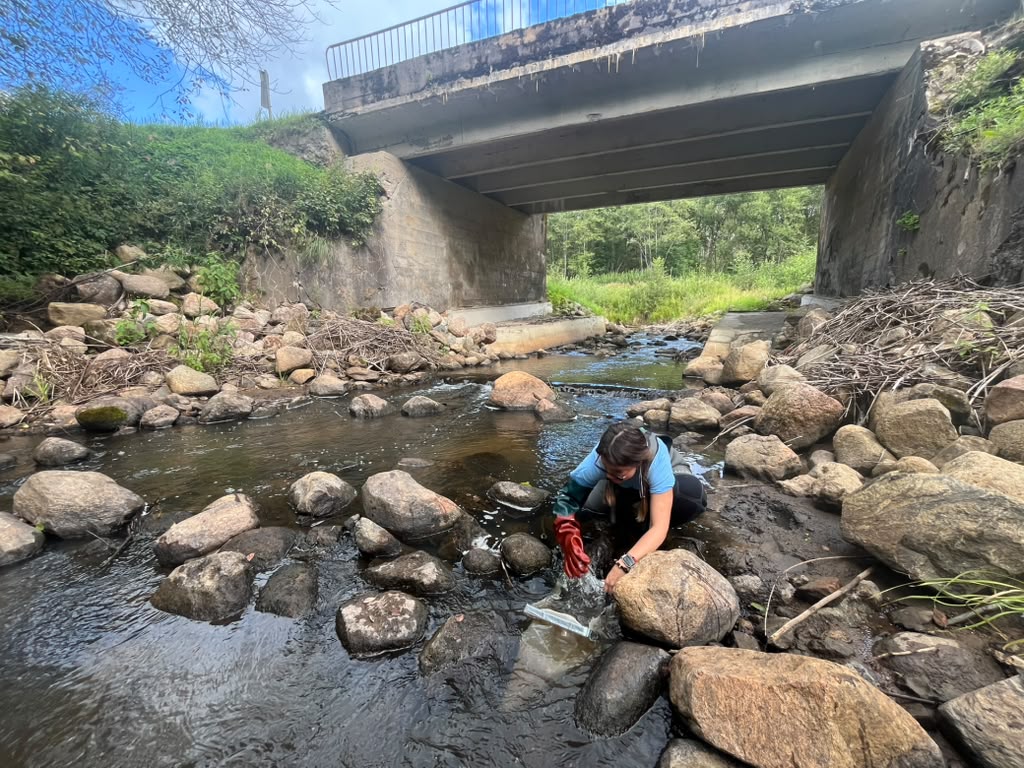
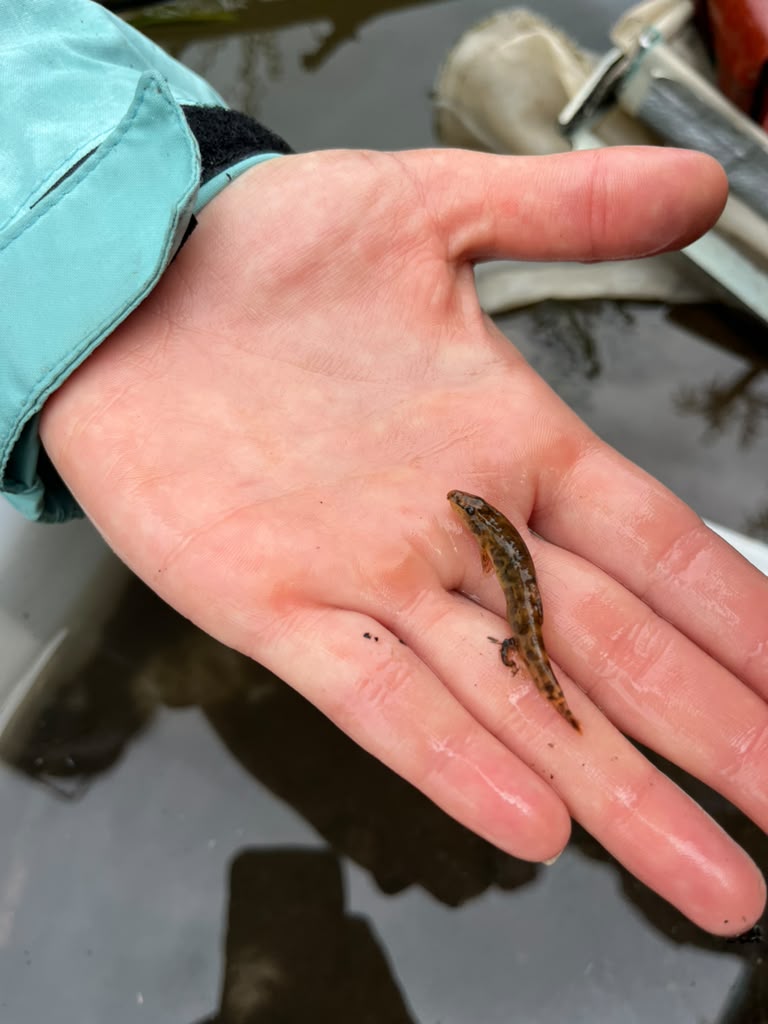
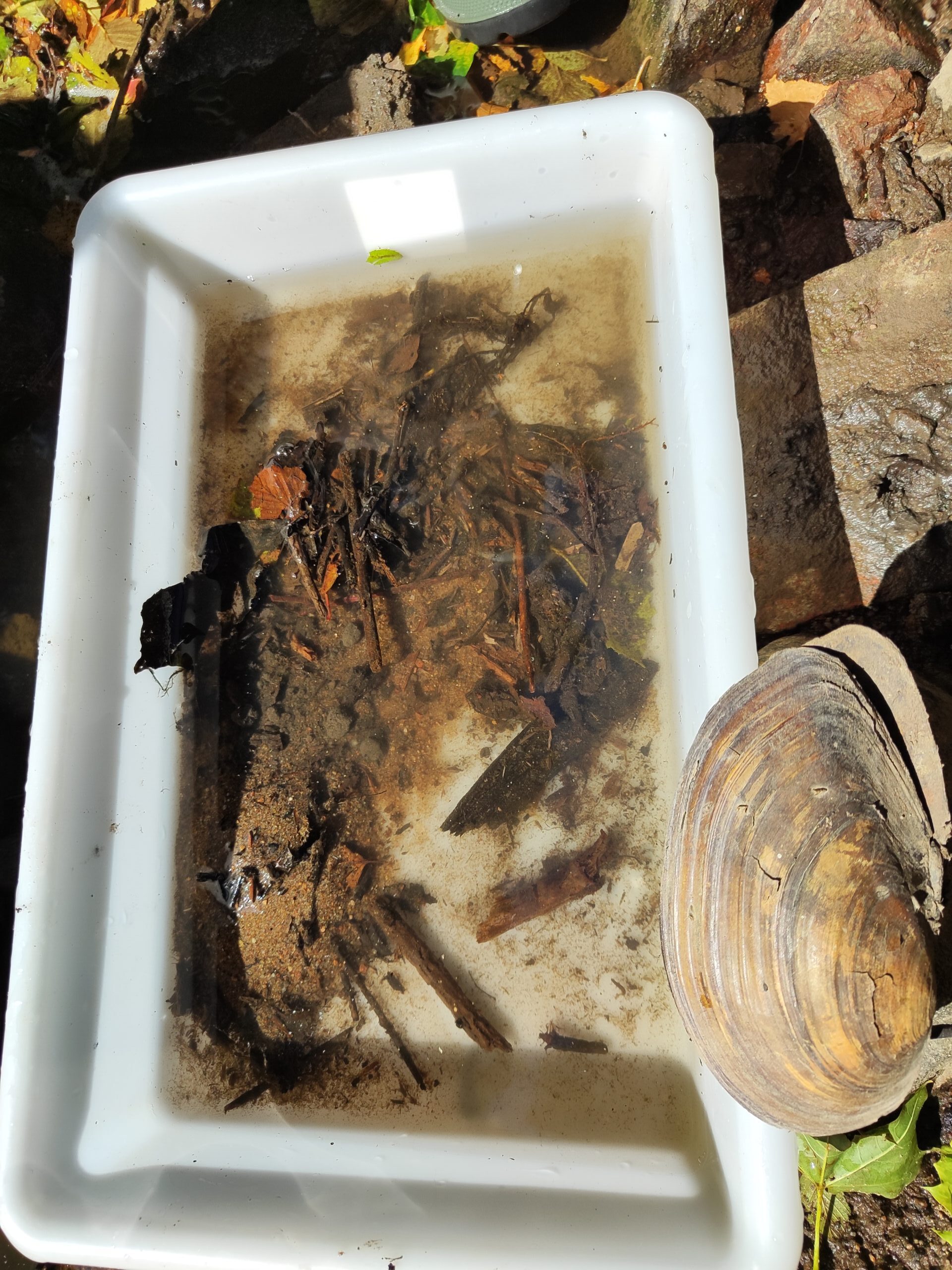
The removal also highlighted the importance of local acceptance in river restoration. While changes to familiar river features can raise concerns, the Beja removal was ultimately accepted by the local community, helping to make the restoration possible.
Two culverts removal in the Vildoga River
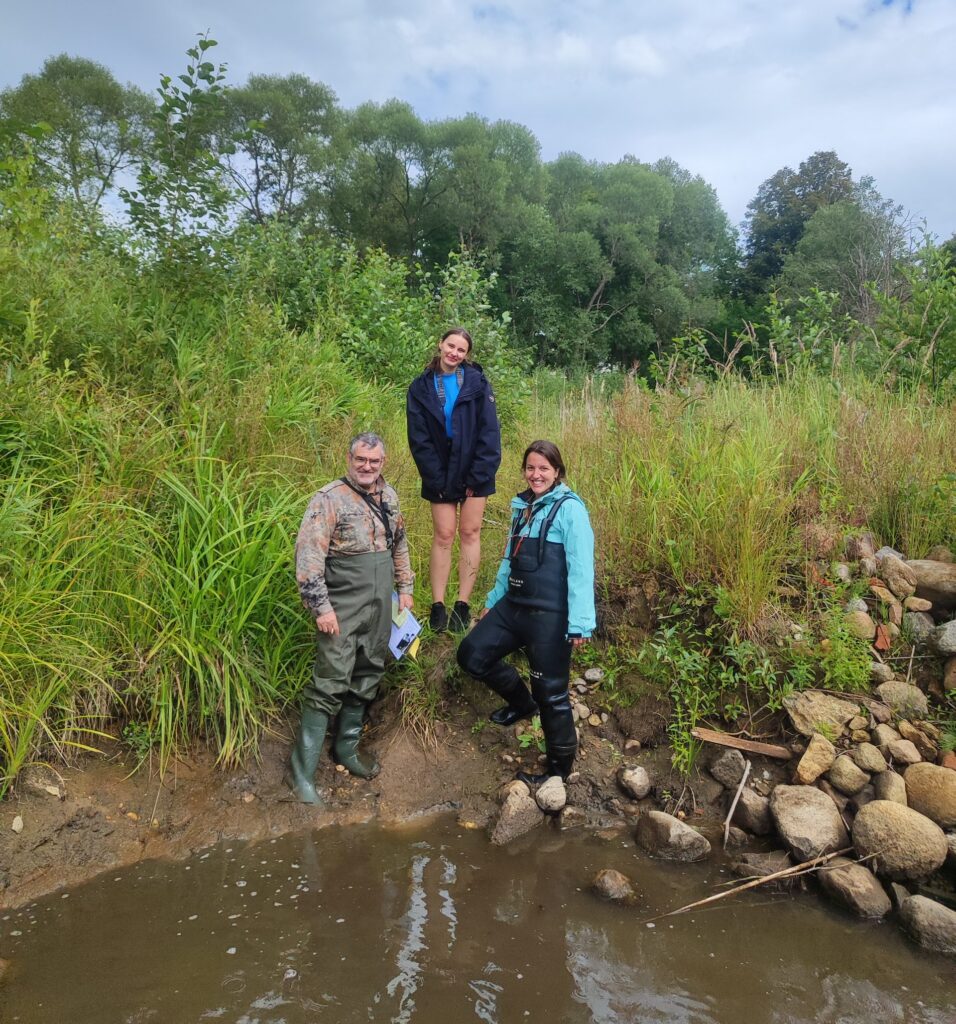
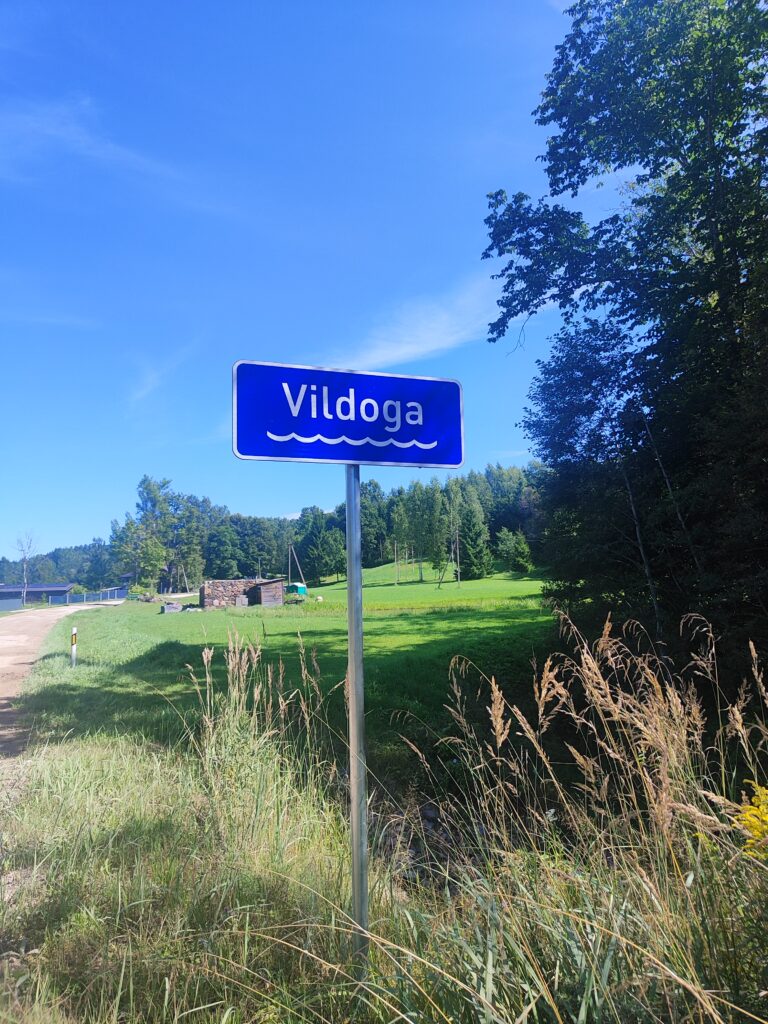
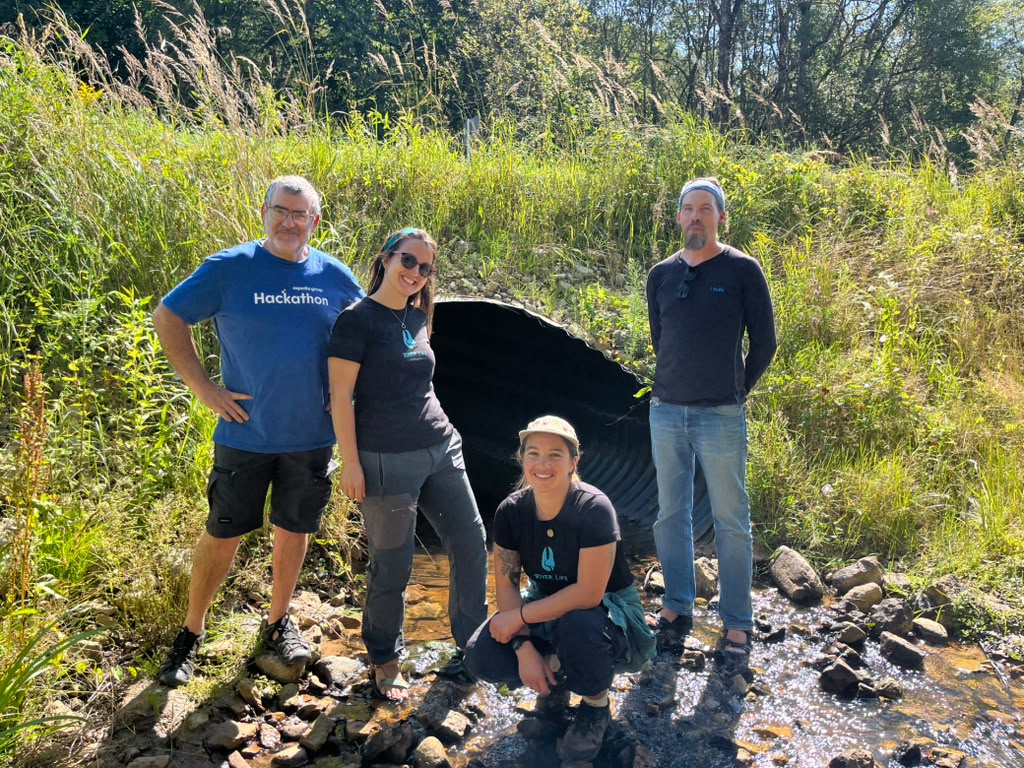
Our second monitoring site was the Vildoga River, a tributary of the Gauja near Augšlīgatne. Here, two road culverts were removed in 2025 by WWF Latvia / Pasaules Dabas Fonds and project partners, addressing major barriers to salmonid migration and reconnecting approximately 25 km of river habitat.
The removals form part of the project Mapping of impassable culverts in the ecologically high-priority Gauja River Basin, which assessed 98 culverts across the basin. Of these, 74% were identified as problematic or impassable, helping to identify priority sites for future restoration.
The Vildoga River is part of the ecologically important Gauja basin, home to one of Latvia’s longest free-flowing river systems, with around 260 km of river remaining undammed. These free-flowing stretches provide important spawning and feeding habitats for salmon, sea trout, river lamprey and other migratory fish. By removing the two culverts, approximately 25 km of river habitat have been reconnected, improving longitudinal connectivity within the river system.
During our field assessment, we observed well-developed river habitats and a range of conditions suitable for aquatic species, providing an important baseline for monitoring how the river continues to respond following the removals
Restoration is not only about removing barriers
Our time in Latvia also highlighted an important part of river restoration: successful barrier removal depends not only on ecological benefits, but also on local acceptance. Many barriers are closely connected to how people use and perceive their rivers, as barriers can be valued for swimming, fishing, or recreation, or simply because they have been part of the local landscape for generations.
At Beja, the relatively small population around the site helped facilitate the project. Culvert removal can also be easier to support when it is linked to existing road infrastructure, improves road connectivity, and has less impact on the visible landscape.
Understanding how rivers respond after removal helps build the evidence for future restoration, while working with local communities and stakeholders is essential to making that restoration possible.