


Monitoring the Rudbaxton Water after culvert removal
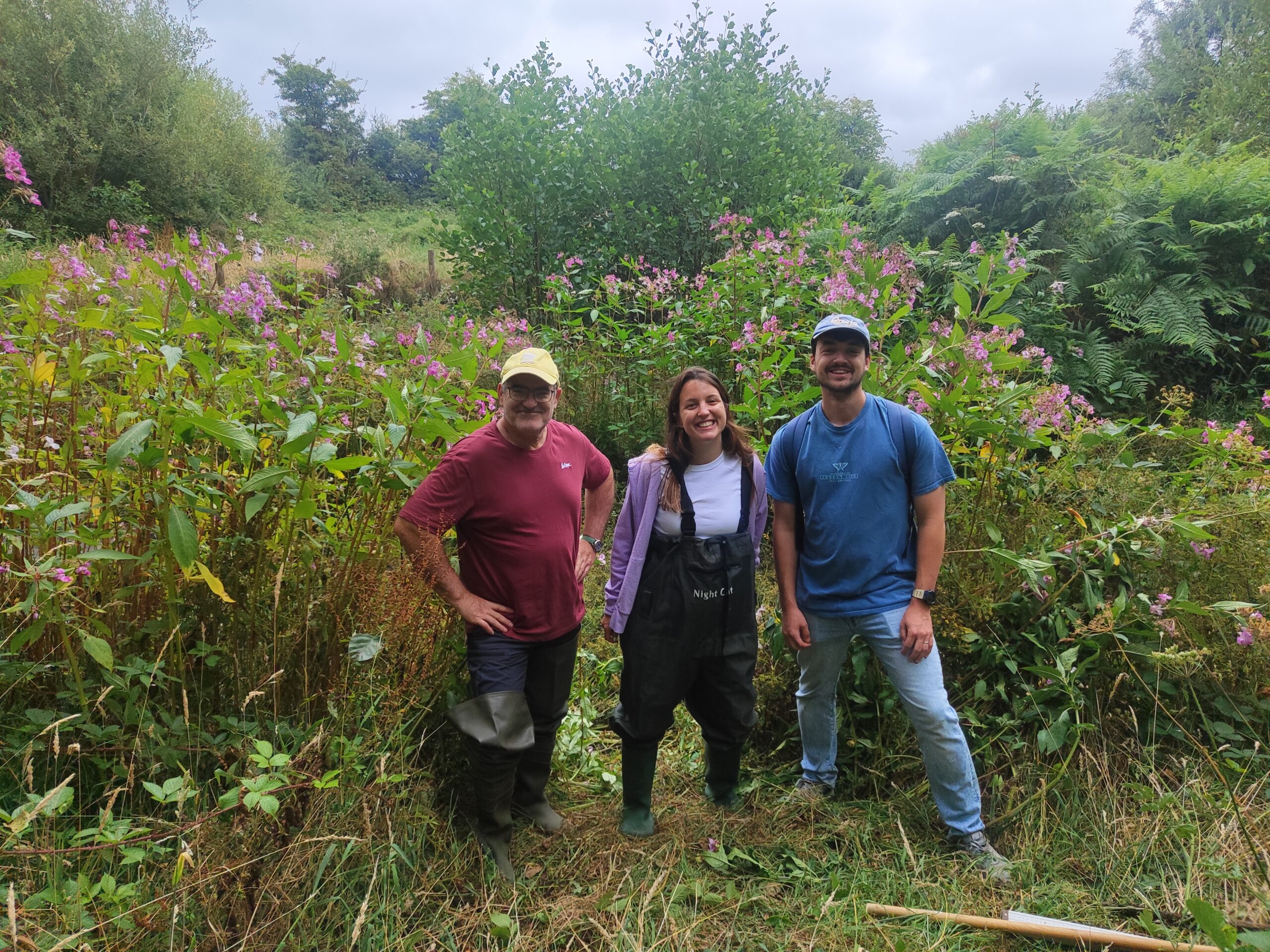
At the end of July, the Blue Rivers Foundation team travelled to the UK as part of the 12 barrier-removal projects we are monitoring this year through our Open Rivers Programme-funded project on the ecological impacts of small barrier removal.
Our first stop in the UK was in Wales, where we visited Rudbaxton Water to assess the river three years after the removal of a culvert. The culvert was removed in 2023 as part of the Reconnecting the Salmon Rivers of Wales project, led by Swansea University in collaboration with partners including West Wales Rivers Trust. The approximately 6-metre-long and 0.9-metre-high culvert was removed to restore connectivity, reconnecting around 2.5 km of river habitat.
Looking at river recovery
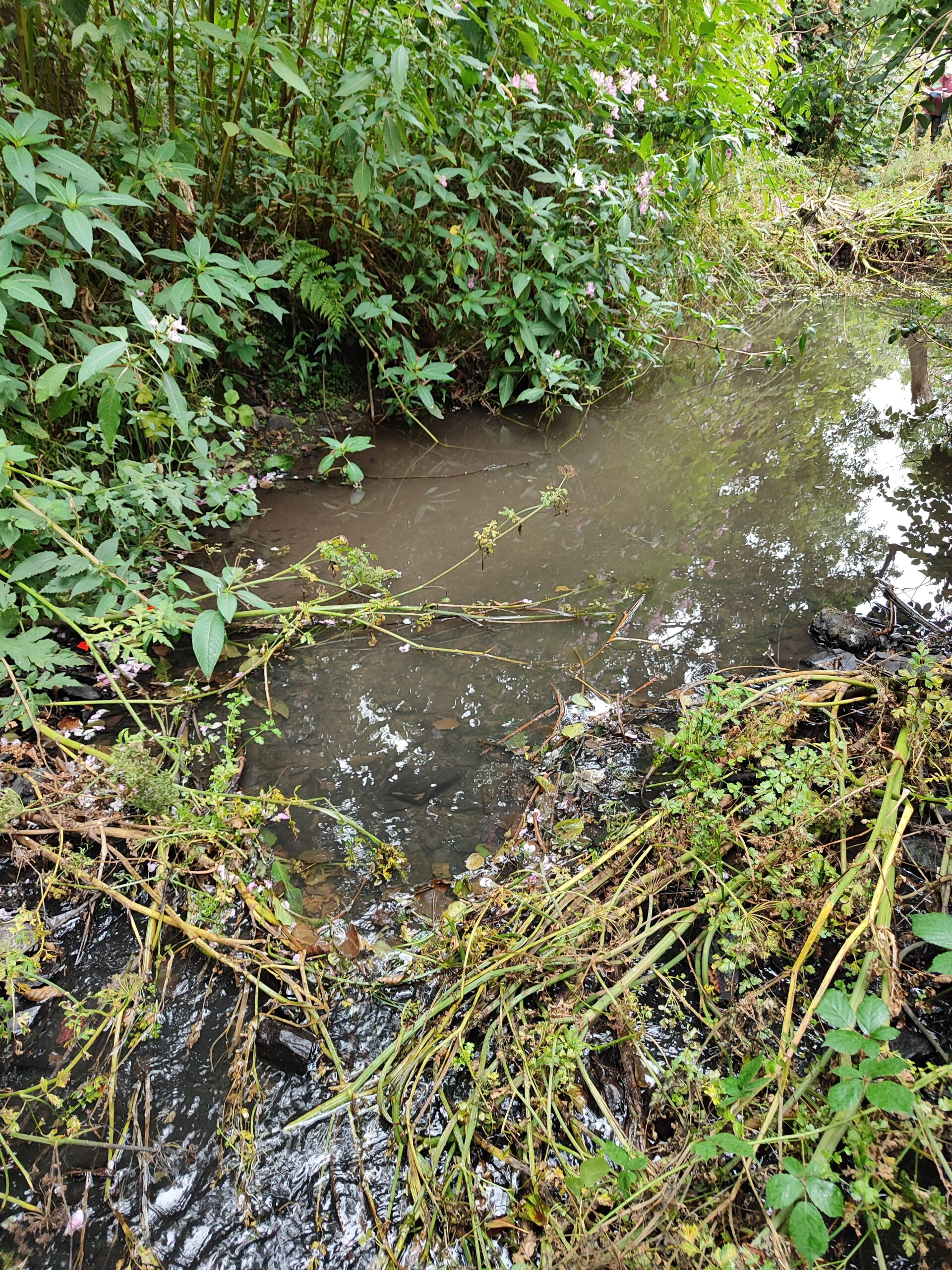
The former culvert was located on privately owned agricultural land, also used as a recreational area for clay pigeon shooting. The landowner supported the removal, and during our visit we met the manager of the property, who was also very open to our monitoring work. There was plenty of evidence of the site’s recreational use, with clay pigeon debris visible around the surrounding vegetation.
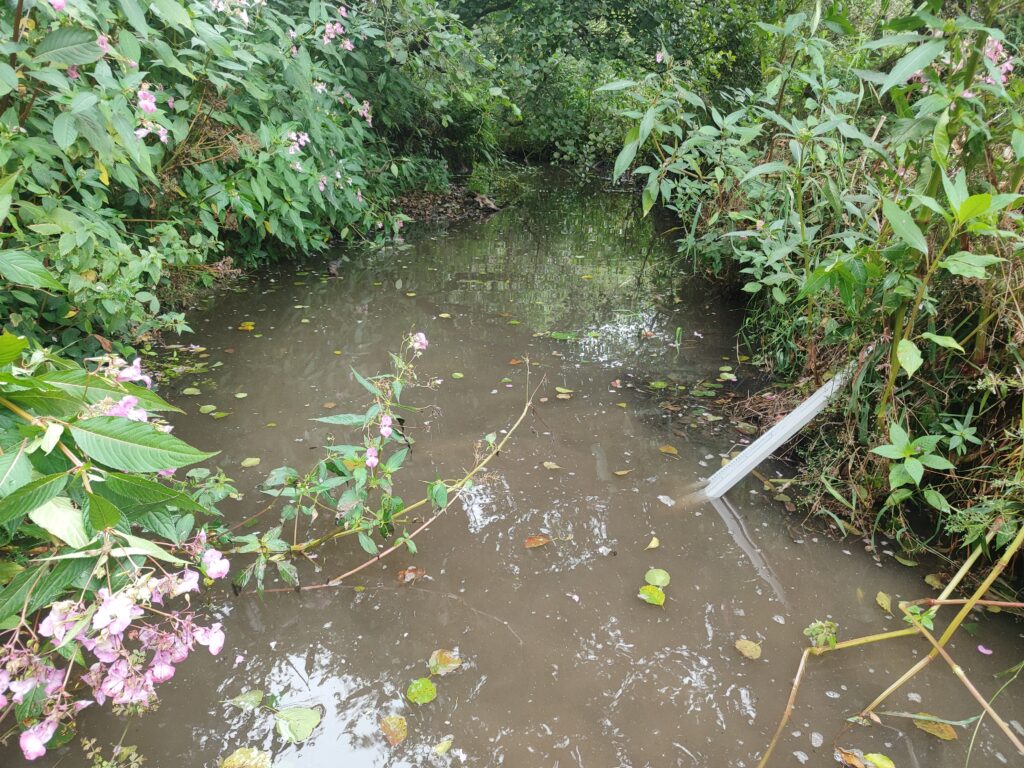
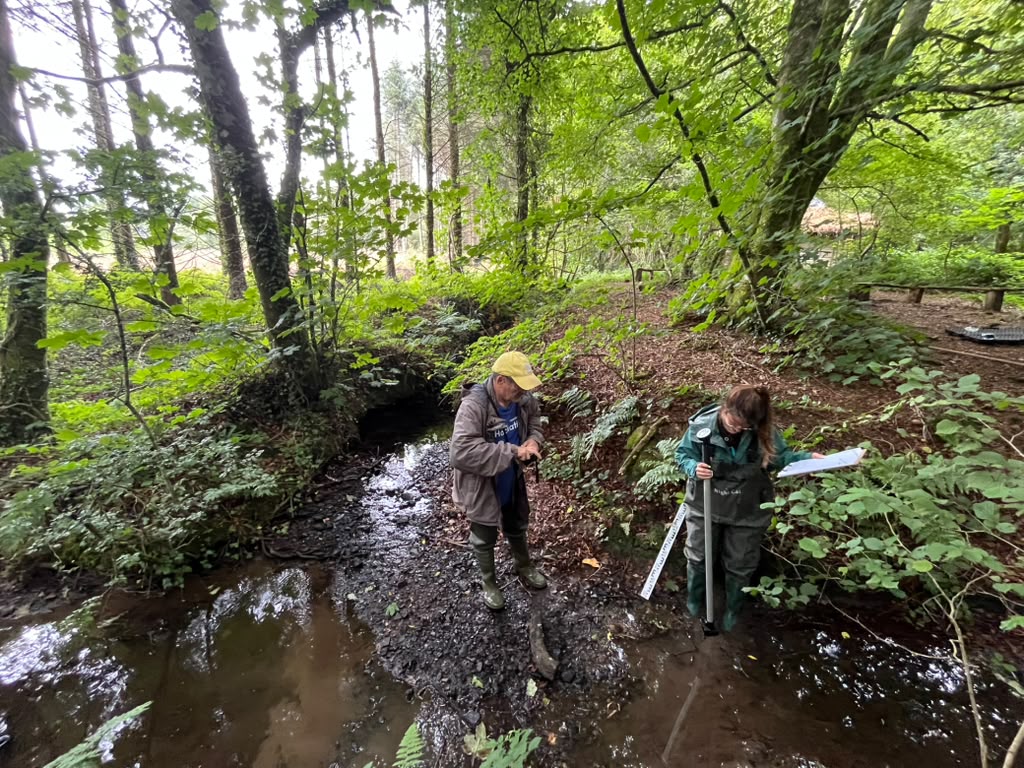
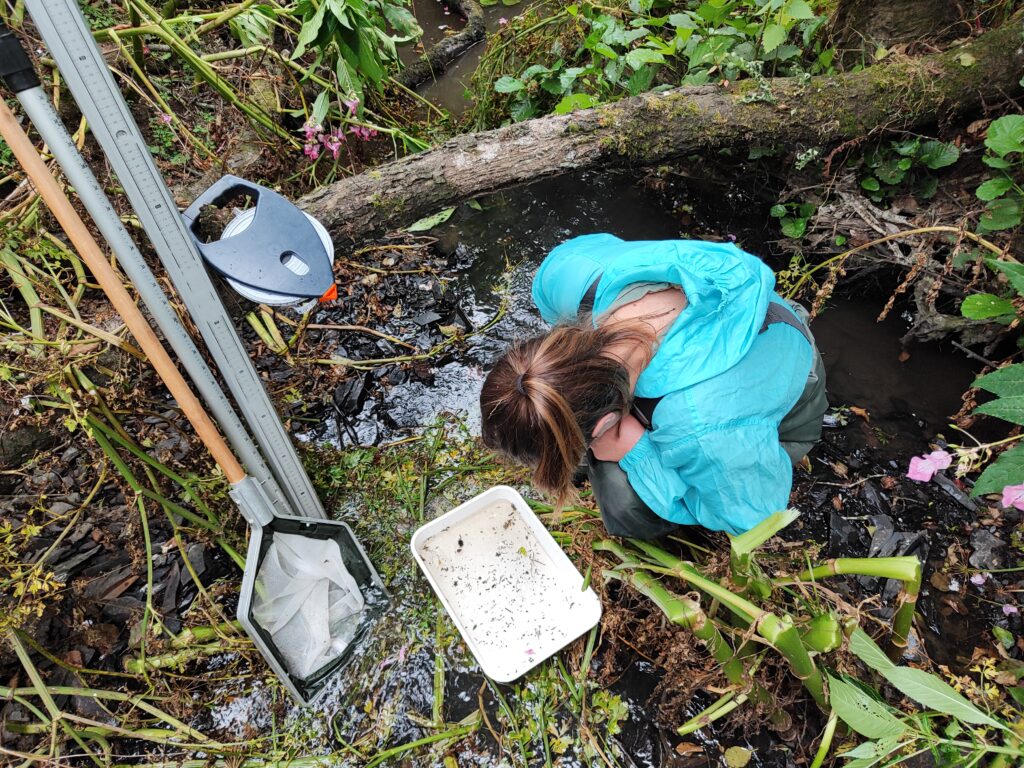
At the former culvert location, the stream now passes through a small rock ramp constructed using materials from the river, including rocks and woody material. We surveyed the channel and assessed habitat conditions both upstream and downstream of the former barrier.
Ecological relevance
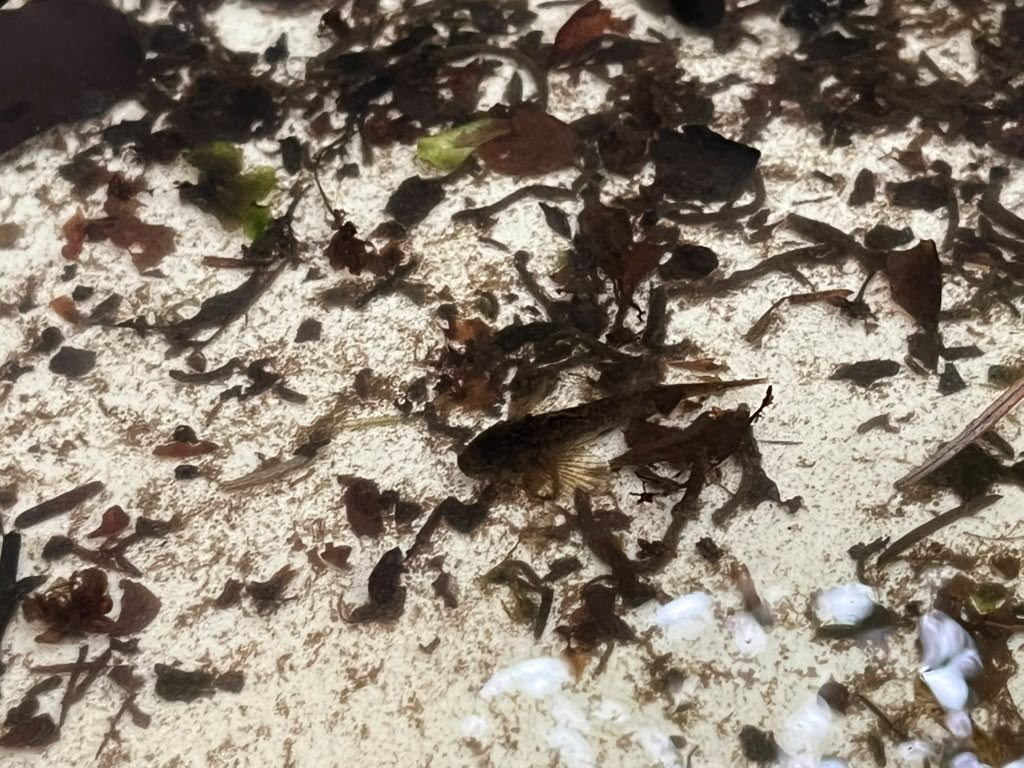
As part of the biological monitoring, we found several sticklebacks downstream of the former culvert and, importantly, also upstream. Their presence upstream is consistent with improved connectivity following the culvert removal, although further monitoring will be needed to understand how fish are using the restored section.
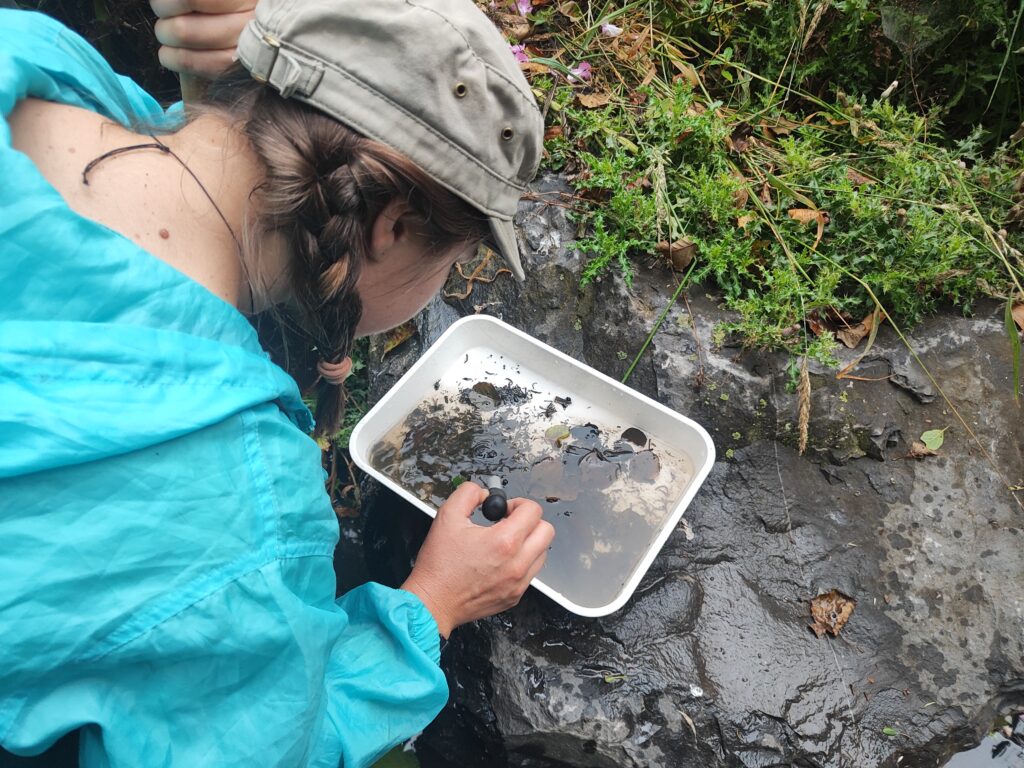
We also collected aquatic macroinvertebrates, which provide an indication of water quality. The first results suggest moderate water quality at the site. These results will be considered alongside the other data collected as part of the monitoring to better understand the ecological condition of the river.
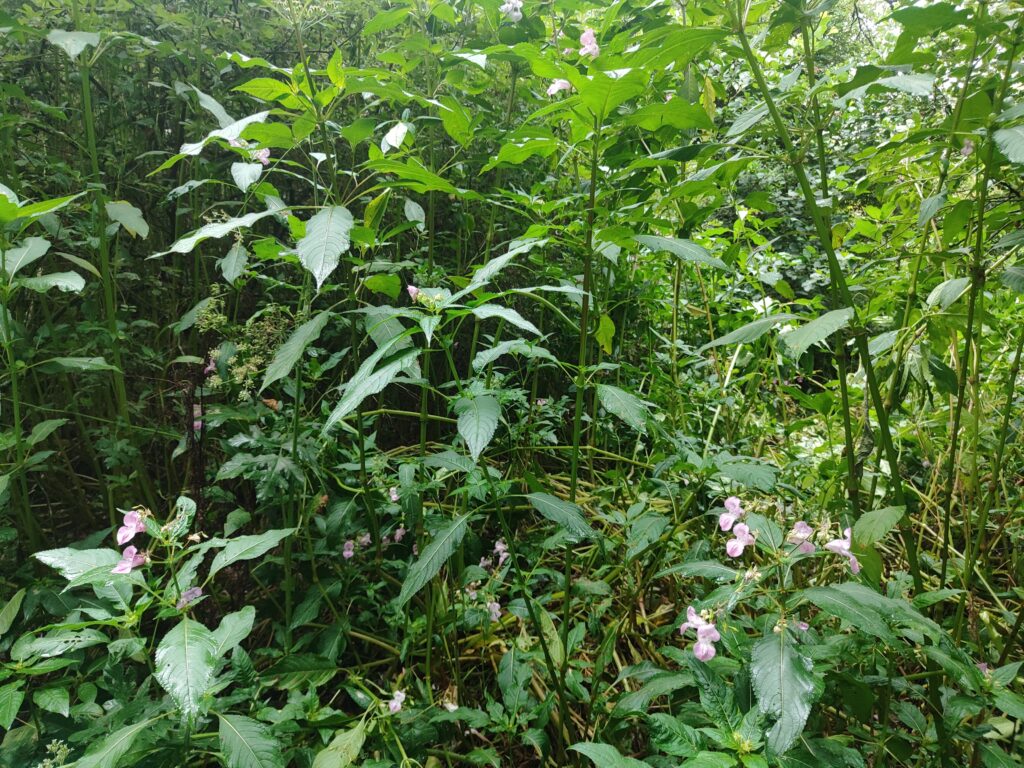
The vegetation survey showed a very high presence of Himalayan balsam (Impatiens glandulifera), an invasive non-native species that was widespread along the riverbanks. Its abundance is worth monitoring in the future, particularly if management or control measures are considered for the site.
Understanding the wider catchment
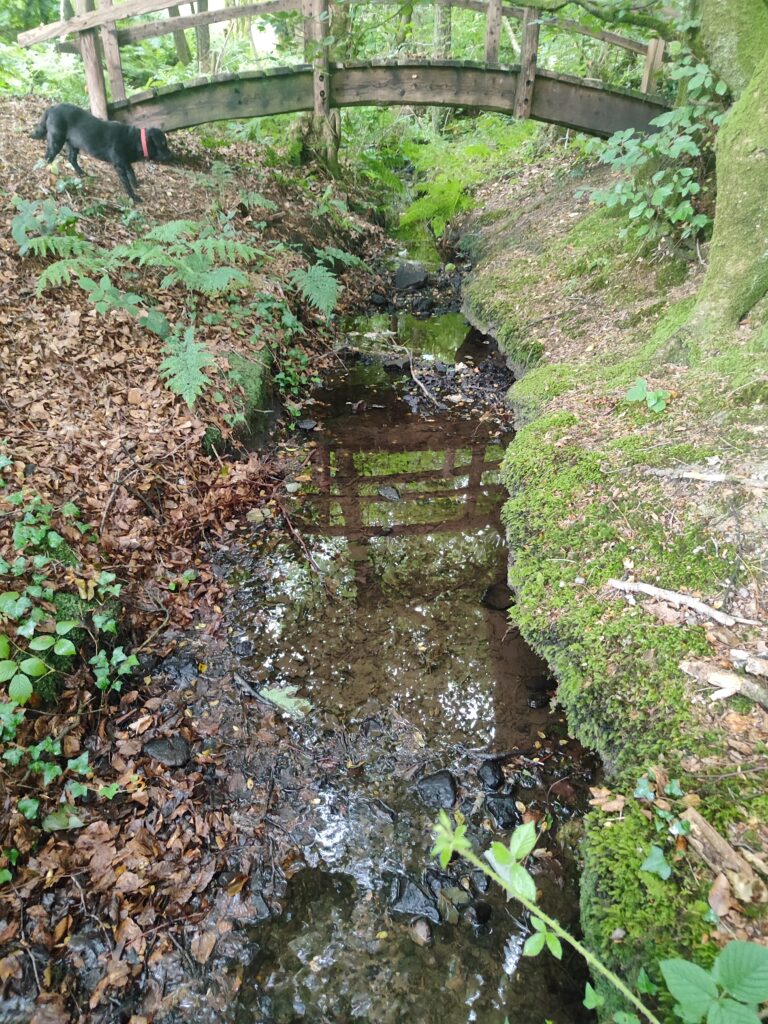
The visit also allowed us to understand some of the wider pressures affecting Rudbaxton Water. The catchment is surrounded by agricultural and livestock activity, as well as the Withyhedge landfill, making water quality an important concern in the area.
While looking for an access point upstream of the former culvert, we were introduced to David Willcox, a local environmental monitor who collects air and water-quality data around the landfill and other potential pollution sources. Through Dave, we were put in contact with a local landowner who gave us access to the upper part of Rudbaxton Water, allowing us to carry out reference surveys further upstream. The land is managed for sustainable forestry and also hosts Tir Coed, a Welsh charity that connects people with land and woodlands through outdoor training, learning and wellbeing programmes.
Talking with Dave also gave us a better understanding of the wider challenges around water quality in the catchment. Based on his local monitoring and observations, agricultural runoff, particularly from slurry associated with dairy farming, is an important pressure on local watercourses. The management of agricultural pollution remains a complex issue, involving landowners, farmers, environmental organisations and Natural Resources Wales.
Following the river over time
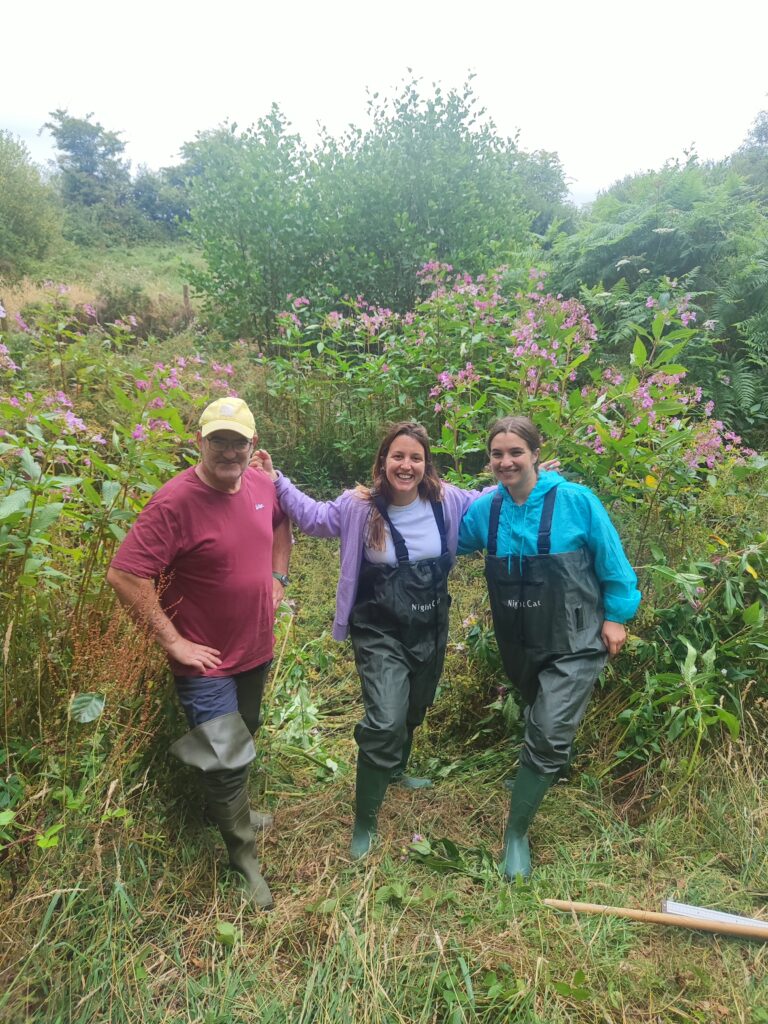
For our work, this wider context is very important. Removing a barrier can restore connectivity, but a river’s ecological response is also influenced by other pressures affecting the catchment.
By monitoring sites several years after barrier removal and combining habitat surveys with biological indicators, vegetation assessments and water-quality information, we aim to better understand how rivers respond over time and what factors influence their recovery. Also, understanding how landowners and local communities perceive barrier removal, and how they experience the changes afterwards, can help inform future restoration projects and support further efforts to improve connectivity in our rivers.