

Building knowledge and practical skills for connected rivers in Europe
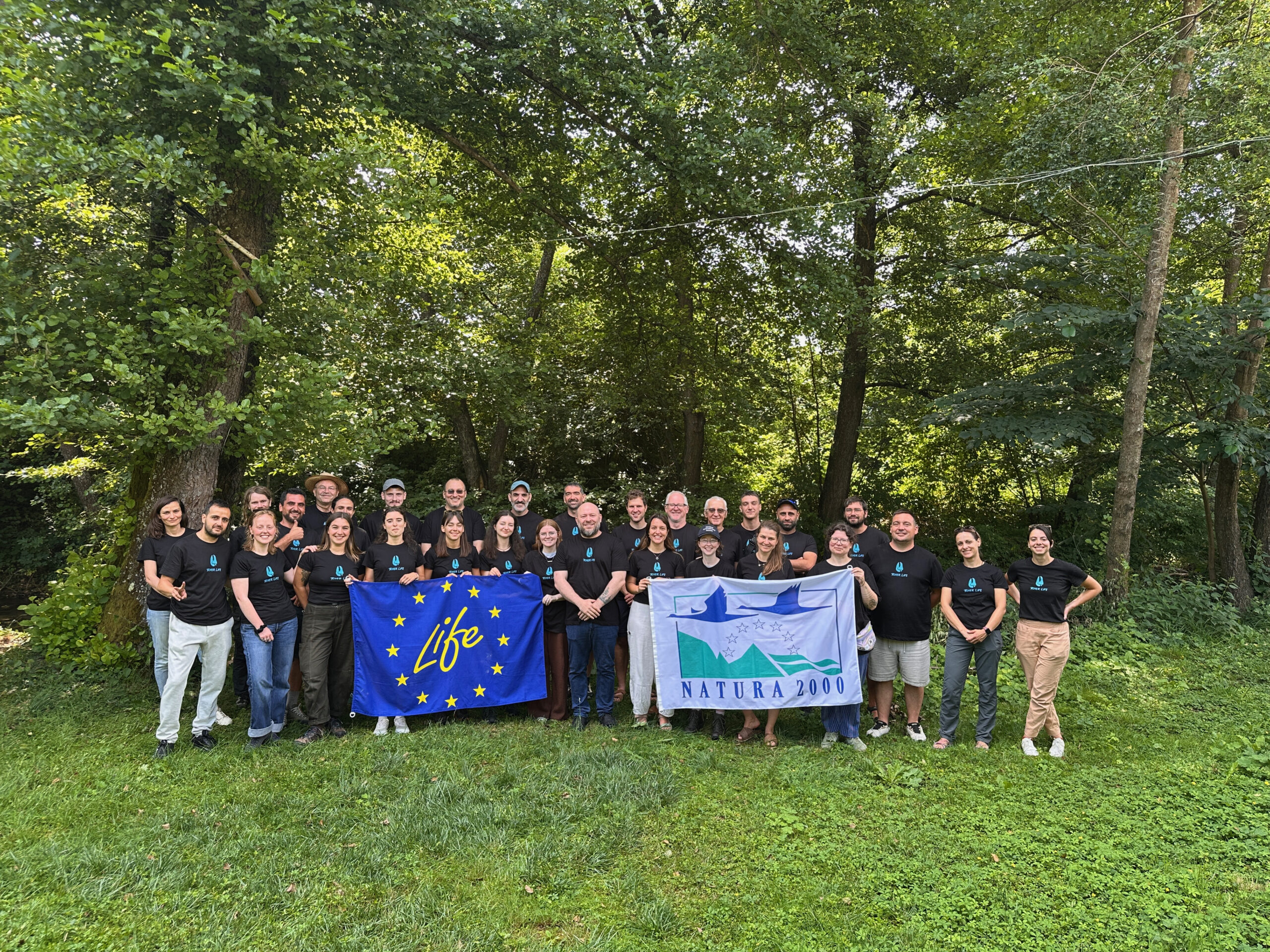
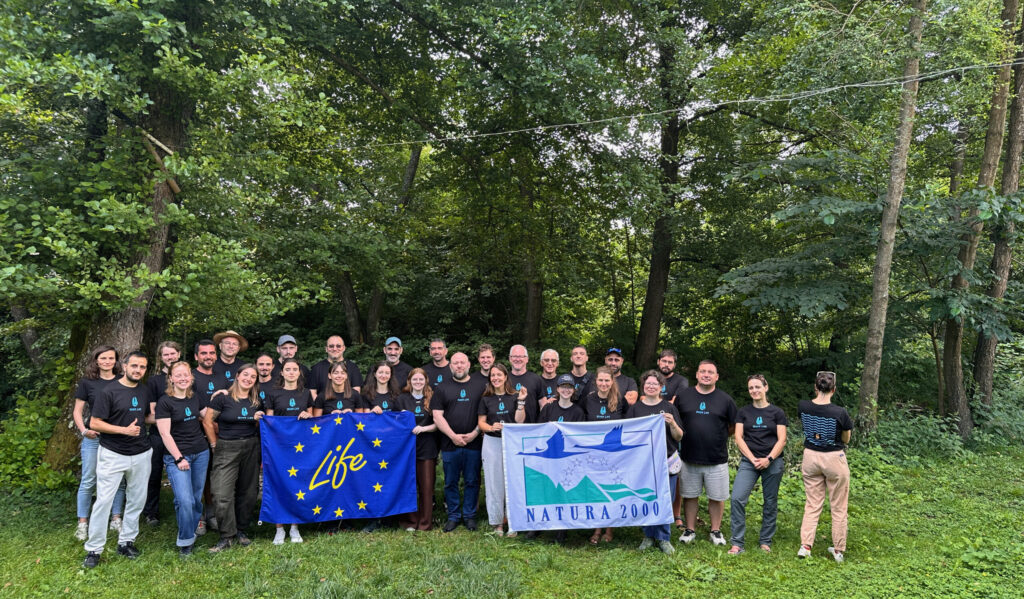
From 13–17 July 2026, researchers, practitioners and river restoration enthusiasts from Bulgaria and across Europe gathered for the Advanced Training Course on Restoration of River Connectivity, organised by Science for Nature and Blue Rivers Foundation under the RiverLIFE project (LIFE24-NAT-BG-RiverLIFE), co-funded by the LIFE Programme of the European Union.
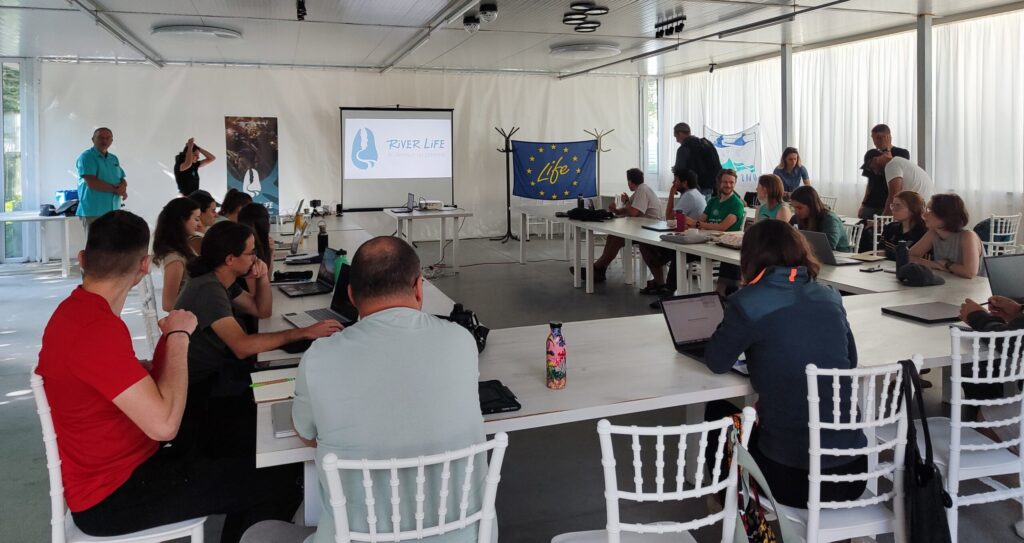
Set in the foothills of the Balkan Mountains, in the town of Kalofer, Bulgaria, the course combined expert lectures, interactive discussions, and hands-on fieldwork to strengthen participants’ knowledge of river connectivity restoration.
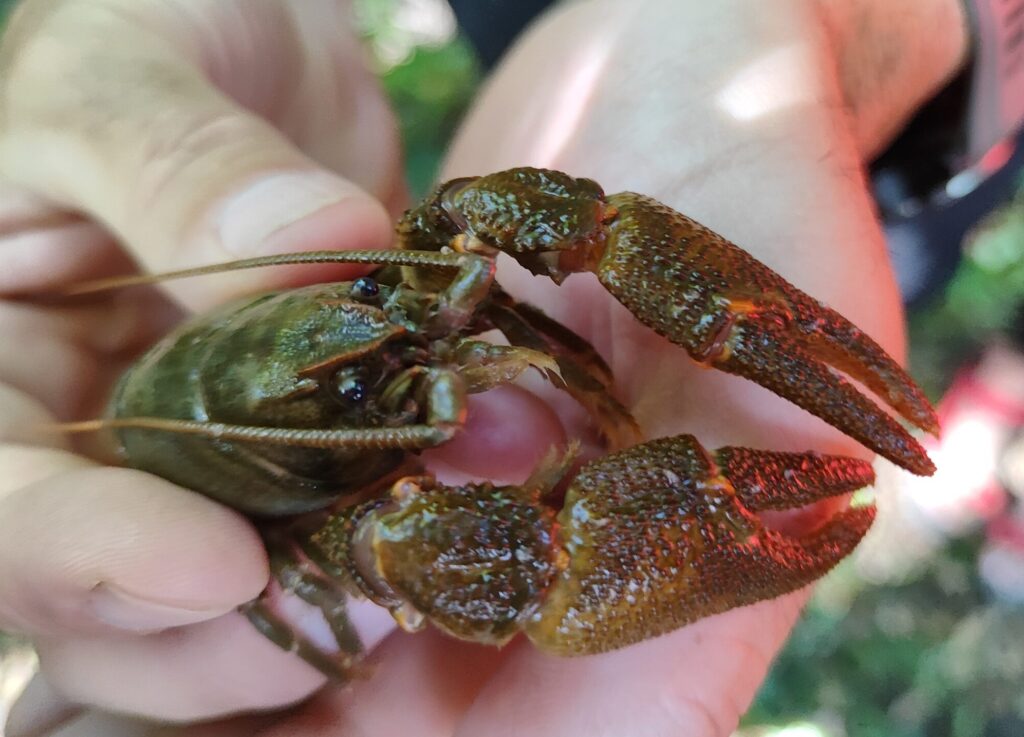
A particular focus of the RiverLIFE project is the stone crayfish (Austropotamobius torrentium), an endemic and endangered species whose populations are increasingly threatened by river fragmentation and habitat degradation.
Throughout the week, the course provided an excellent opportunity for participants to exchange experiences, learn from leading experts, and build practical skills for restoring healthier, better-connected rivers.
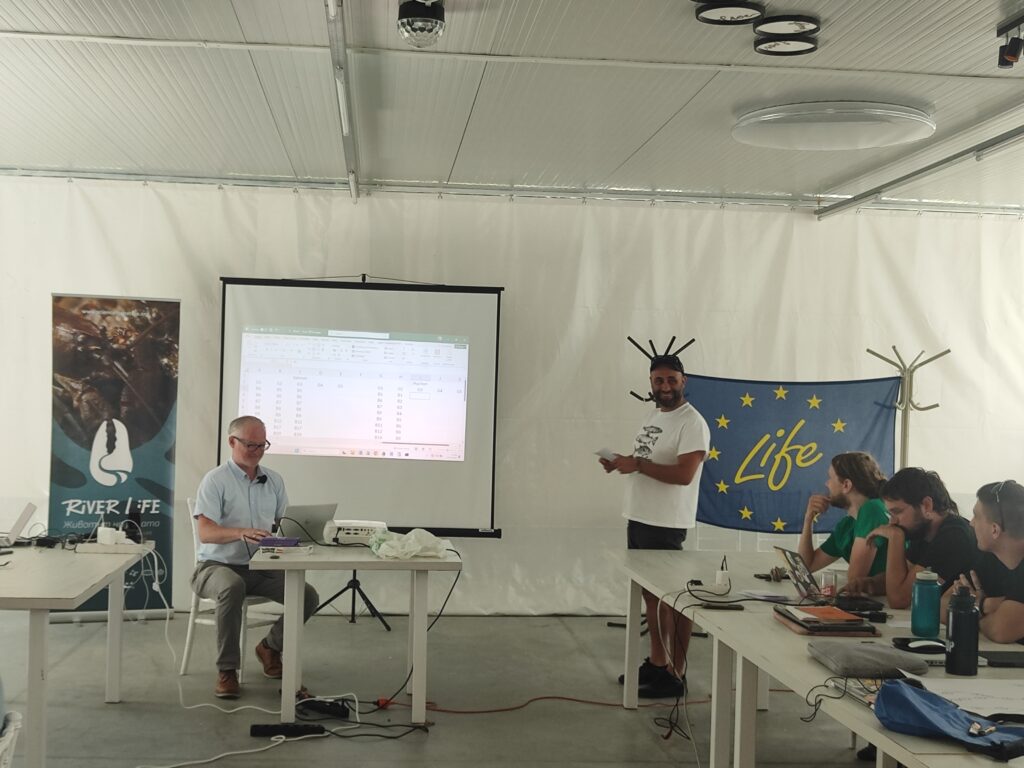
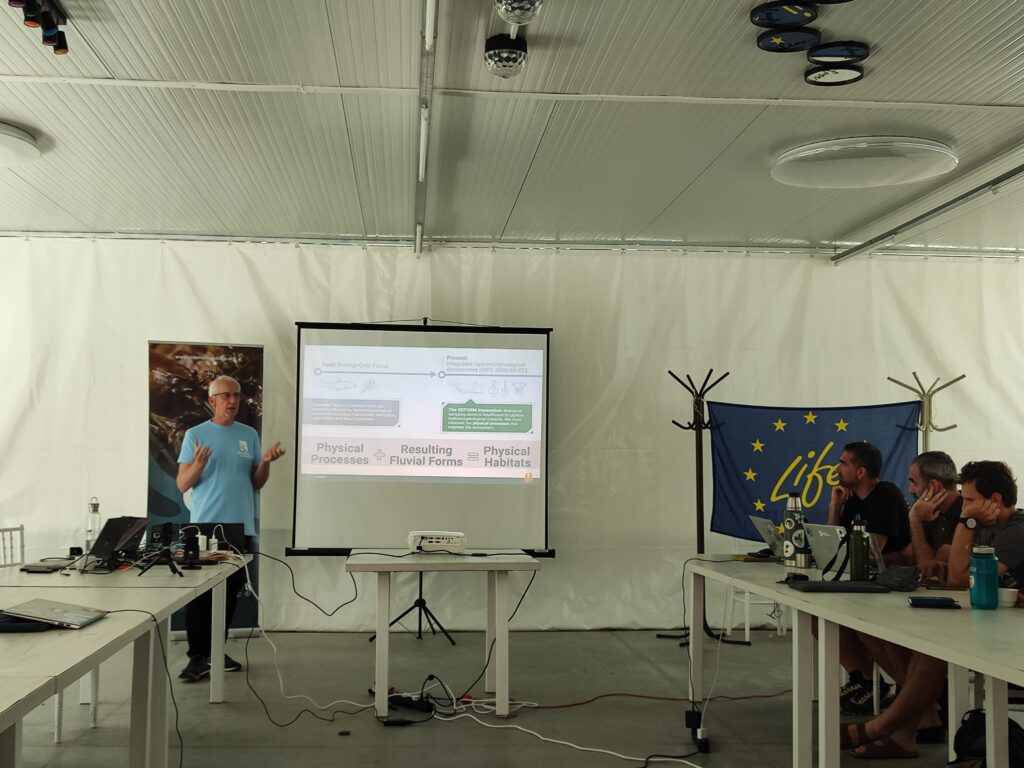
Expert sessions on river connectivity restoration
The programme covered a wide range of topics essential for planning and delivering effective river restoration projects, including:
- Barrier inventory and prioritisation, understanding how to identify artificial barriers, assess their impacts, and prioritise restoration actions where they will have the greatest ecological benefit.
- Restoration planning and decision-making, learning how scientific evidence and decision-support tools can guide effective and cost-efficient restoration strategies.
- Hydromorphological assessment, exploring river processes, habitat quality and physical characteristics, including the use of hydromesohabitat modelling in both field surveys and online modelling tools.
- River fragmentation impacts, exploring how barriers affect sediment transport, fish migration, ecological processes and biodiversity.
- Ecosystem services, understanding the many benefits healthy rivers provide to local communities, including clean water, flood protection, biodiversity, climate resilience, and cultural and spiritual values.
Participants learned from leading experts from the Blue Rivers Foundation, including Prof. Martin Pusch, Prof. Piotr Parasiewicz, Prof. Jesse O’Hanley, and Gilles Segura, who shared their expertise in river connectivity restoration, adaptive management, and freshwater ecosystem management.
River assessment in practice
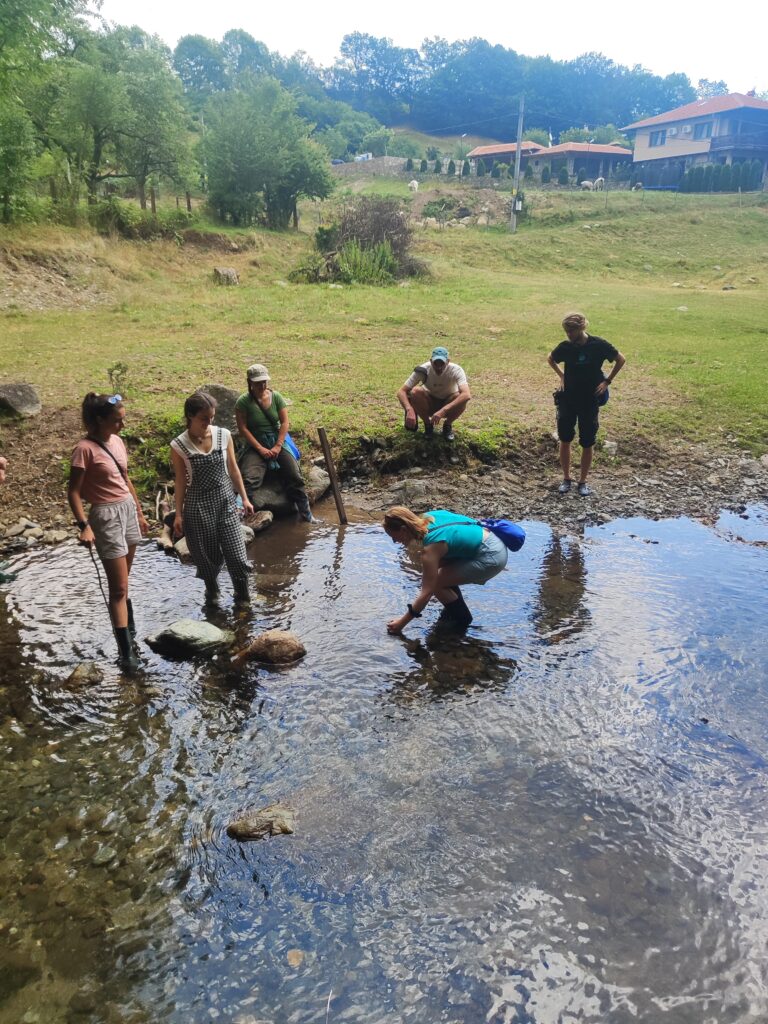
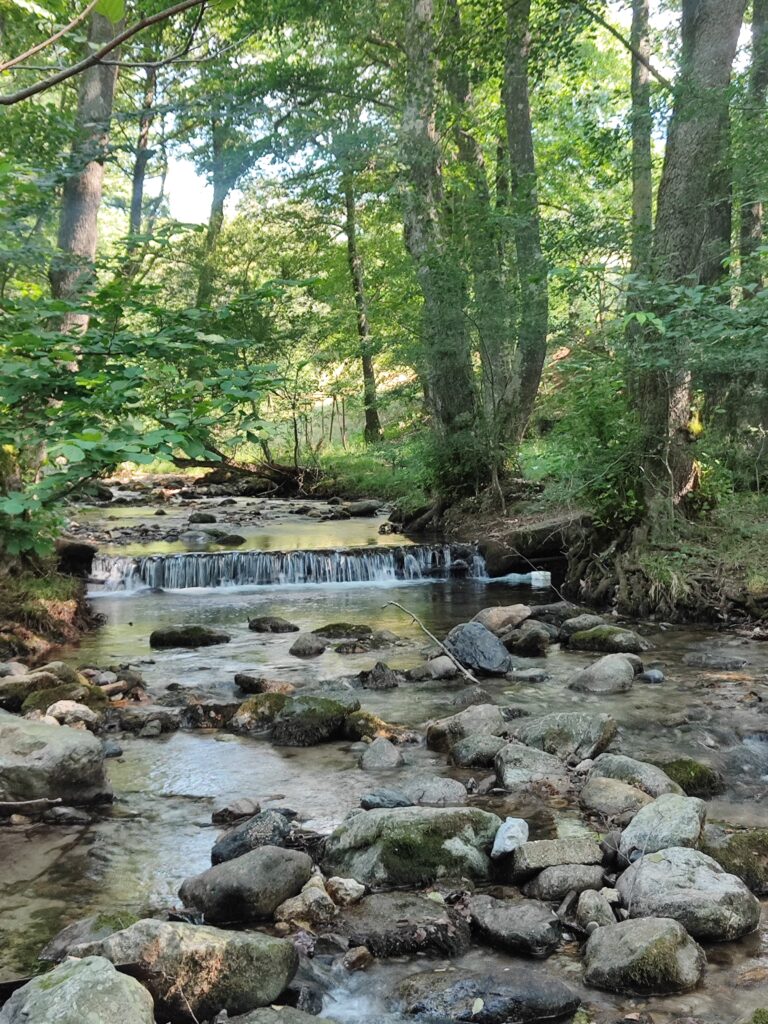
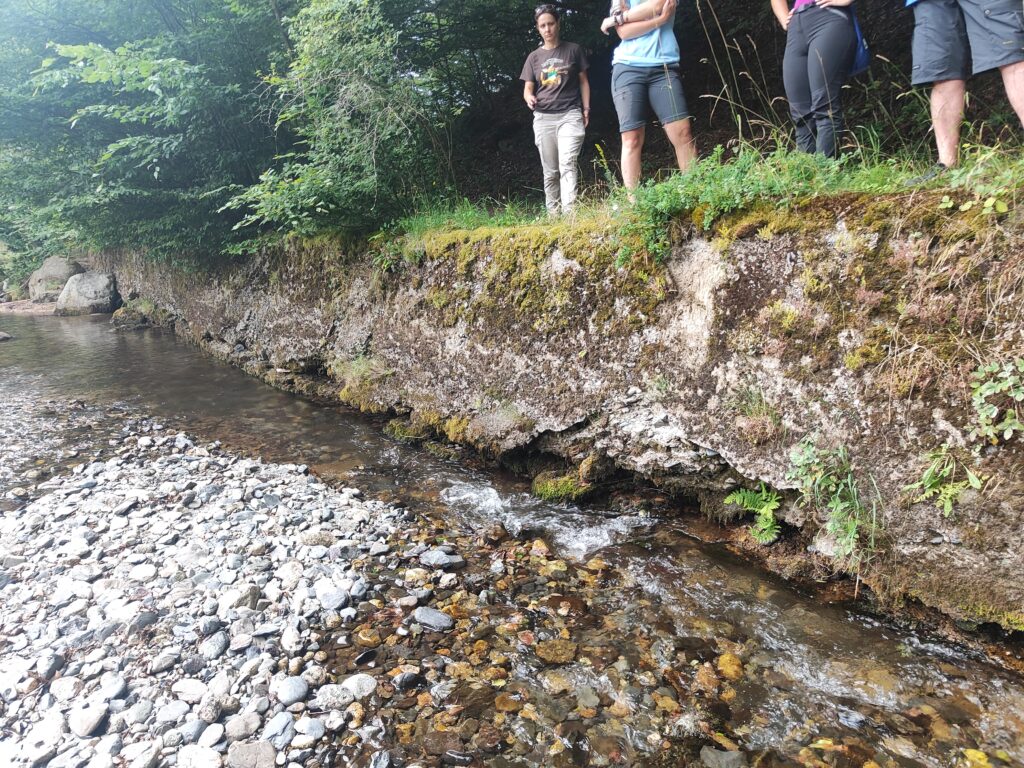
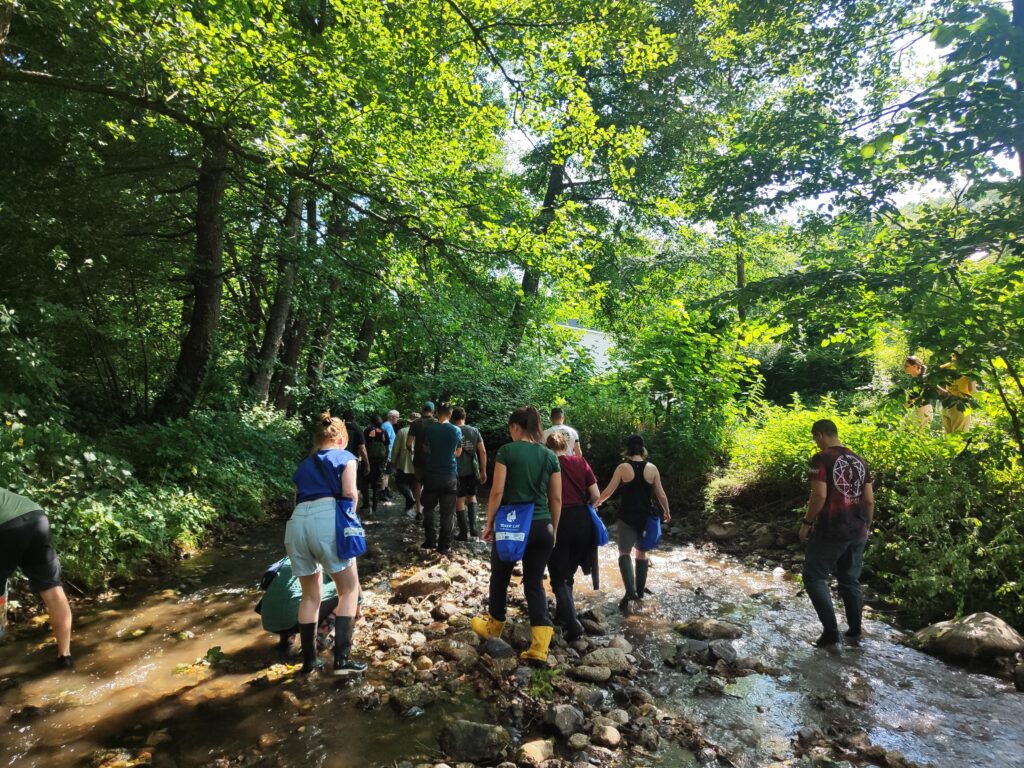
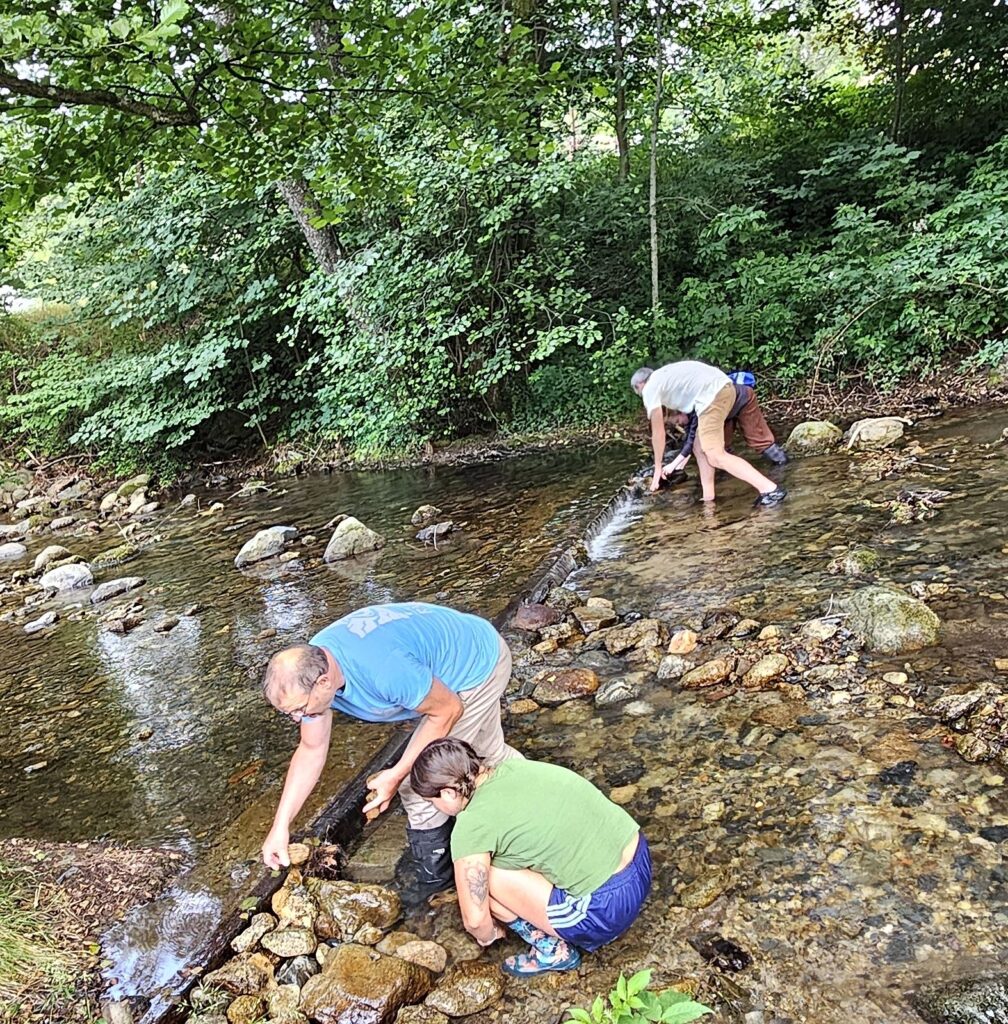
A key element of the course was practical fieldwork, where participants applied assessment methods directly in the river. During the sessions, participants explored river habitats, sediment dynamics and hydromorphological characteristics, while also learning how to assess connectivity and identify opportunities for restoration.
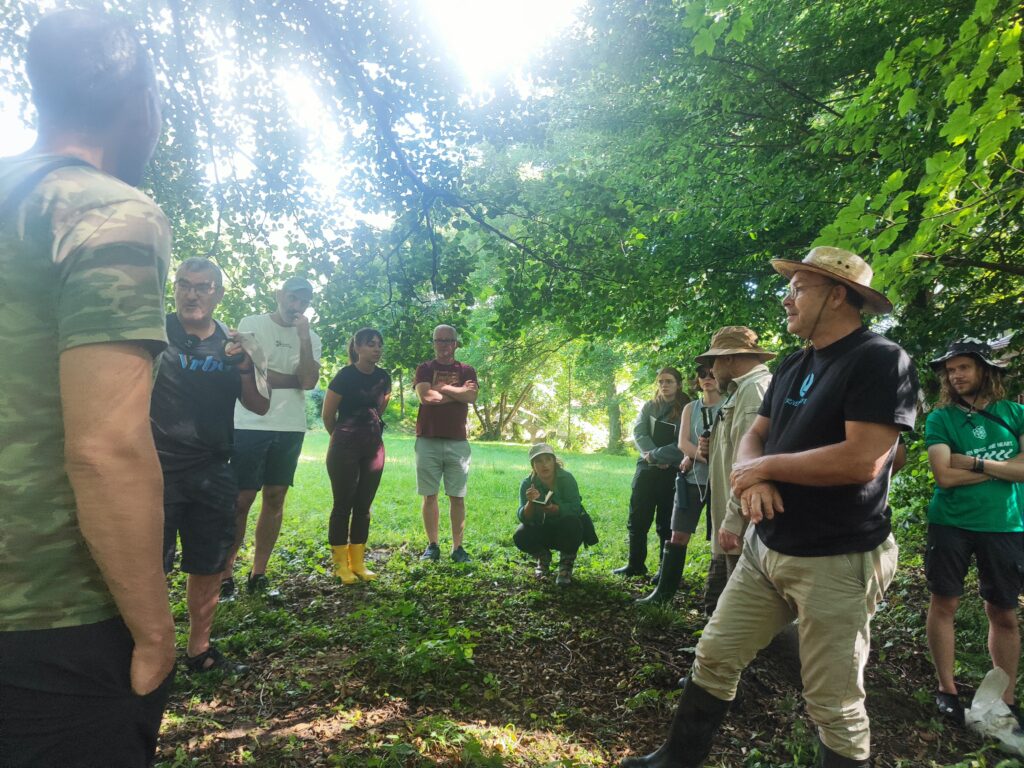
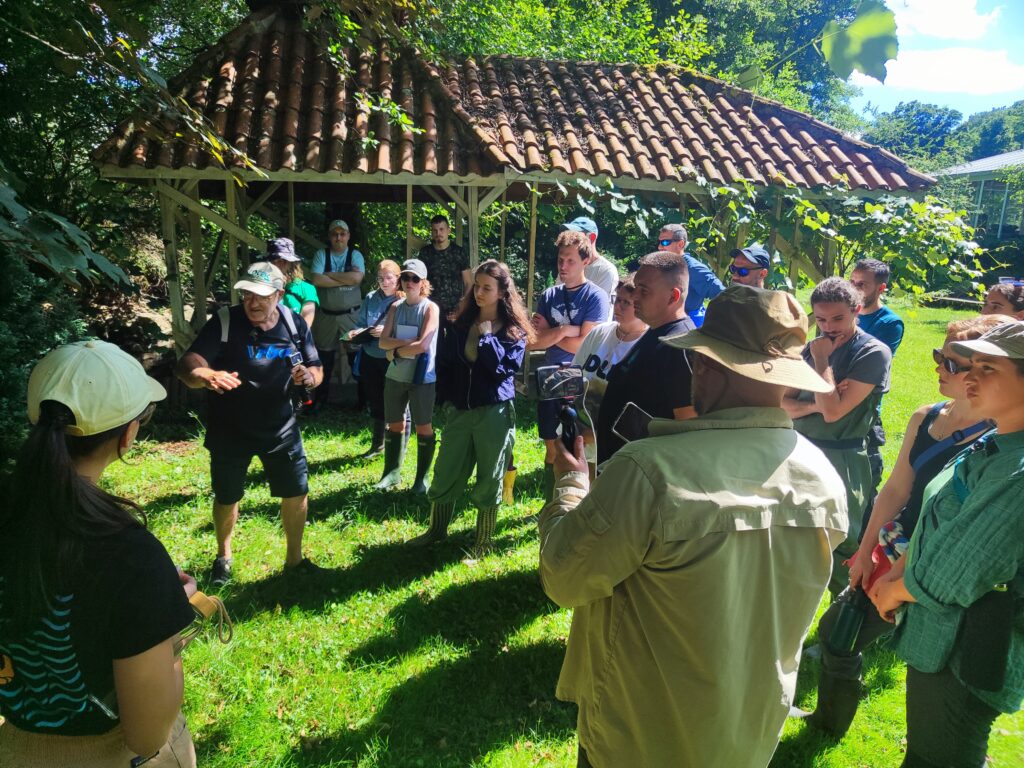
One of the field activities introduced participants to the AMBER Barrier Tracker, recently developed by Blue Rivers Foundation. Participants tested the latest version of the app by recording barriers in the field and exploring how high-quality data collection can support more effective river restoration across Europe.
Practical Exercise: Barrier Prioritisation
One of the highlights of the week was an interactive prioritisation exercise that demonstrated the complexities of restoration planning. Working in groups, participants were given a river network containing 20 barriers and a limited restoration budget. Their challenge was to decide which barriers should be removed or improved to maximise connectivity for two target species: Atlantic salmon, a diadromous fish, and Huchen, a potamodromous species.
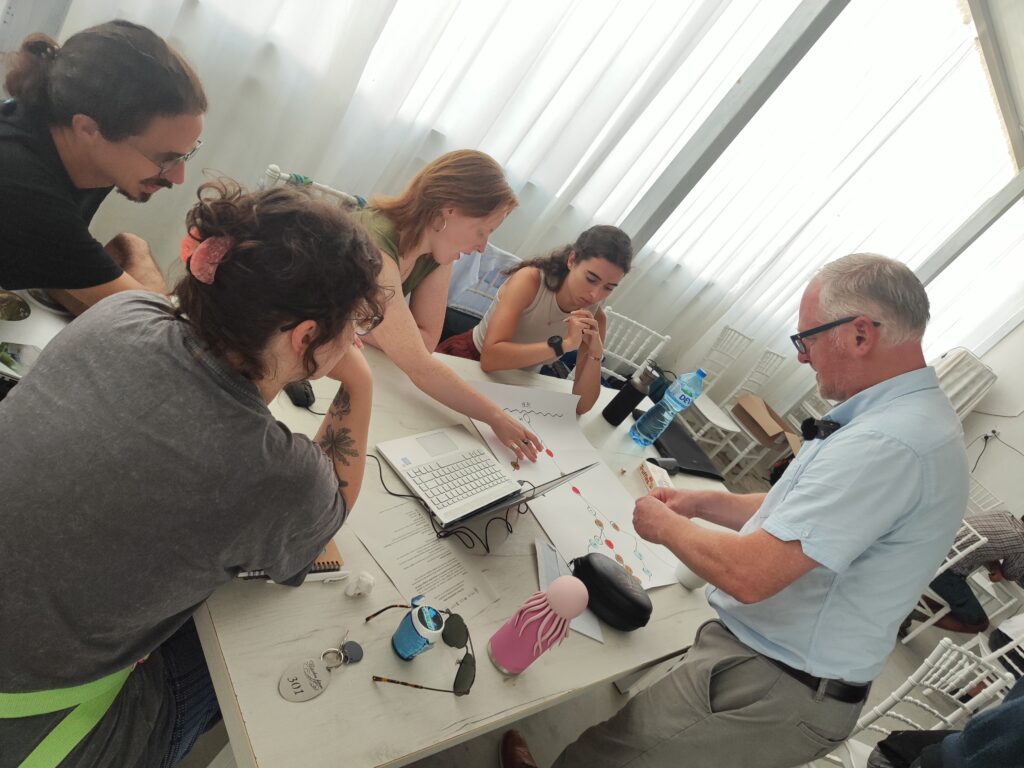
The exercise helped participants:
- Discover how optimisation methods can support evidence-based decision-making.
- Understand how the location, number and passability of barriers influence river connectivity.
- Explore the trade-offs between ecological benefits and restoration costs.
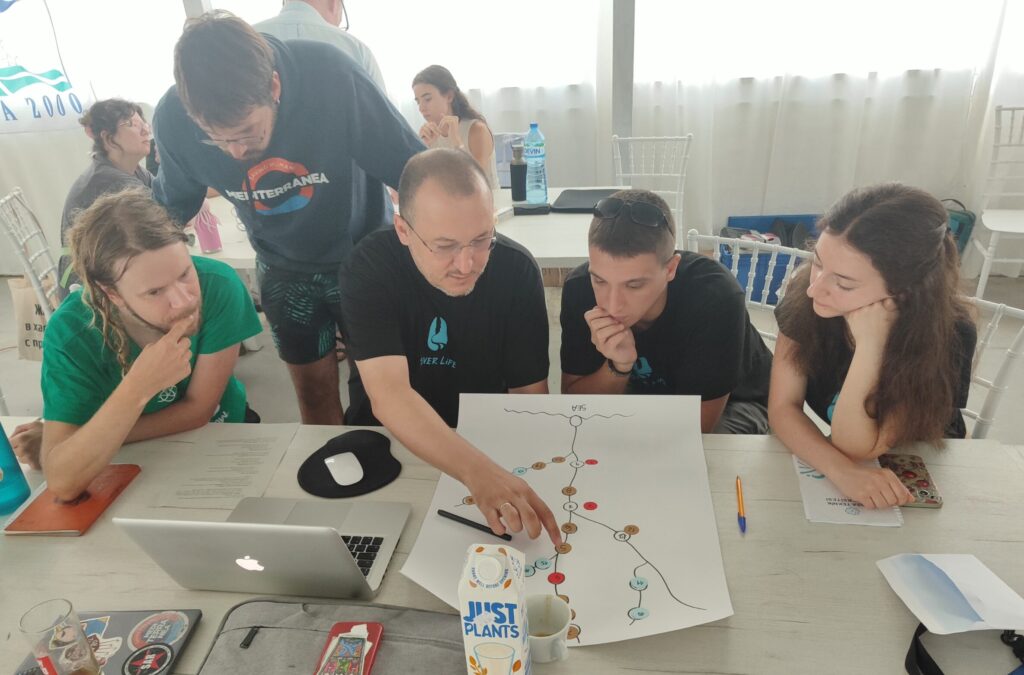
At the end of the exercise, each team’s strategy was compared with the mathematically optimal solution, providing an engaging demonstration of how optimisation tools can improve restoration planning.
Supporting Stone Crayfish connectivity
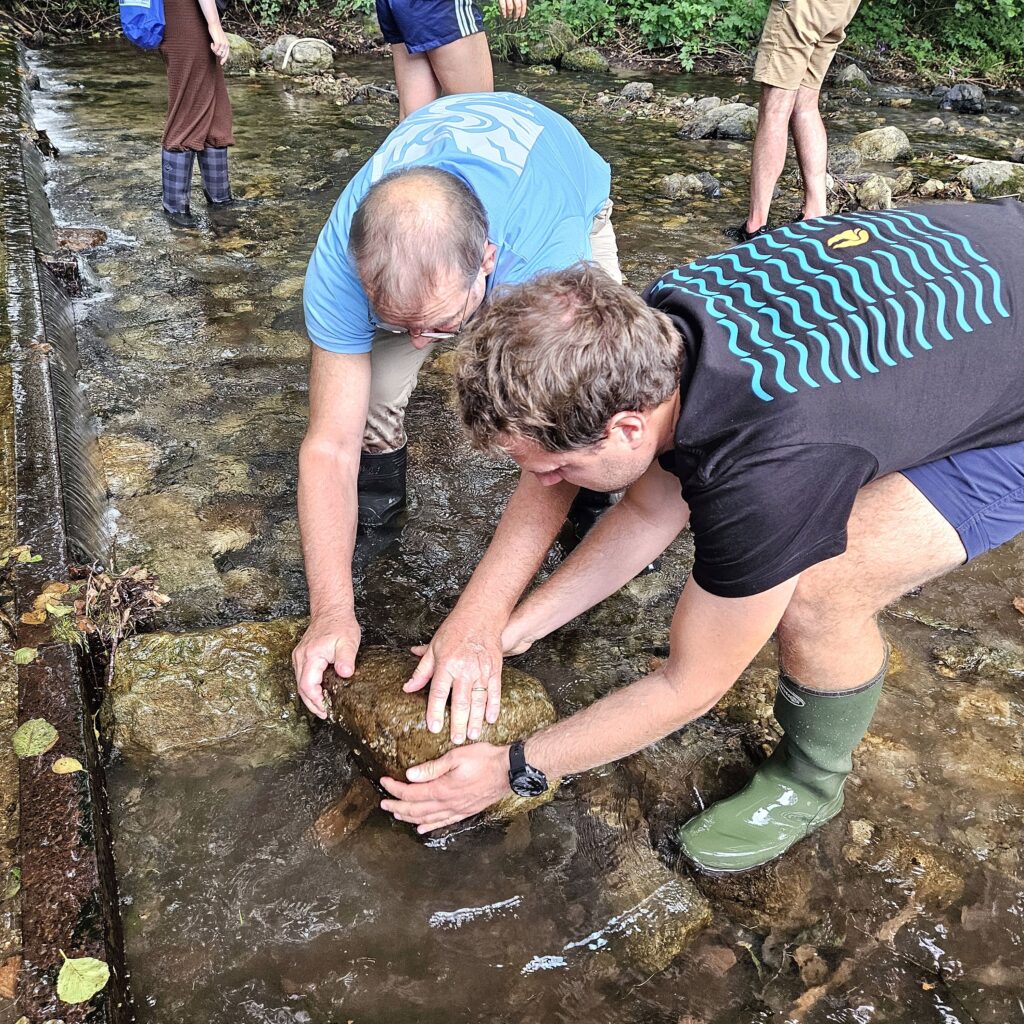
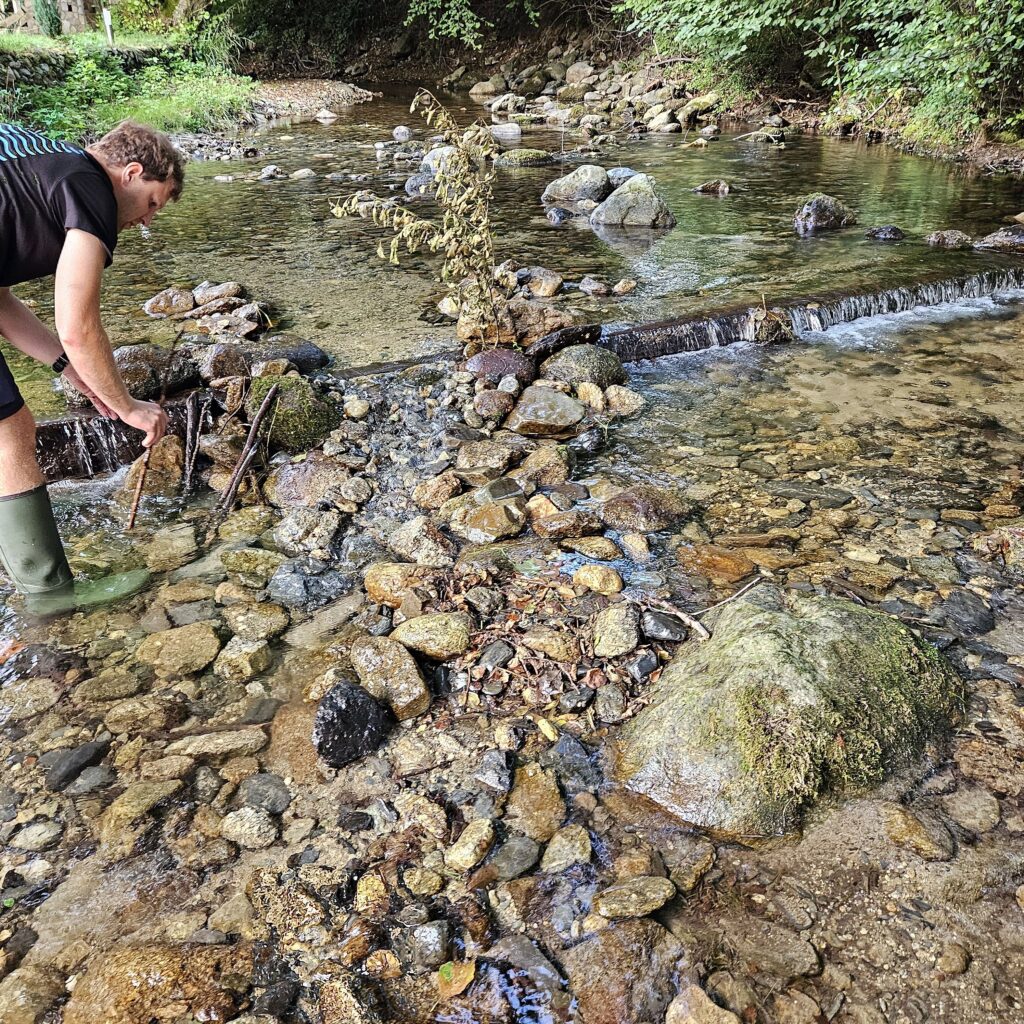
In addition, the course included practical conservation work focused on the project’s flagship species, the stone crayfish. Participants helped improve crayfish passage at a nearby barrier by constructing rock ramps and other nature-based structures designed to facilitate movement through the river. The activity provided valuable insight into how relatively small interventions can help reconnect habitats for freshwater species.
Strengthening collaboration for river restoration
While technical solutions are essential, participants also recognised that successful river restoration depends on collaboration between scientists, practitioners, water managers, policymakers and local communities to develop solutions that work for both people and nature.
Healthy, connected rivers deliver benefits far beyond improving fish passage. They support biodiversity, strengthen ecosystem resilience, improve water quality, reduce flood risks, and provide valuable ecosystem services that sustain the communities living alongside them.
For Blue Rivers Foundation, supporting knowledge exchange, strengthening professional capacity, and developing practical tools that help identify and overcome barriers remain central to our mission of restoring free-flowing, resilient rivers. We thank all participants and partners who contributed to making this training such a valuable opportunity for learning, collaboration, and inspiration.