

Protectors of Poland’s salmon river, and the latest news from the L4R project
The LIFE for RIVERS (L4R) project is moving forward on several fronts. Its focus is the Parsęta, a river in Poland’s West Pomeranian region that still has a stretch of around 55 km free of hydrotechnical barriers. Yet more than 100 dams were built in its basin in the past, and today its Atlantic salmon population is estimated at only 200–300 adults a year. Led by the Związek Miast i Gmin Dorzecza Parsęty (ZMiGDP), L4R aims to reverse this decline by removing barriers, restoring spawning grounds and reconnecting the river with its valley.
But restoring a river is not only a job for engineers and scientists. It also takes people working on the riverbank, day in and day out. That is where the Parsęta Rangers come in.
The Parsęta Rangers: guardians of the river
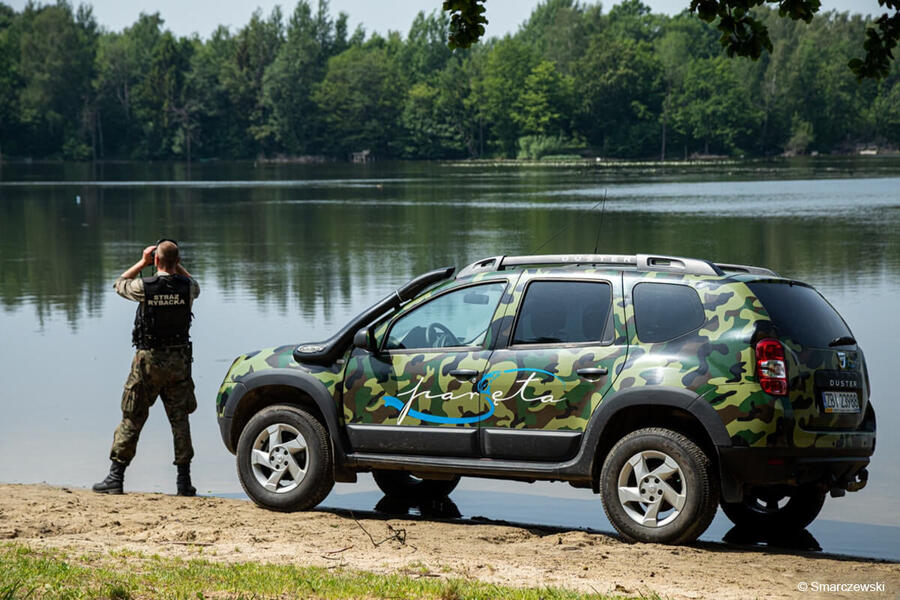
Patrols along the banks, drones overhead and sensors in the water: meet the Parsęta Rangers (Strażnicy Parsęty), a team of four professional wardens and 25 volunteers who help protect the river and its wildlife.
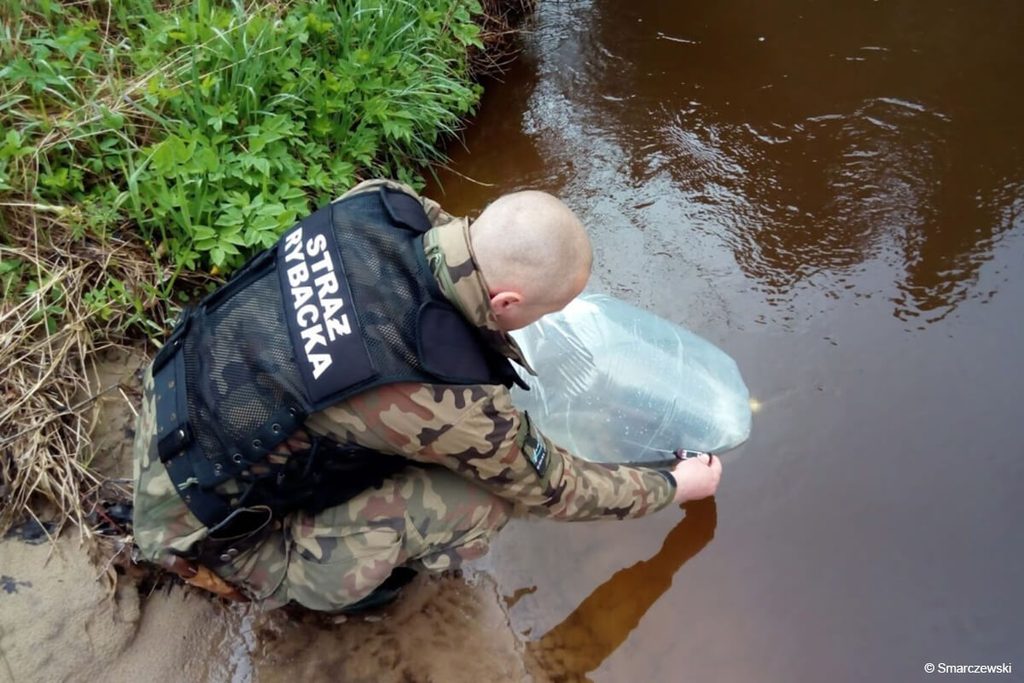
At the heart of their work is the Community Fisheries Guard, the Rangers’ anti-poaching unit. Poachers target the places where fish are most vulnerable: spawning grounds, where salmon and sea trout need undisturbed conditions to reproduce. The Rangers focus their efforts there, working alongside the State Fisheries Guard to respond to threats ranging from nets stretched across the channel to poaching directly on spawning grounds. They check fishing permits, gear and catches, and their work carries the same legal status as that of public officials. Sometimes a warning is enough; other cases end up in court.
“A river is a living organism, full of life, mysteries, and remarkable inhabitants.”
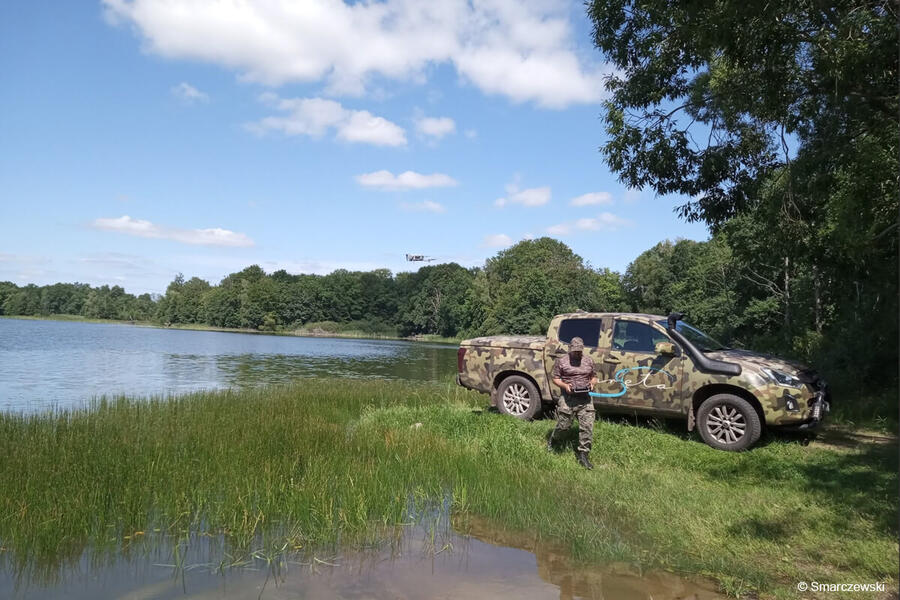
Poaching is only one of the threats they tackle. The Rangers also help protect fragile riverbanks by directing kayakers and campers to designated areas, and report sewage spills, illegal dumping and invasive species. Sensors monitor water levels and quality in areas under pressure from farming or tourism. Data are shared directly with ZMiGDP, the Regional Directorate for Environmental Protection in Szczecin and Polish Waters, helping the relevant authorities respond to problems quickly.
Where the Parsęta will run free again
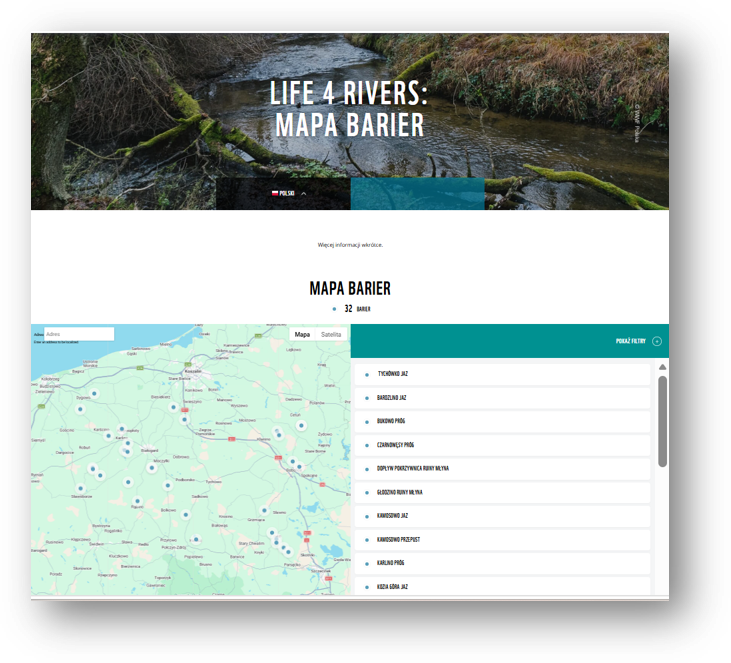
Over the seven years of the project, L4R will address 32 sites across the basin, including old weirs and dams, mill ruins, small hydropower plants and straightened river stretches. Depending on the site, the work will involve removing barriers, improving fish passage or restoring more natural river conditions. Our partner WWF Poland, which leads communication for the project, has published an interactive renaturation map where everyone can follow progress, site by site.
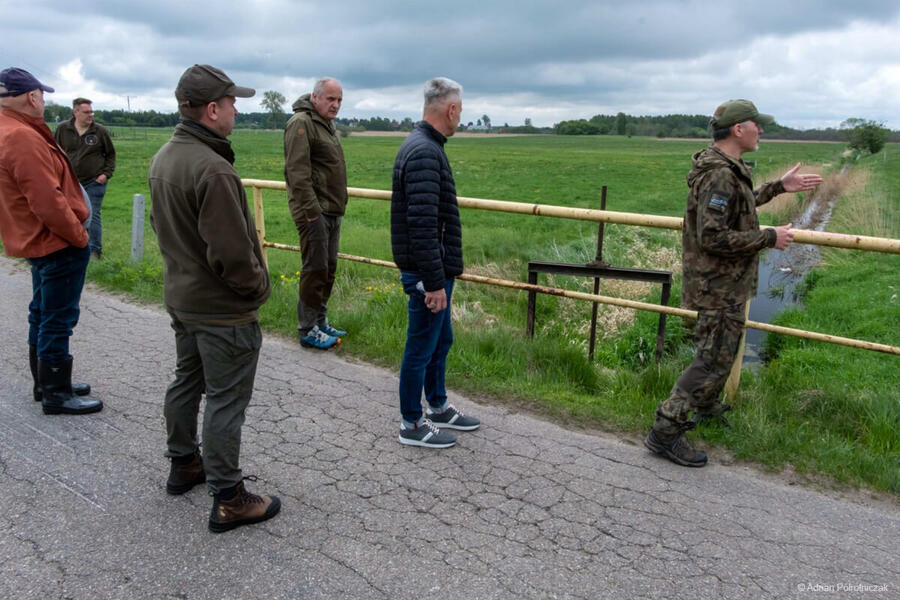
On 20–21 May 2026, project partners gathered at Luboradza Pomeranian Manor for the official launch conference. Our colleague Piotr Parasiewicz from BRF joined representatives of local governments, research institutions, NGOs and water managers to discuss the project’s ambitions as part of what partners called the Parsęta River Coalition. After the conference, the group visited the river’s upper reaches, where it remains almost wild, to explore potential restoration sites. Plans include removing artificial barriers, recreating natural rapids, adding large wood to the channel and restoring riparian vegetation.
The next steps for the Parsęta
The coming months will bring L4R closer to on-the-ground restoration. Preparations are underway for work on the first barriers, alongside the restoration of spawning grounds in the Parsęta and its two main tributaries, the Radew and the Dębnica. Further work will aim to reconnect cut-off oxbow lakes, restore wetlands and riparian forests, and monitor how the river responds to these changes.
The project will also bring the story of the people protecting the Parsęta to a wider audience. A short film about the Rangers is in preparation and will be followed by a social media campaign. As barrier removals get underway, we’ll share videos from the river and introduce the people helping to bring it back to life.
With the Parsęta Rangers continuing to protect the river, the next step is to start restoring its natural flow. Over the coming years, L4R will work to remove barriers, reconnect habitats, and help the Parsęta become a free-flowing river again.