


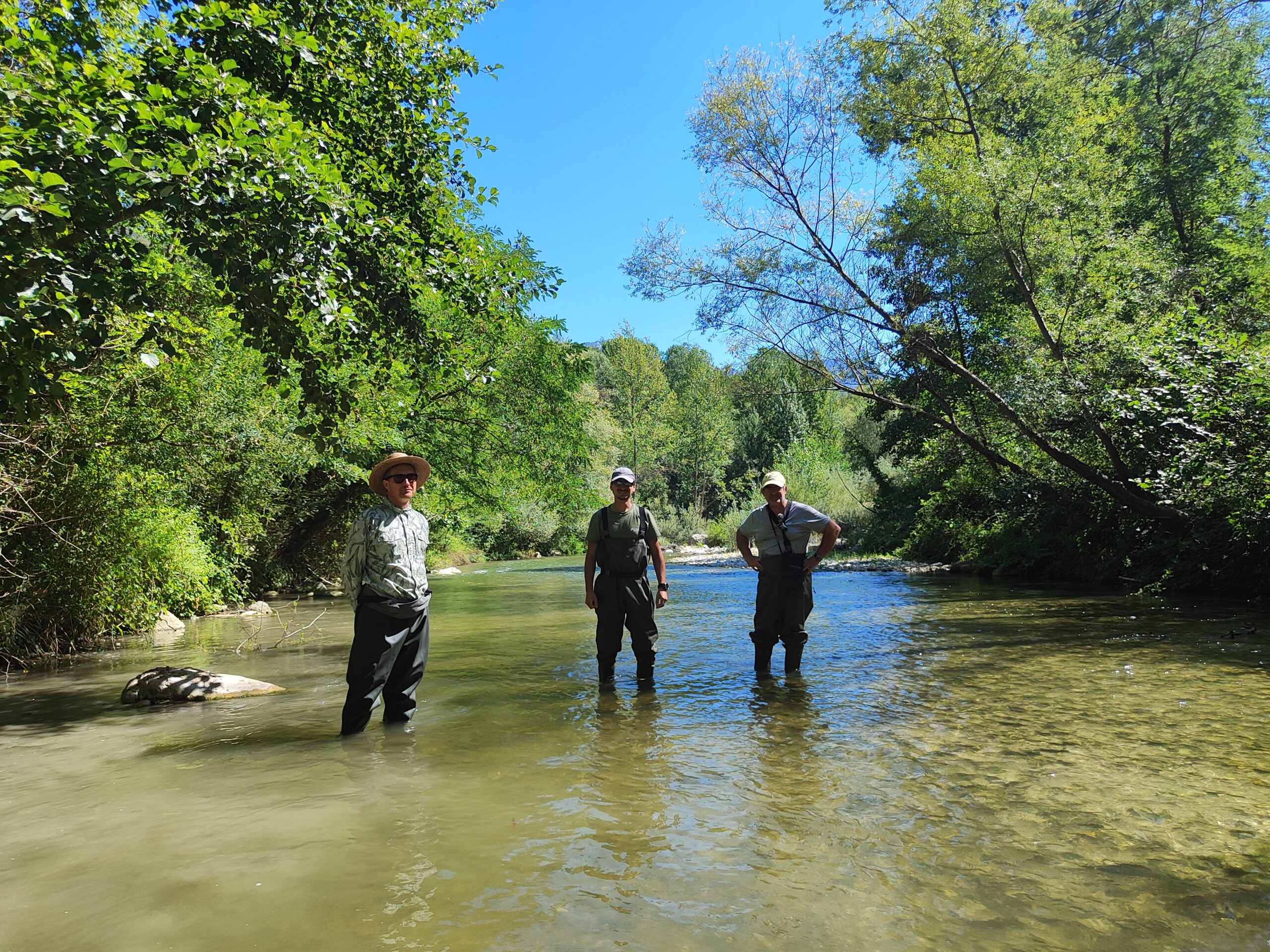
Assessing the Liri and Giovenco rivers in the heart of Abruzzo
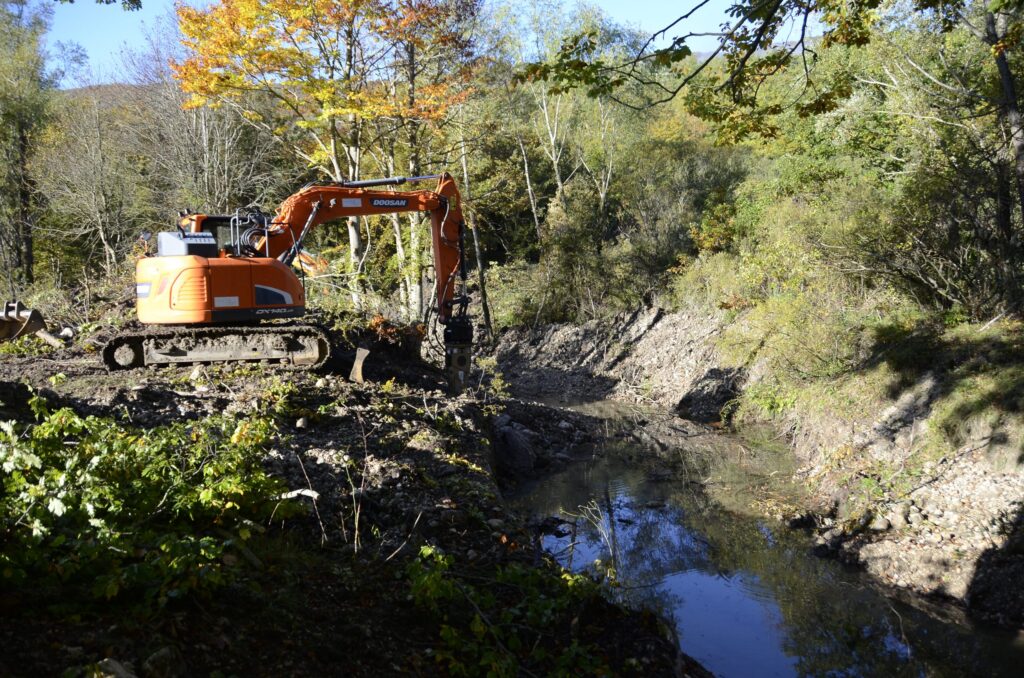
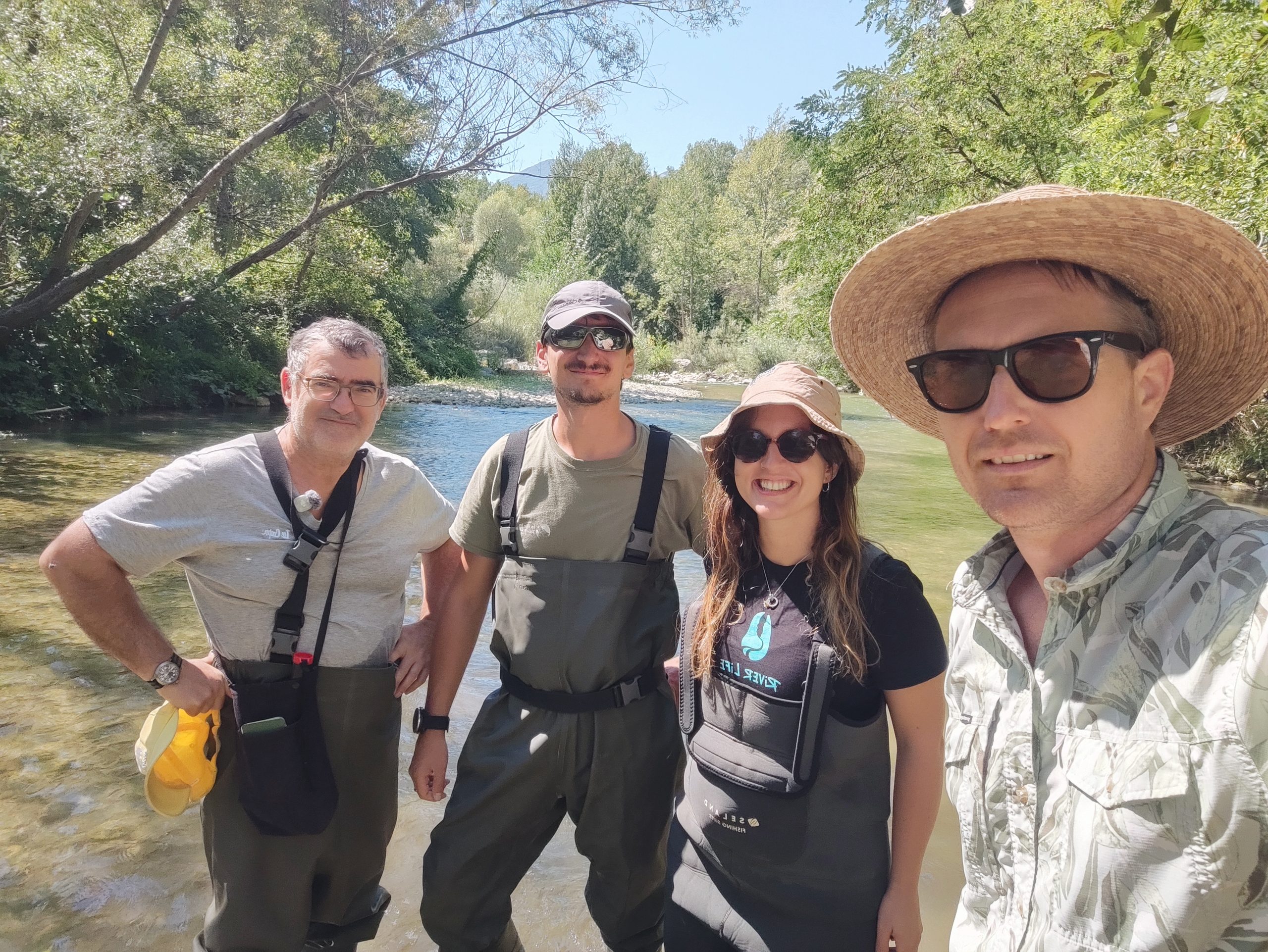
The last fieldwork visit of the summer for our barrier removal impact study took our team to central Italy, where we visited two rivers in the Apennines to see how they are responding after barrier removal. Here, Rewilding Apennines has been removing obsolete barriers from the Liri and Giovenco rivers, with both projects funded by the European Open Rivers Programme (ORP)
As part of our ORP-funded study on the impacts of small barrier removal, we visited both sites to look at what happens after a barrier is gone and how rivers begin to adjust.
The Liri: reconnecting a river with its valley
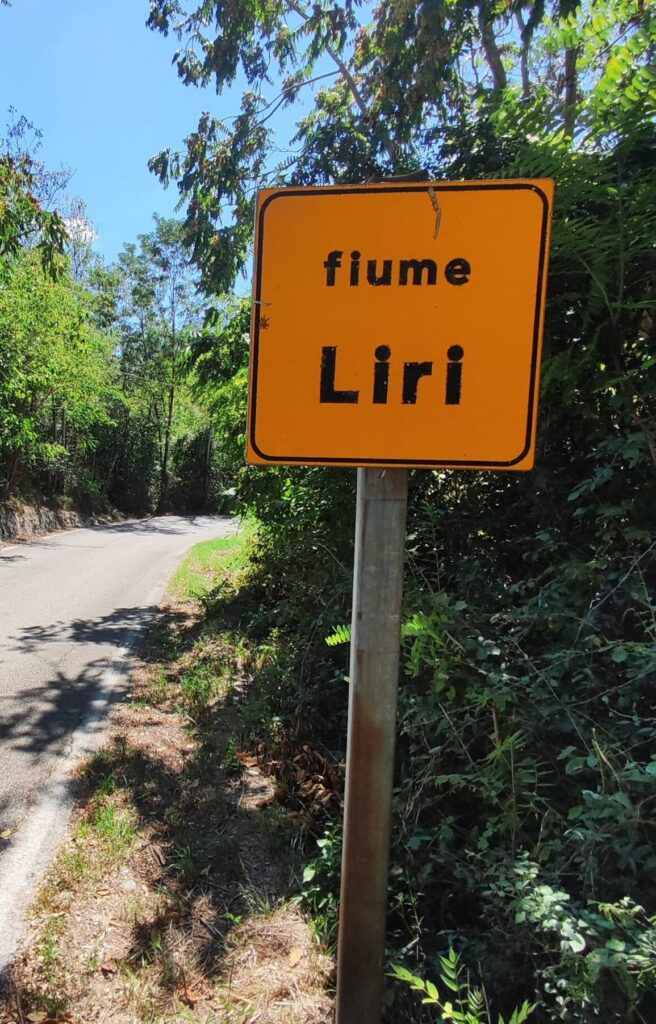
The Liri River has been shaped by people for centuries. From the Roman drainage of Lake Fucino to modern hydropower infrastructure, human interventions have changed the river and its valley. One of the most recent changes was the removal of the Cesapresa weir in 2025. The 4-metre-high, 30-metre-wide structure was removed to restore river connectivity and reopen around 10 km of river.
The site sits in the Roveto Valley, which connects the Abruzzo, Lazio and Molise National Park with the Simbruini Mountains Regional Park. The river is an important part of this landscape, including for species such as the Eurasian otter and the Marsican brown bear.
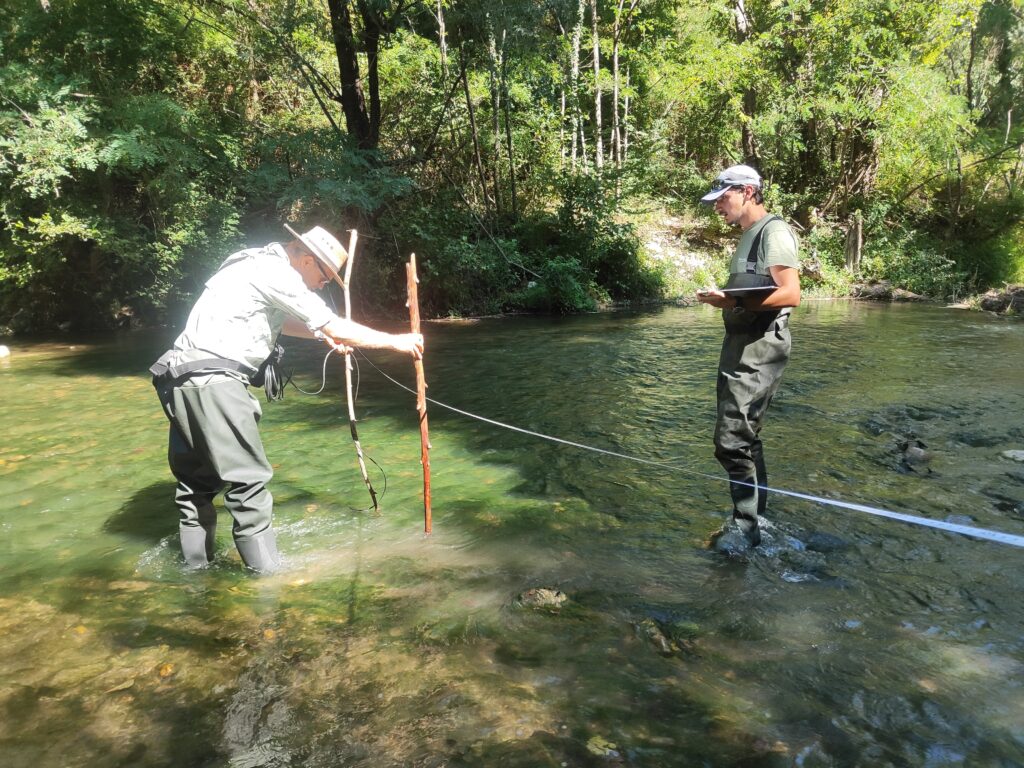
Our monitoring looked at hydromorphology, sediment dynamics, vegetation, habitats, and aquatic communities. The river already showed a great variety of habitats, while we could see sediments adjusting and the channel responding after the removal.
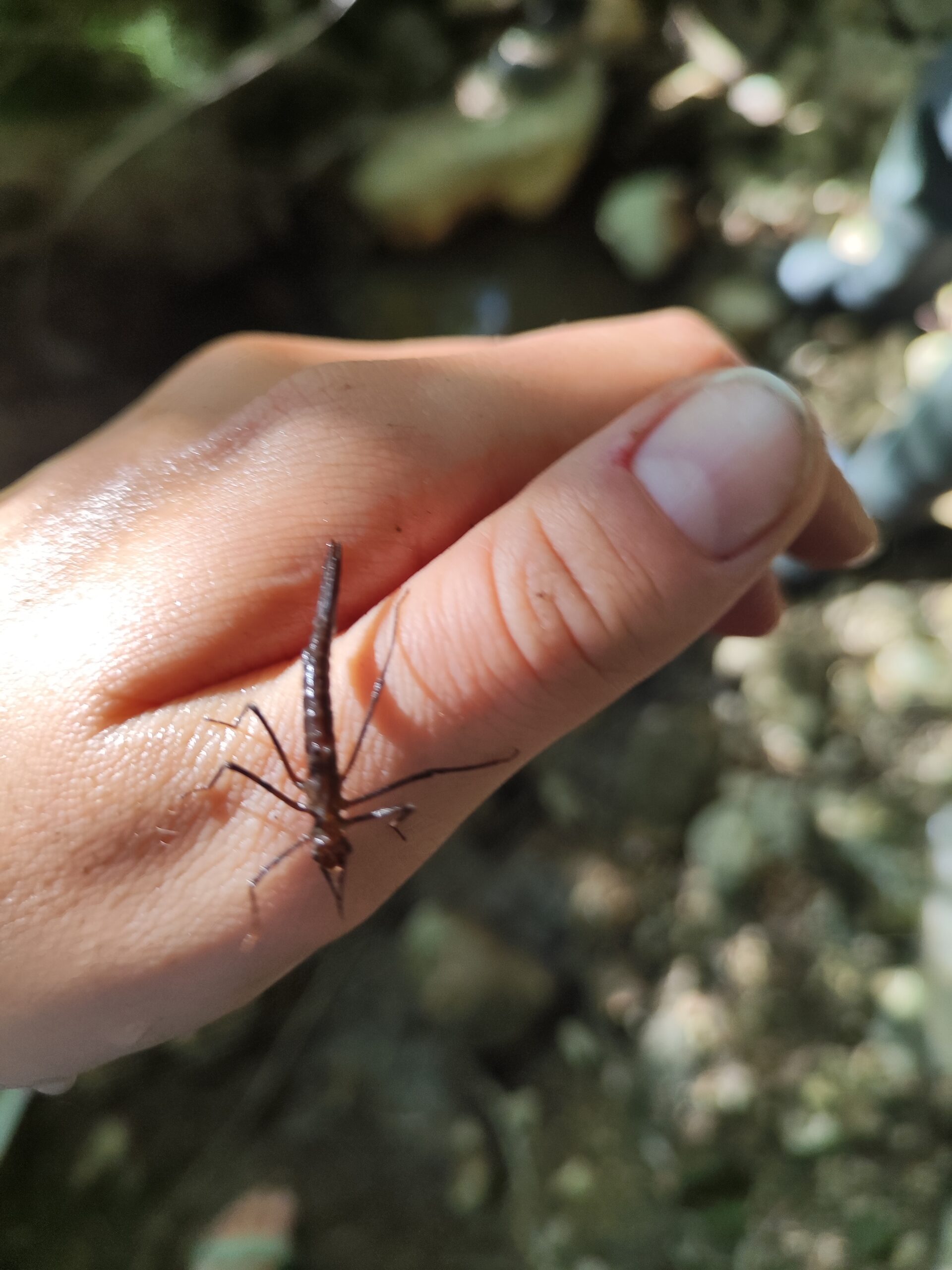
Macroinvertebrate sampling found a diverse community, including large numbers of Baetidae mayflies, Ephemera, and several species of dragonflies and damselflies. We also observed many brown trout upstream of the former barrier.
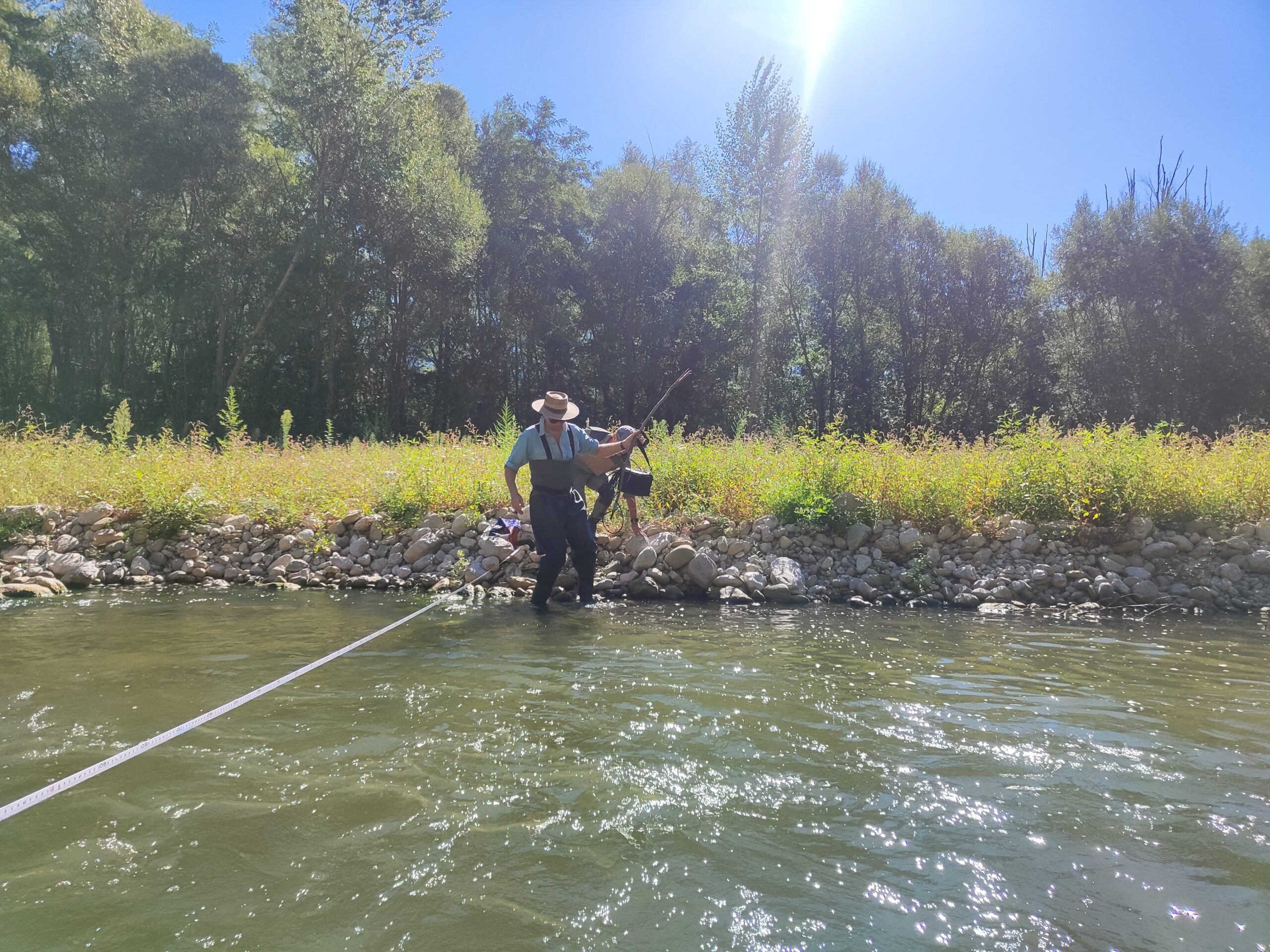
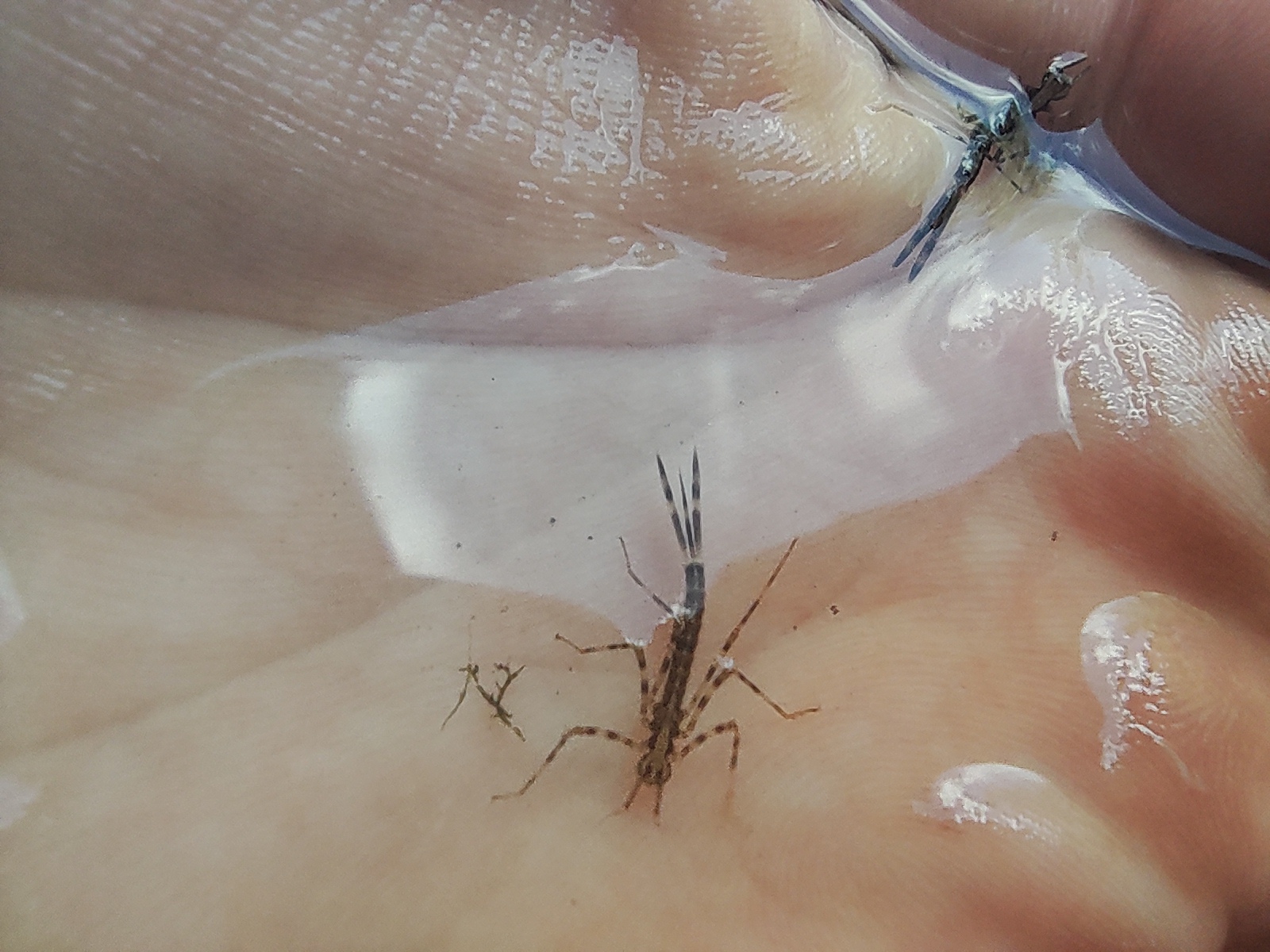
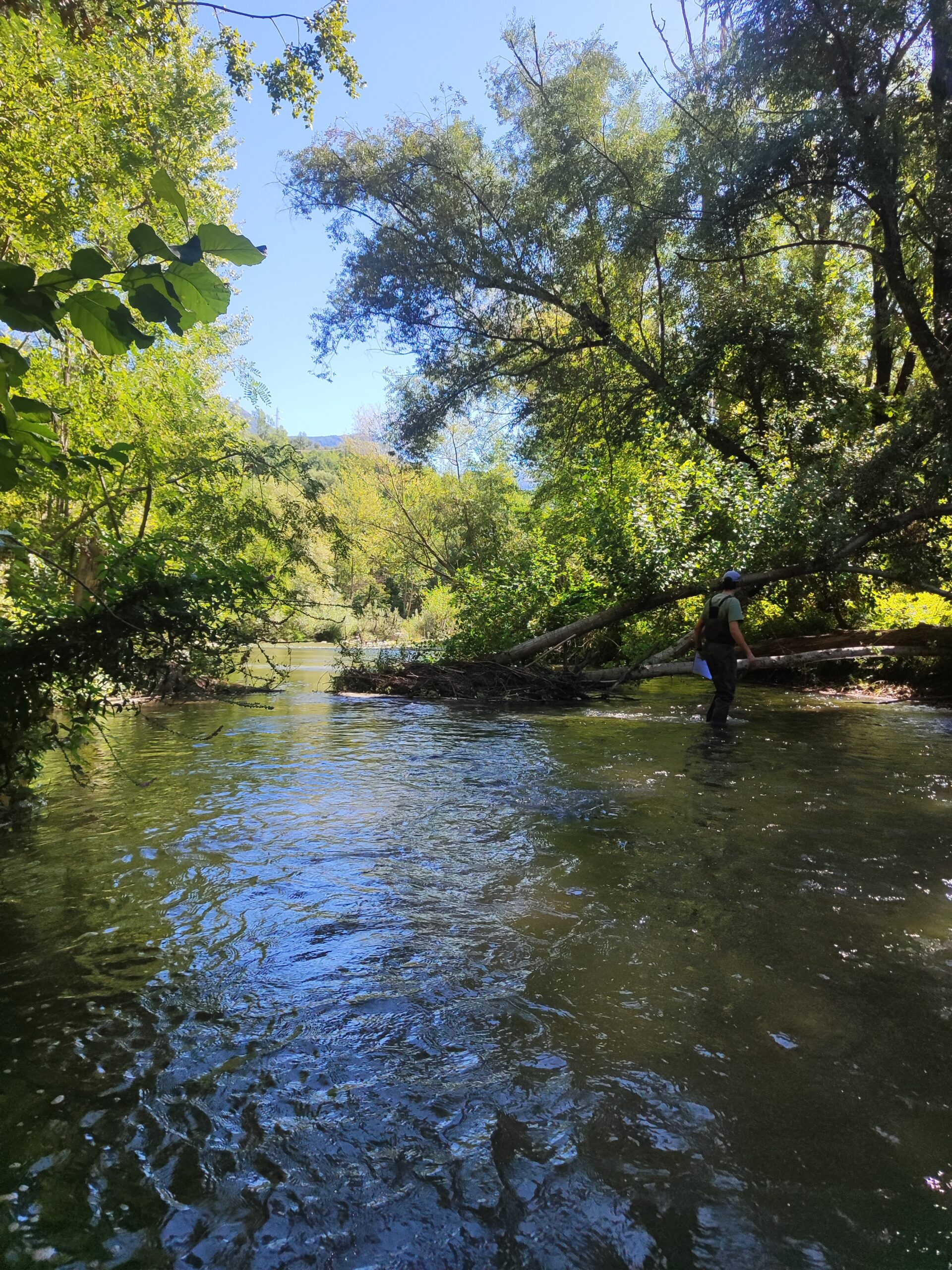
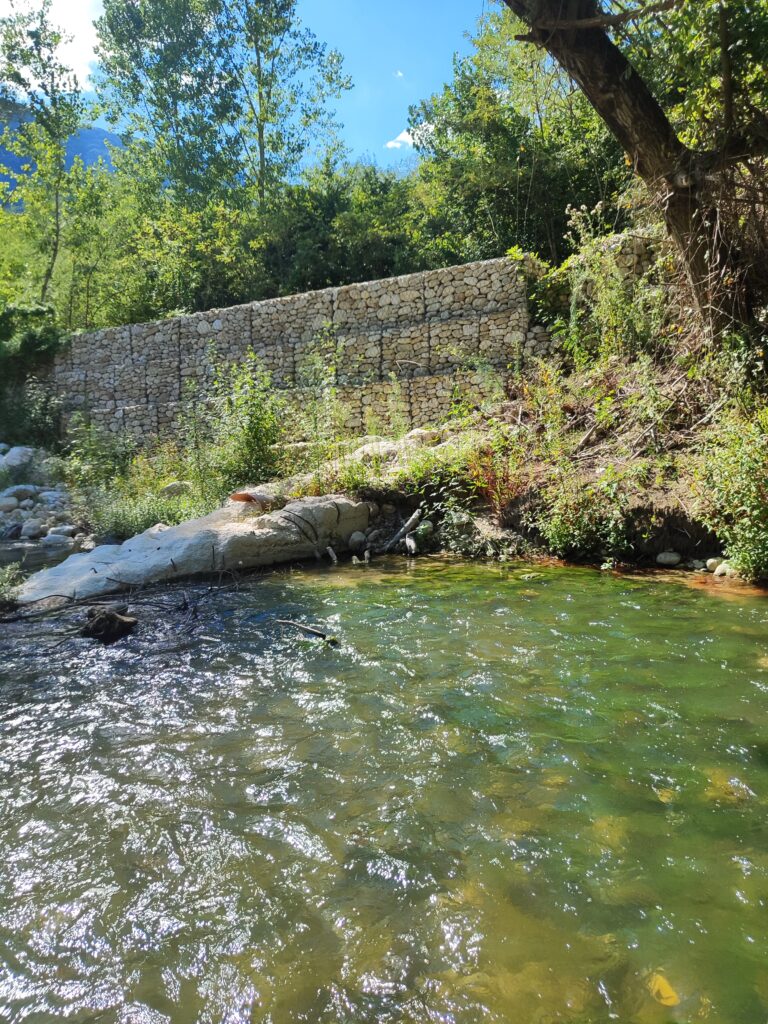
The river is still adjusting to the removal. A gabion revetment has been installed along the right bank to protect it from erosion, while the channel continues to respond to the change in flow and sediment dynamics.
These changes are part of the river’s ongoing recovery, and we are also interested in how they are perceived by the people who live around it. Through social surveys and interviews, we are exploring local views on the removal and the changes that have followed.
Giov&Go: freeing the Giovenco
A short distance away, the Giovenco River flows through the Abruzzo, Lazio and Molise National Park. Its mountain stretch remains relatively natural, with continuous riparian vegetation along much of the river. But a series of small dams and weirs had accumulated along the river over time, no longer serving a purpose.
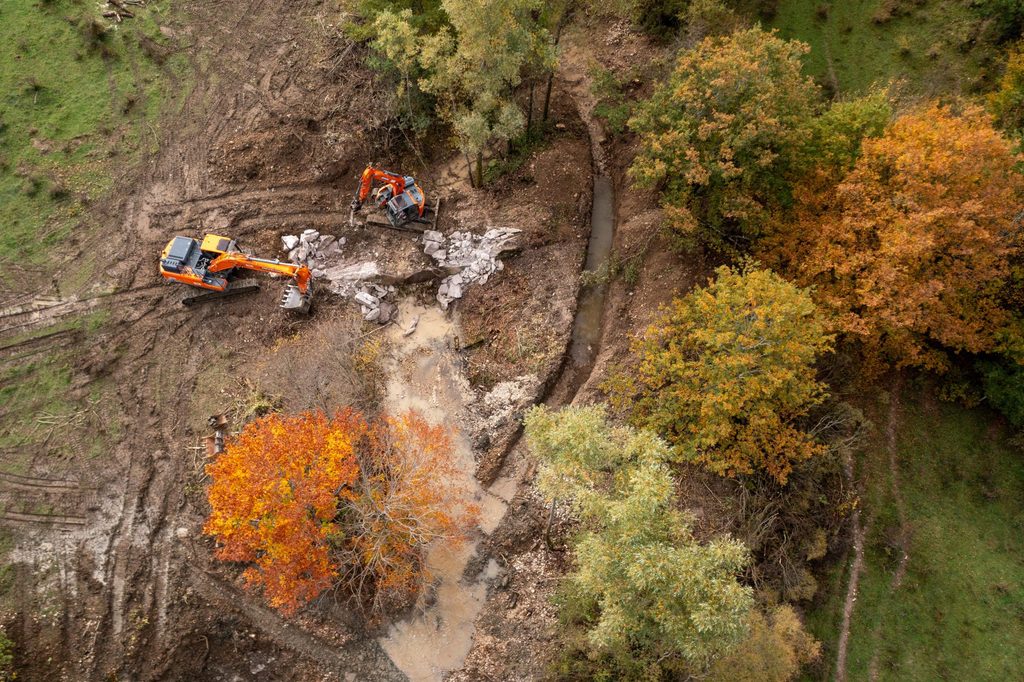
The “Giov&Go: Free Flowing Giovenco” project removed five weirs in 2024. Together, the removals reconnected around 11.2 km of river and opened the way for natural sediment transport and channel processes to resume.
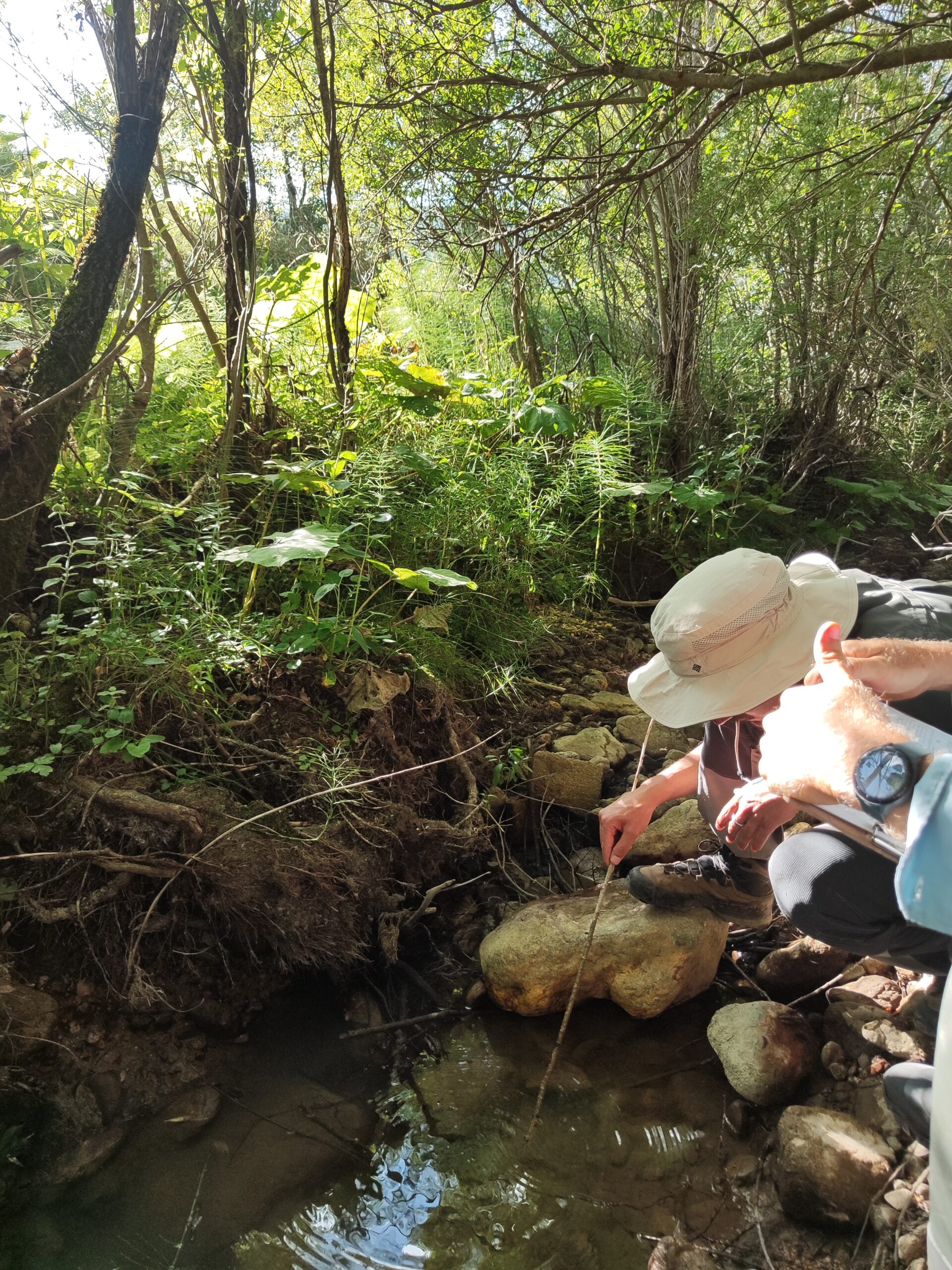
The Giovenco is a seasonal river, and when we visited in early September, much of the channel was dry. Water remained in a series of pools, concentrating life in the parts of the river that were still flowing.
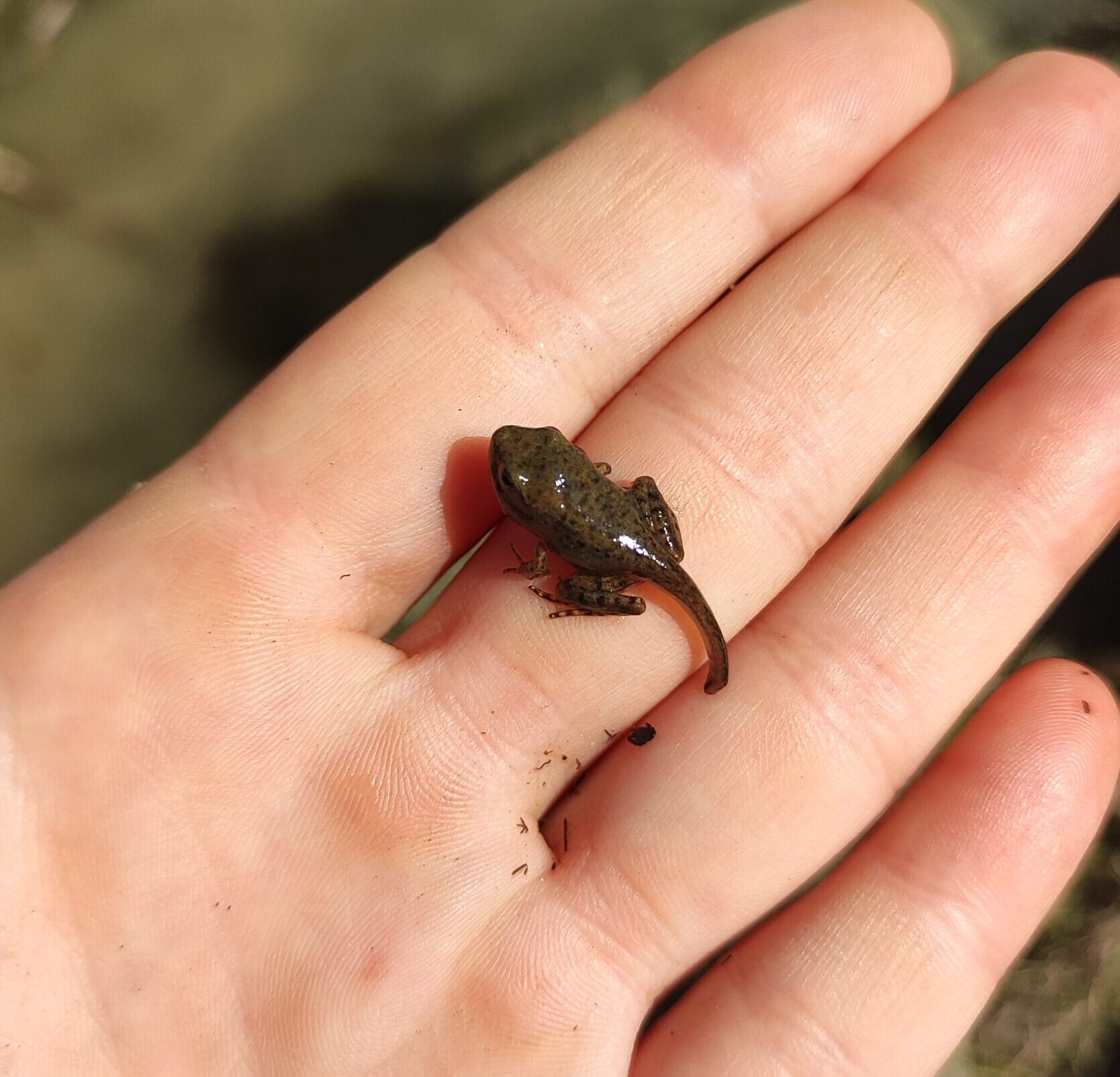
These pools were full of frogs, tadpoles, and macroinvertebrates, while riparian vegetation was beginning to establish along the river margins. Riparian vegetation was beginning to establish along the exposed margins, a first sign of the channel stabilising naturally. How quickly this develops will influence how much active bank protection is needed over time
We also spotted a large trout upstream of the lowest former weir. Its presence was an encouraging sign of how fish may already be responding to the newly connected stretch of river, although further monitoring will be needed to understand how they are using the restored habitat.
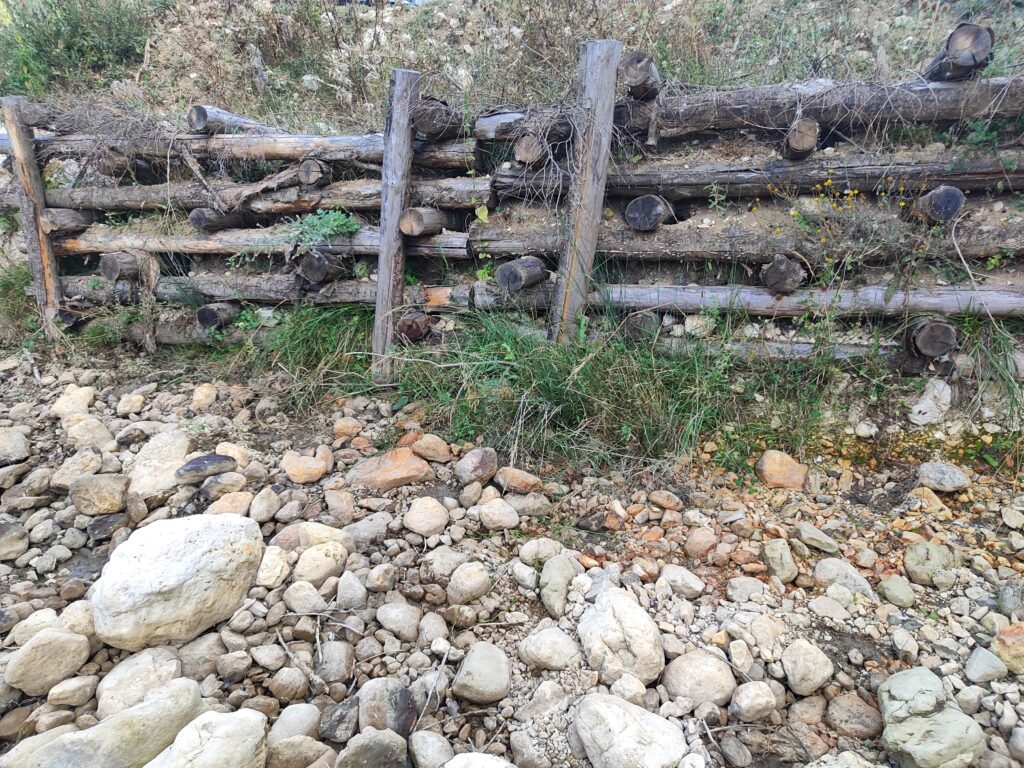
Significant bank erosion along parts of the restored reach was also observed. Some lateral adjustment is a normal part of recovery after barrier removal, and how much to stabilise is one of the questions our study is tracking. Fascines have been installed along the banks to help reduce erosion and stabilise the margins while the river adjusts.
The Giov&Go project has also involved local communities through meetings and public events, alongside monitoring before the removals. The aim is not only to restore the river itself, but to make a free-flowing Giovenco part of the identity and future of the valley.
Understanding how rivers respond to barrier removal is an important part of our study. We want to know not only whether connectivity is restored, but how rivers adjust, how habitats and wildlife respond, which processes support recovery, and where further intervention may be needed. By following these changes over time, we hope to build a better picture of what recovery looks like and what can help rivers recover more naturally.