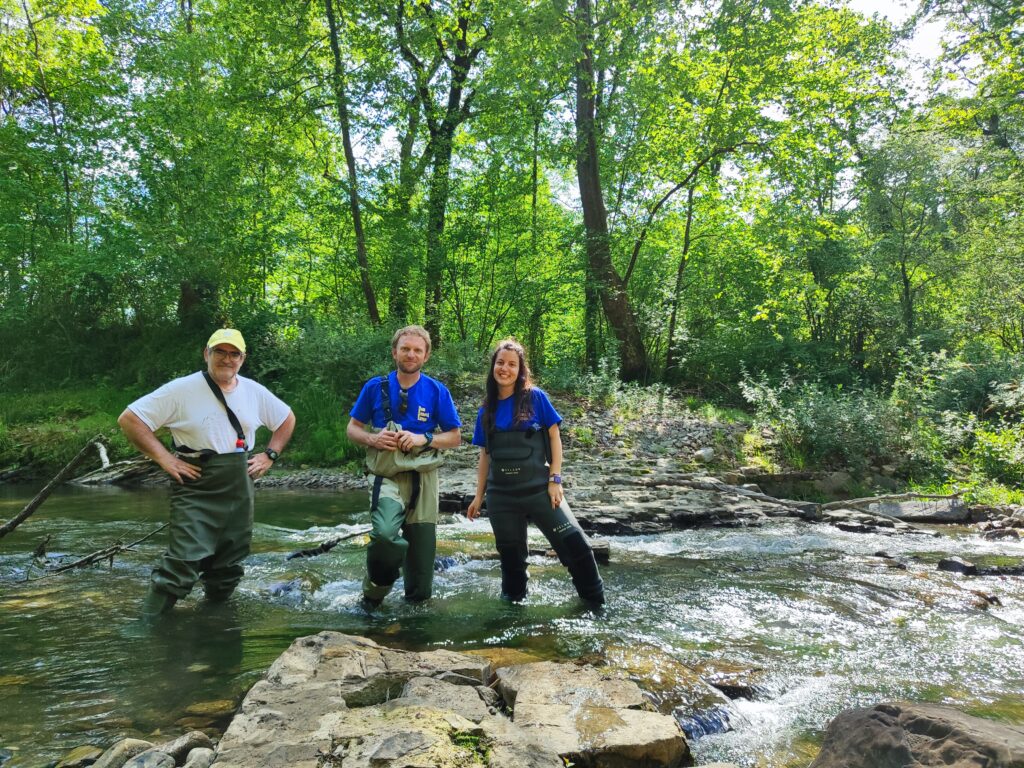


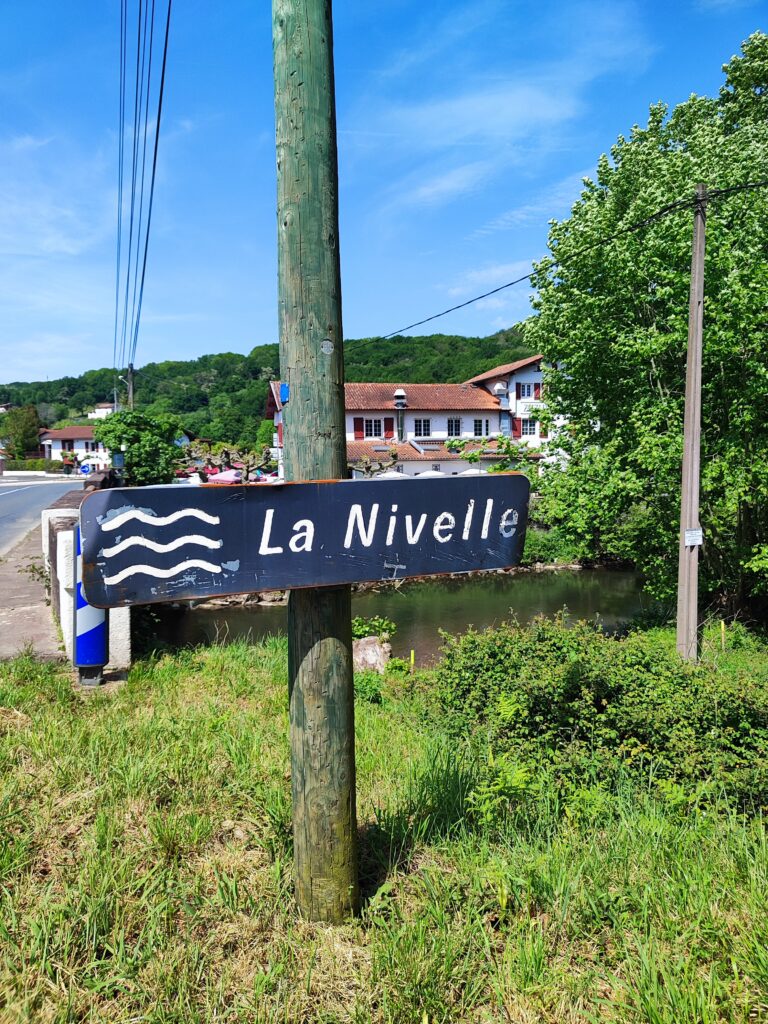
Urrutiénéa dam – Nivelle River, Ainhoa, Pyrénées-Atlantiques, France
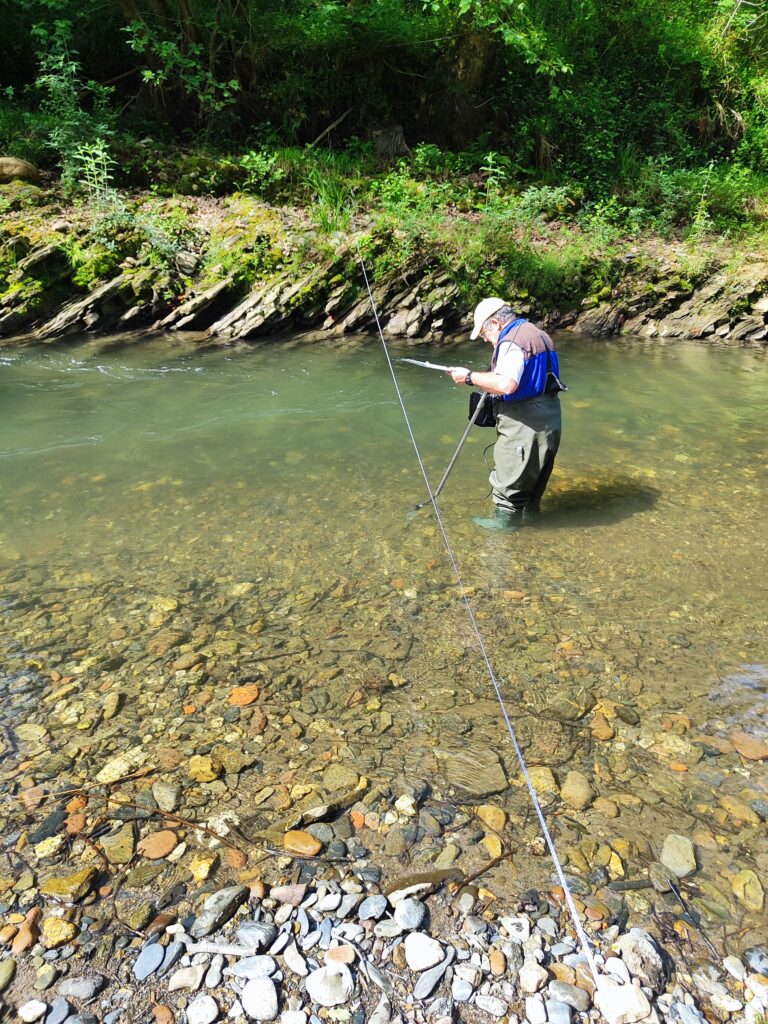
The Blue Rivers Foundation (BRF) team has carried out fieldwork on the Nivelle River (France) to assess the restoration of river continuity following the removal of the Urrutiénéa dam. This intervention, completed in October 2023 by the Fédération de pêche des Pyrénées-Atlantiques (Pêche 64), forms part of the Open Rivers Programme monitoring campaign covering multiple European river restoration sites.
River reconnection in action at the Urrutiénéa dam removal site
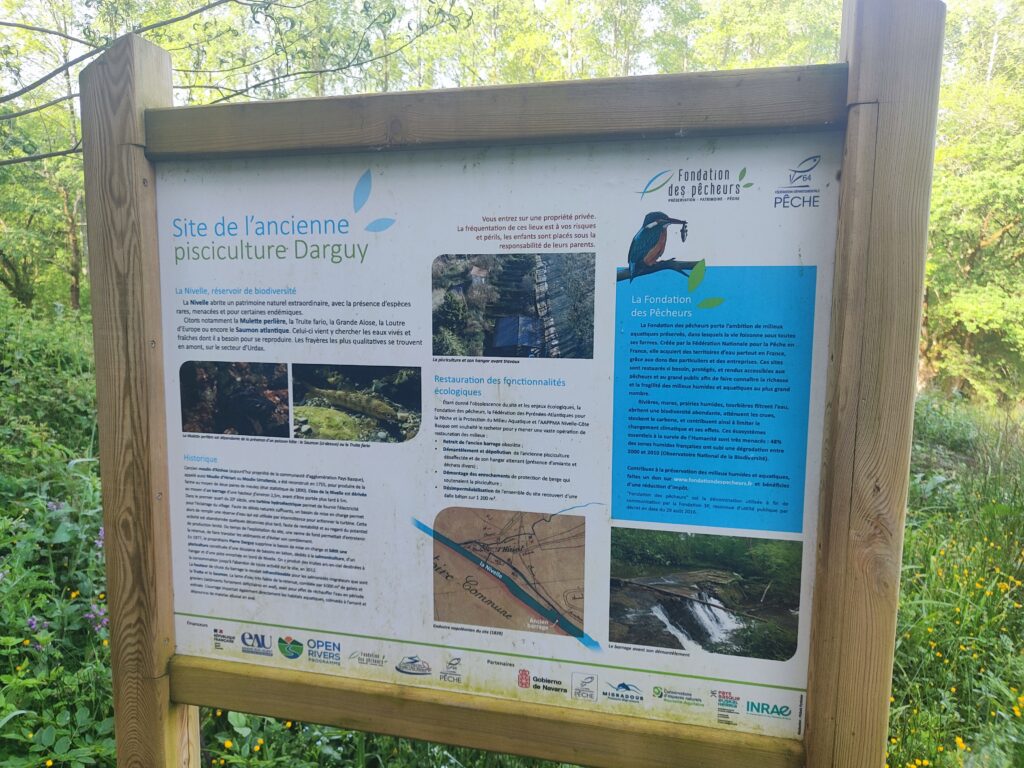
The Urrutiénéa structure was a 5-metre-high obsolete weir originally associated with an abandoned fish farming facility, inactive since 2012. The barrier was completely impassable for most aquatic species, including Atlantic salmon, Alosa, and Trout, and had been identified for more than 20 years as a major obstacle in multiple river management programmes.
Its removal has reconnected approximately 15 km of river, restoring longitudinal continuity between downstream reaches and upstream habitats extending into Spain.
The project was developed by Pêche 64 in collaboration with local and national partners, including the Fondation Préservation Pêche Patrimoine, and supported financially by the Agence de l’Eau Adour-Garonne, the Fédération 64, the AAPPMA Nivelle Côte Basque, and the European Open Rivers Programme.
Ecological signs of recovery
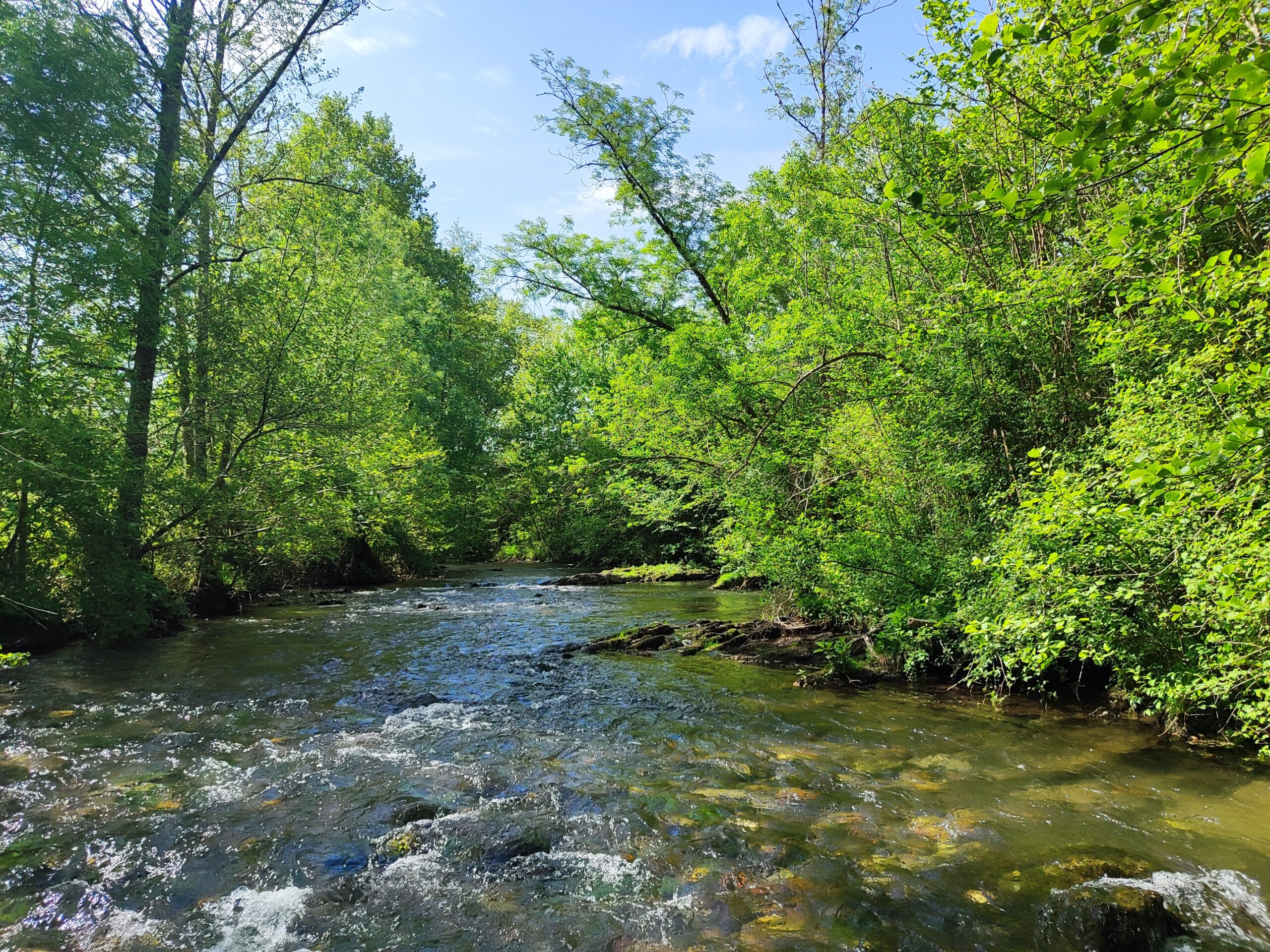
Field observations indicate positive ecological responses following dam removal. The river shows good overall water quality conditions, with clear habitat diversification in both upstream and downstream sections. Sediment dynamics appear to be reactivating naturally, with progressive redistribution of gravel and fine materials contributing to more heterogeneous habitat structures suitable for spawning and invertebrate development.
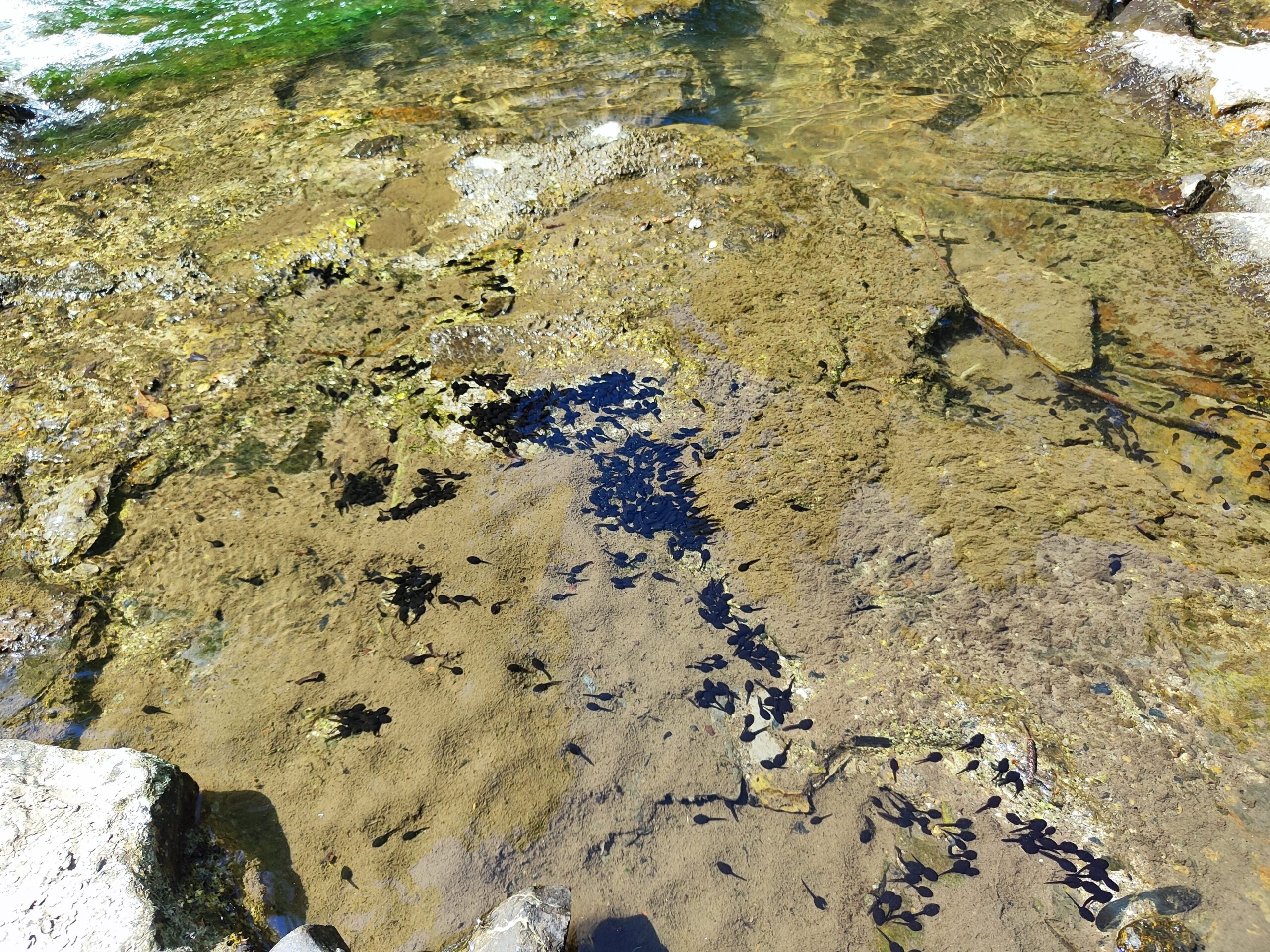
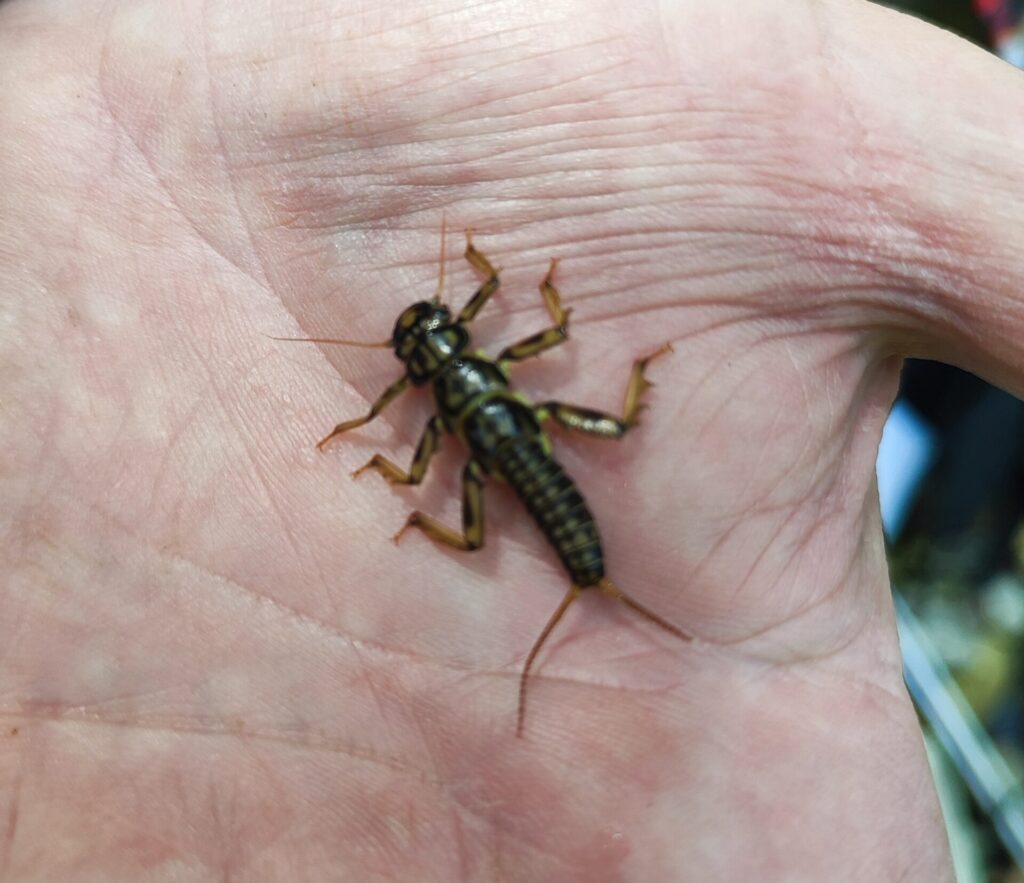
The team recorded a diverse assemblage of macroinvertebrates, particularly Plecoptera (stoneflies), gastropods, and amphibian tadpoles, indicating improving ecological functionality and oxygenation conditions. These groups are commonly used as indicators of good water quality and habitat recovery in restored river systems.
Social context and local perceptions
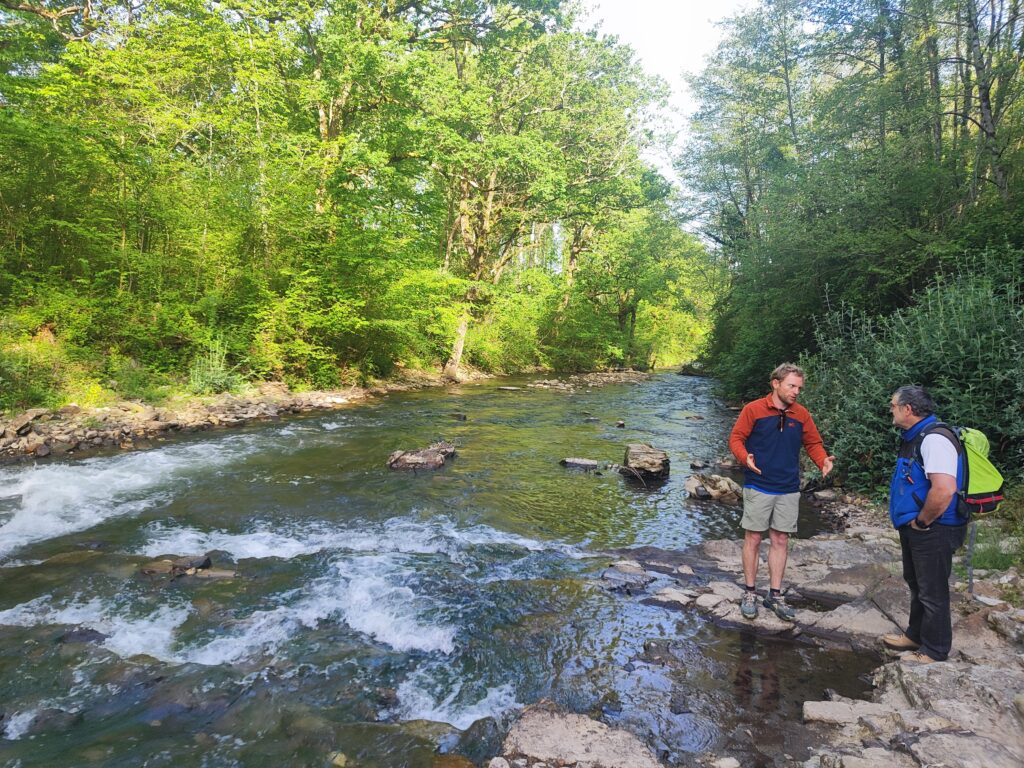
Social acceptance around the Urrutiénéa removal was generally positive. The site is located in a well-used recreational area, including hiking routes, and overall, local perception of the project appears favourable, with recognition of both ecological benefits and improved landscape continuity.
The Urrutiénéa dam removal represents an important step in restoring ecological continuity in the Nivelle River basin, reconnecting high-quality upstream habitats and improving conditions for migratory and resident species.
Early results suggest that, despite the complexity of transboundary management and long-standing infrastructure impacts, barrier removal can rapidly initiate ecological recovery and restore key river processes across connected catchments.