

Molino del Cabrillas Weir – Cabrillas River, Guadalajara, Spain
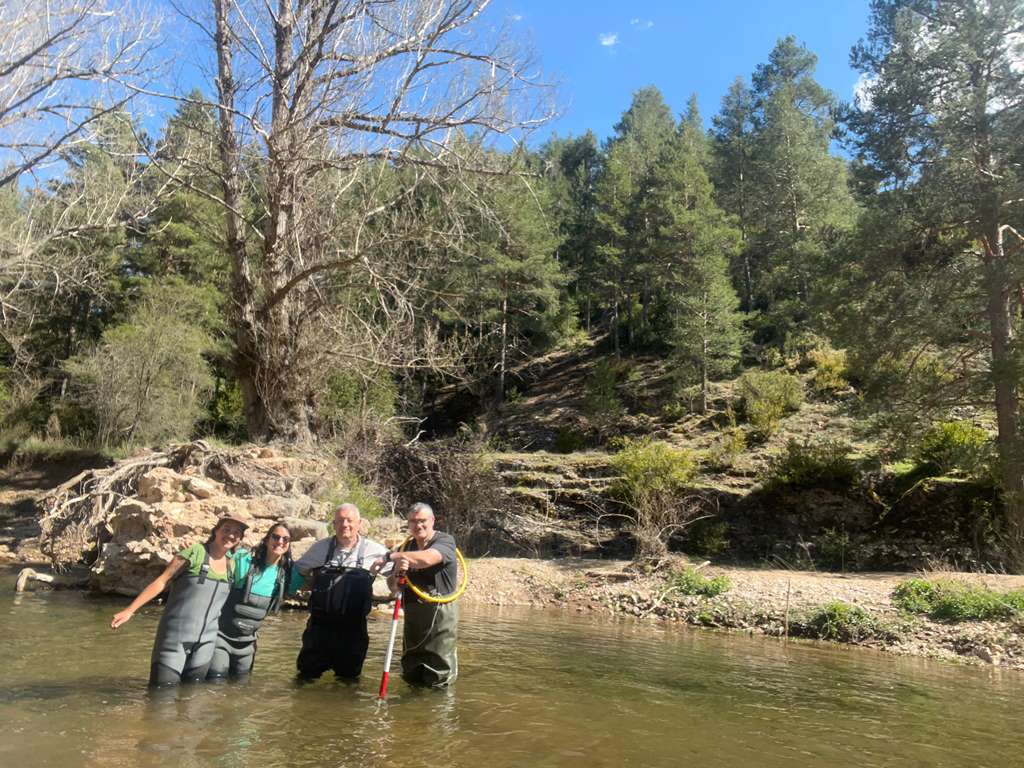
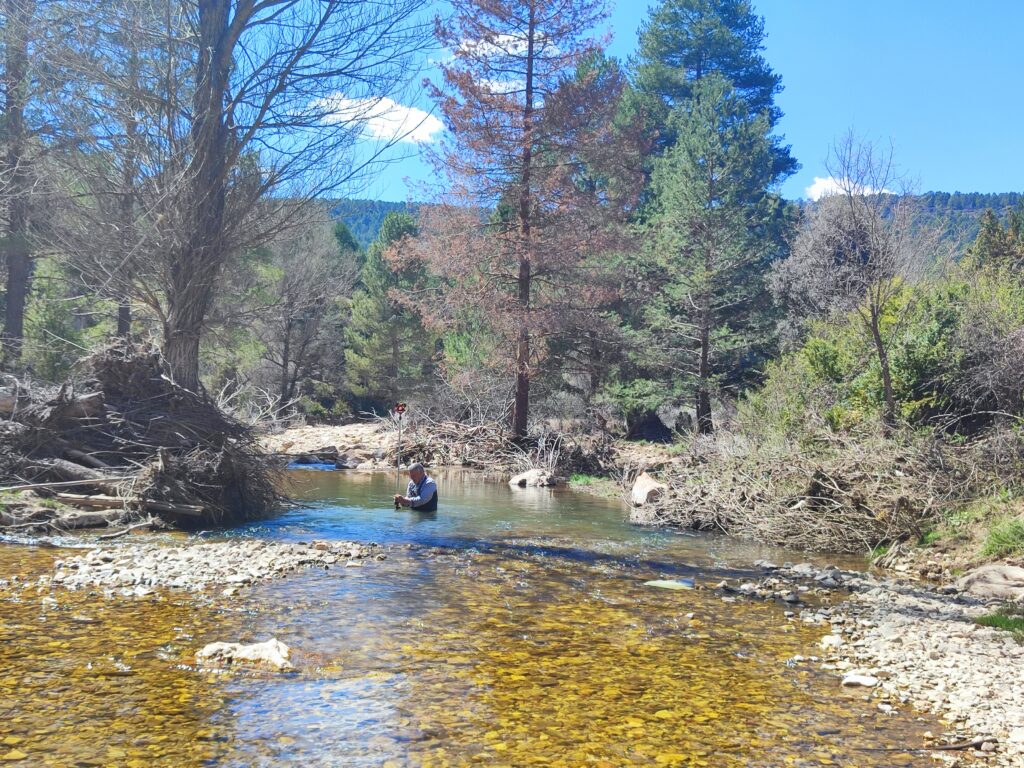
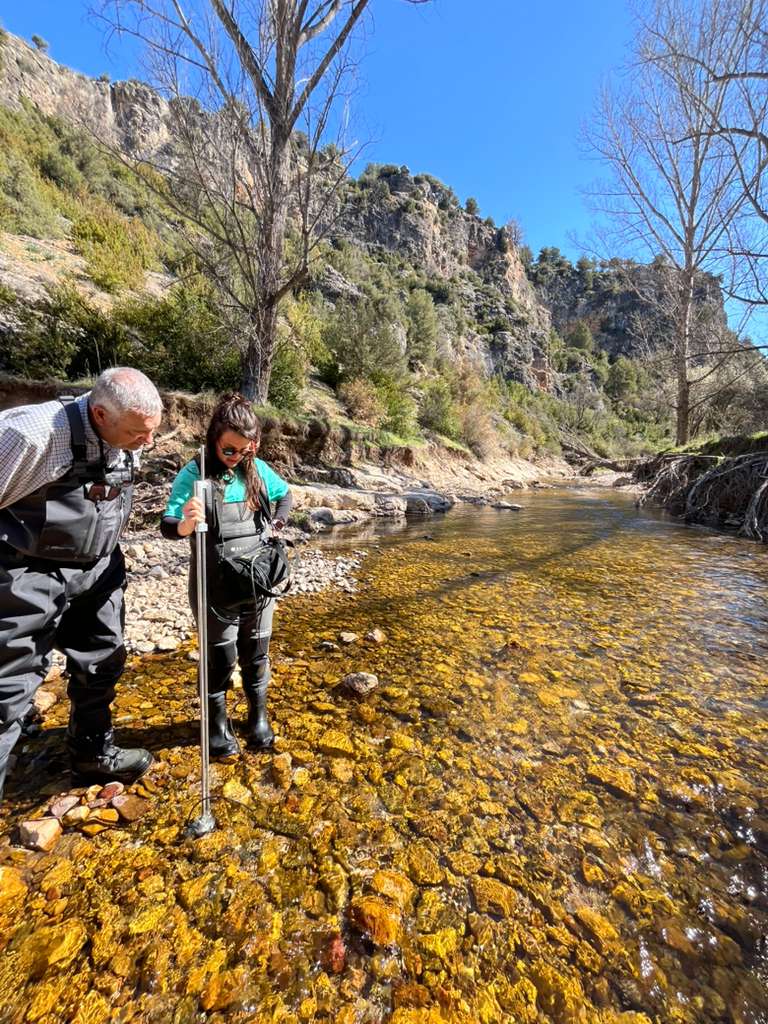
The Blue Rivers Foundation (BRF) team continues its fieldwork on the Cabrillas River (Spain) to assess a barrier removal carried out in 2022 by AEMS-Ríos con Vida, as part of the Open Rivers Programme monitoring campaign covering 12 sites across Europe. The aim is to better understand the ecological, hydromorphological, and social responses to river reconnection.
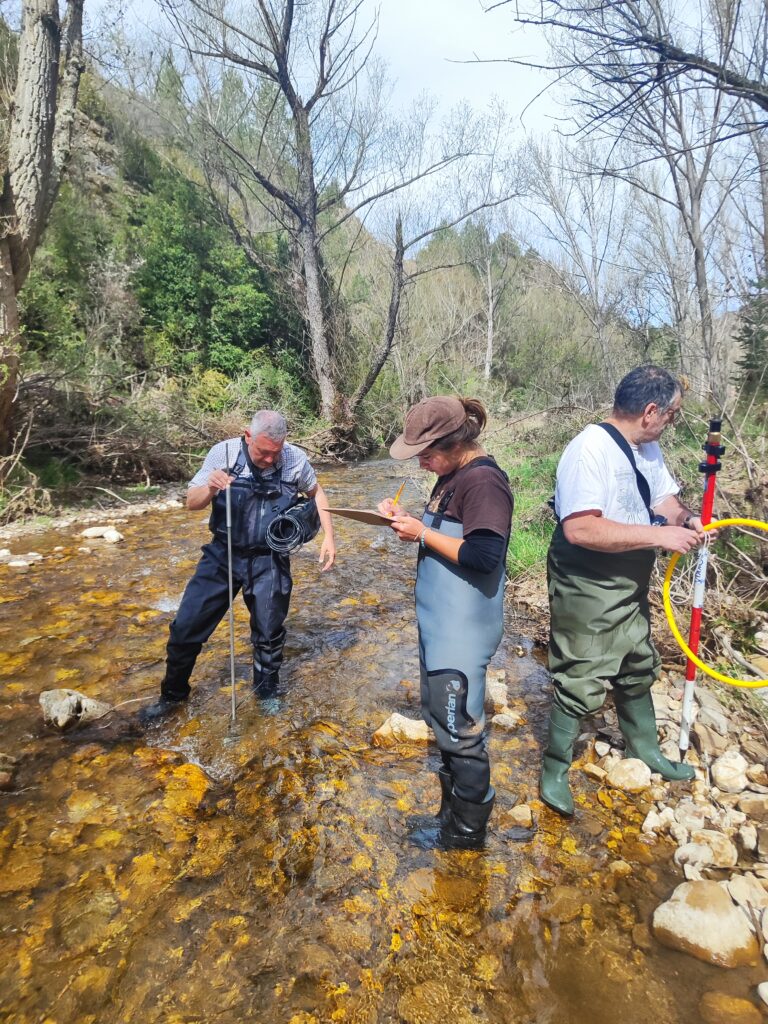
Restoring continuity in the Cabrillas River
The Molino del Cabrillas structure was a 50-metre-long and 3.5-metre-high weir originally associated with historic milling activity (date unknown). The structure was privately owned and never had a registered water concession.
Its removal aimed to restore ecological continuity and re-establish natural river processes. Together with the nearby Molino Bajo intervention, these actions have helped reconnect around 25 km of river habitat in the basin.
The removal was carried out in 2022 by AEMS – Ríos con Vida and funded by the Open Rivers Programme. The project received the Dam Removal Europe Award 2022 for the best dam removal project in Europe, recognising its contribution to restoring river connectivity and ecological processes.
Ecological signs of recovery
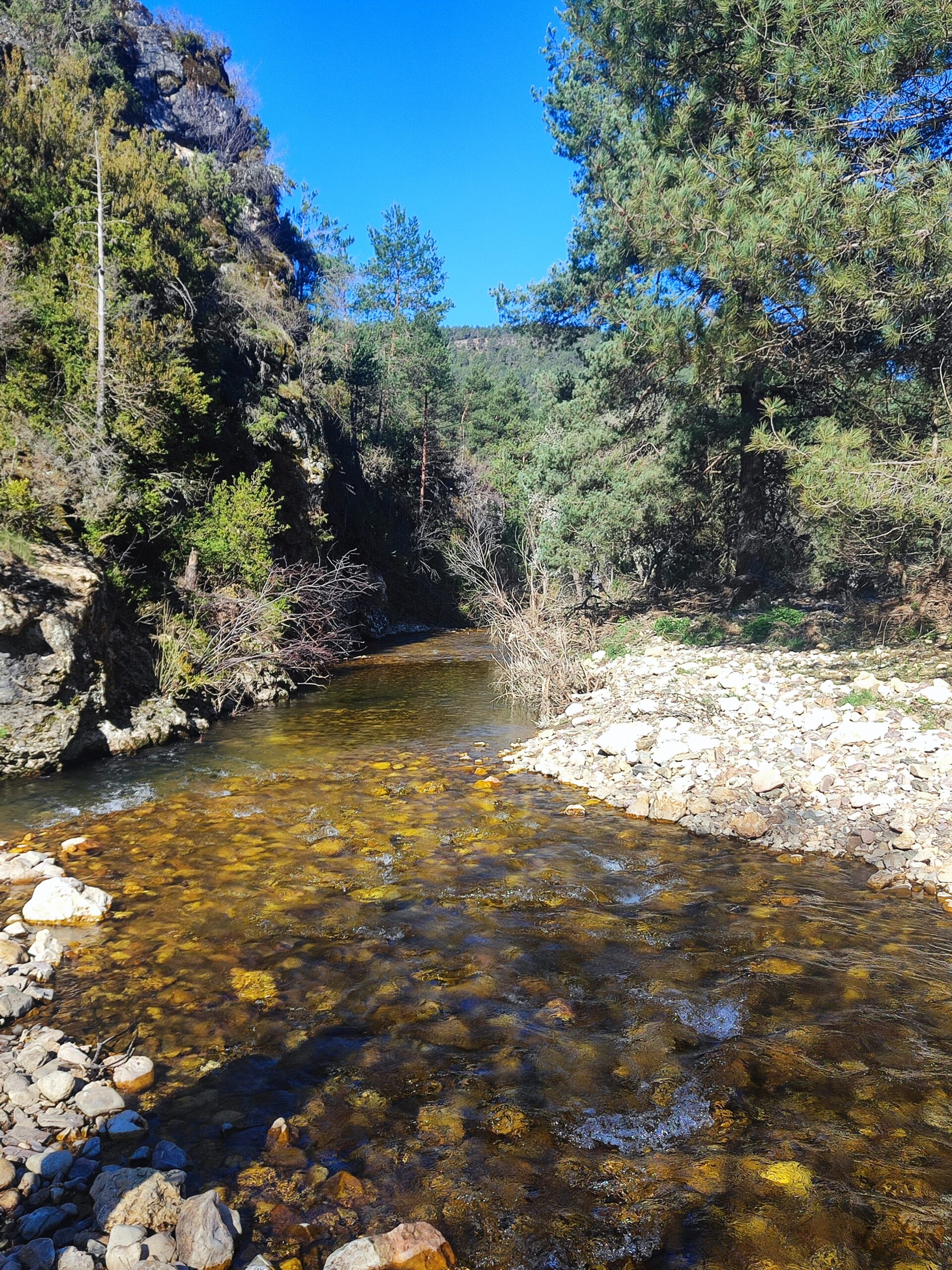
Field observations show encouraging signs of recovery. Sediment redistribution and habitat reorganisation are underway, reflecting the river’s natural adjustment after barrier removal.
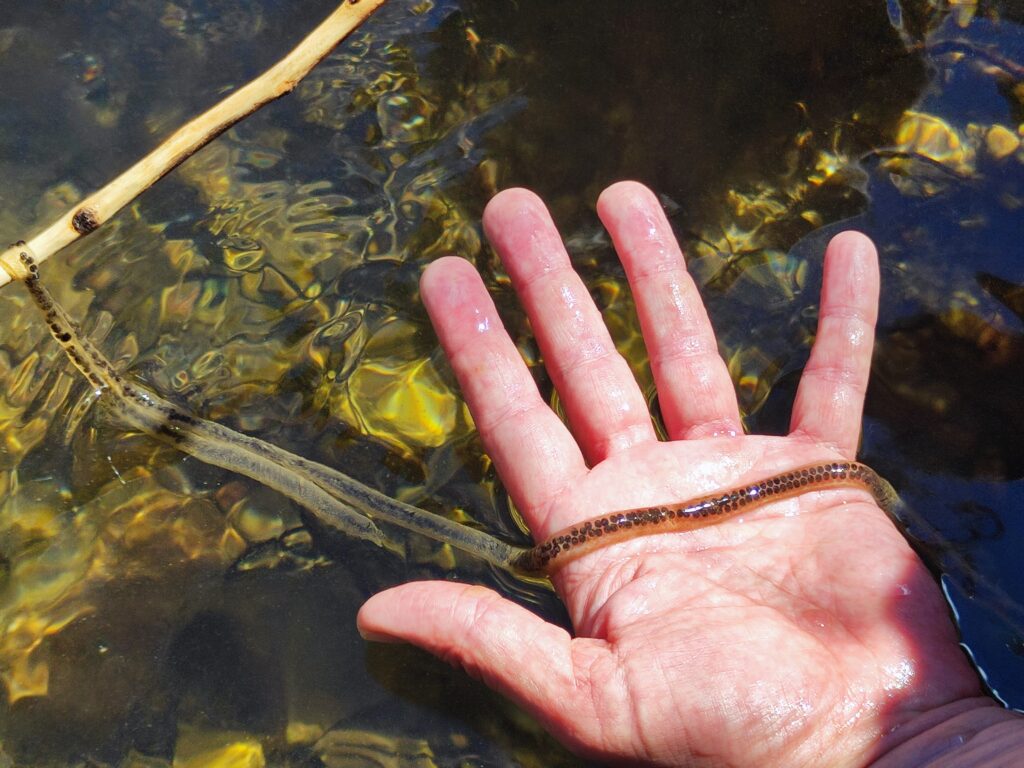
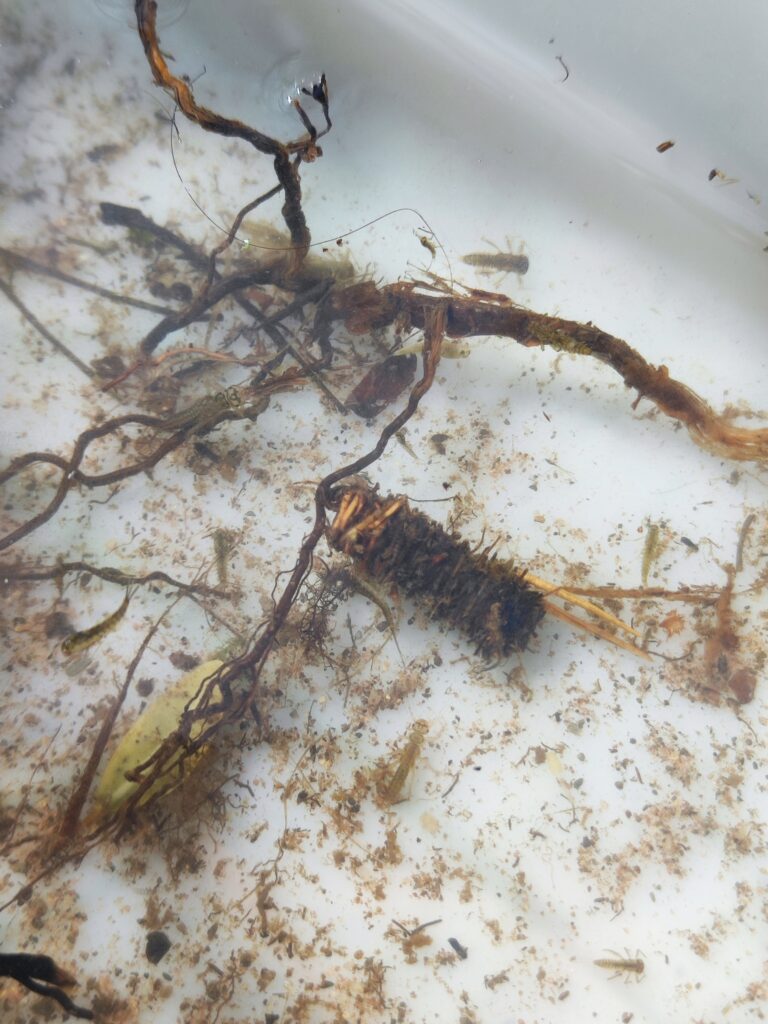
The team recorded a diverse macroinvertebrate community, widely used as an indicator of good water quality, as well as multiple amphibian breeding signs, including toad eggs, suggesting suitable spawning conditions in restored habitats. These findings point to improving ecological function and habitat availability in this river stretch.
Social context and local perceptions
Local perception of the removal remains mixed. The site was traditionally used for recreational bathing, and the intervention initially faced clear opposition. Interviews and informal conversations in nearby villages indicate that a significant part of the community is still not fully supportive, underlining the importance of continued engagement in river restoration projects within socially valued areas.
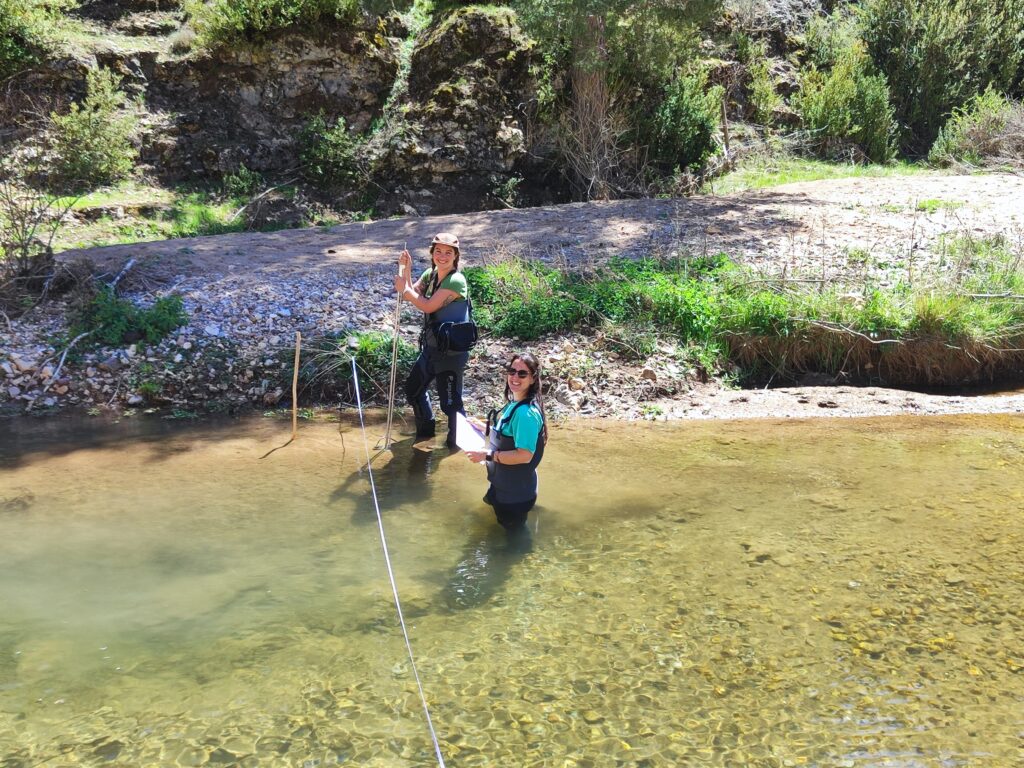
AEMS – Ríos con Vida was among the first NGOs in Spain to carry out obsolete barrier removals, contributing to the development of river reconnection efforts nationally.
Early results from the Cabrillas River suggest that, despite social complexity and gradual ecological change, removing obsolete barriers can initiate meaningful ecological regeneration and restore key river processes.