

Monitoring ecological impacts in the Bois-Jean River, Wallonia (Belgium)
As part of our ORP-funded project assessing the ecological and social effects of small barrier removals, the BRF team travelled to southern Belgium to monitor the removal of two weirs in the Bois-Jean River, a tributary within the Semois (Meuse) catchment.
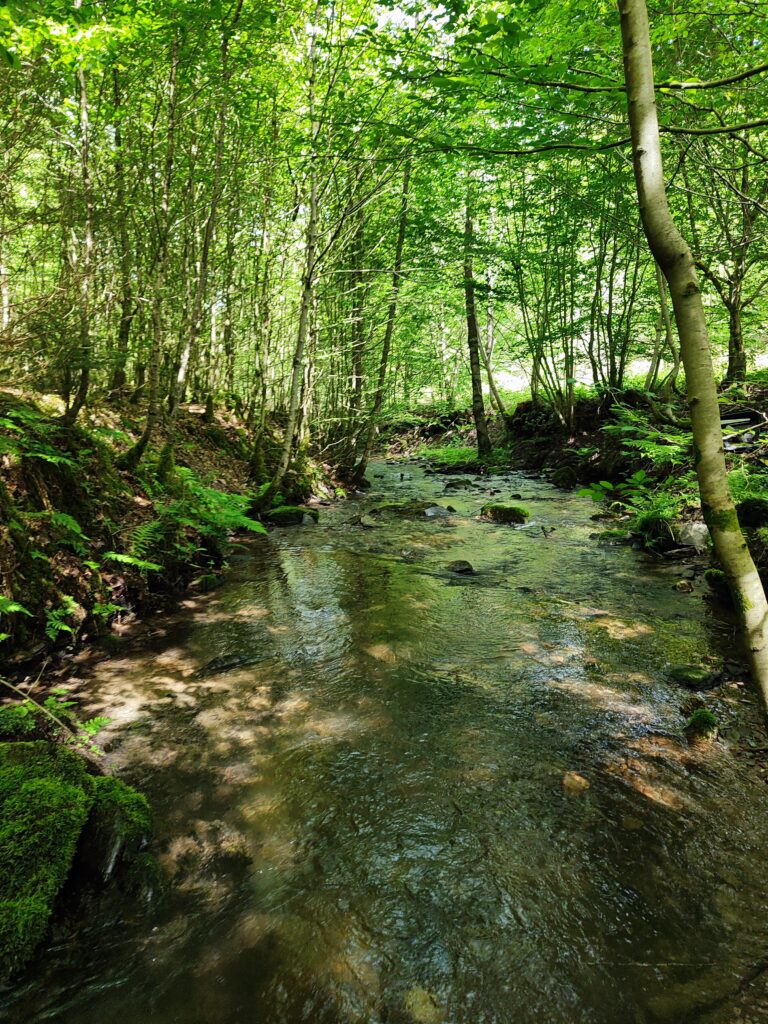
The Bois-Jean river lies in the Semois Valley National Park, one of Belgium’s recently designated national parks created to protect high-value terrestrial and freshwater ecosystems across the wider Semois catchment. Within the park, river fragmentation has been identified as a major pressure on ecological continuity.
Weirs removals and restoration approach
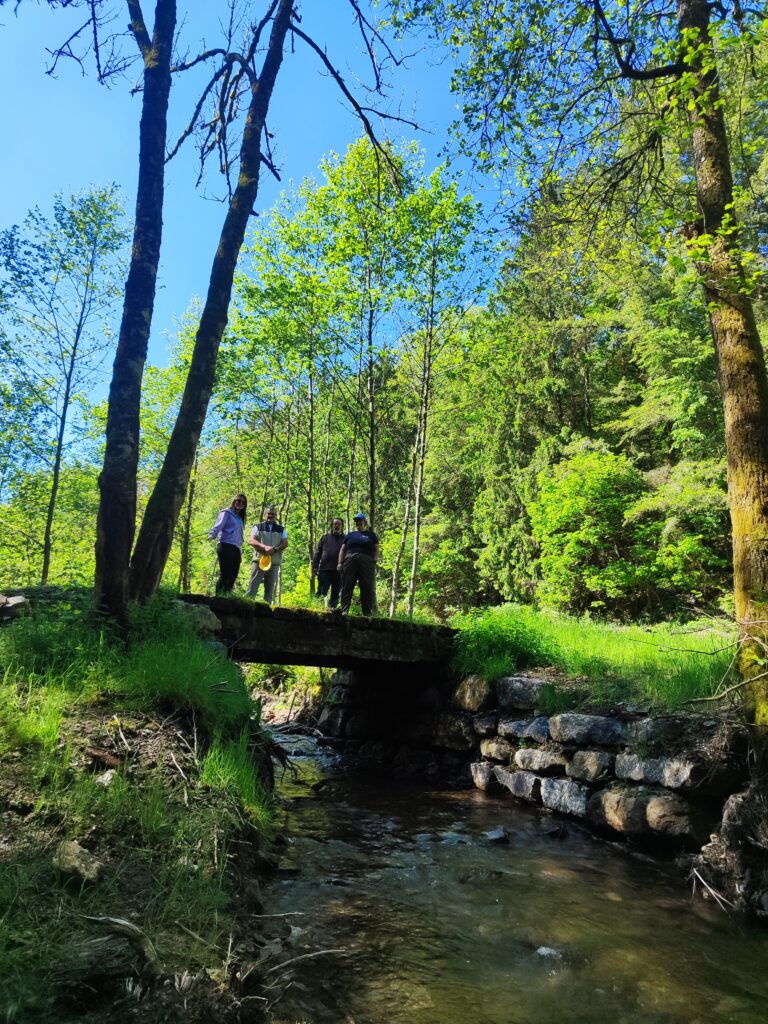
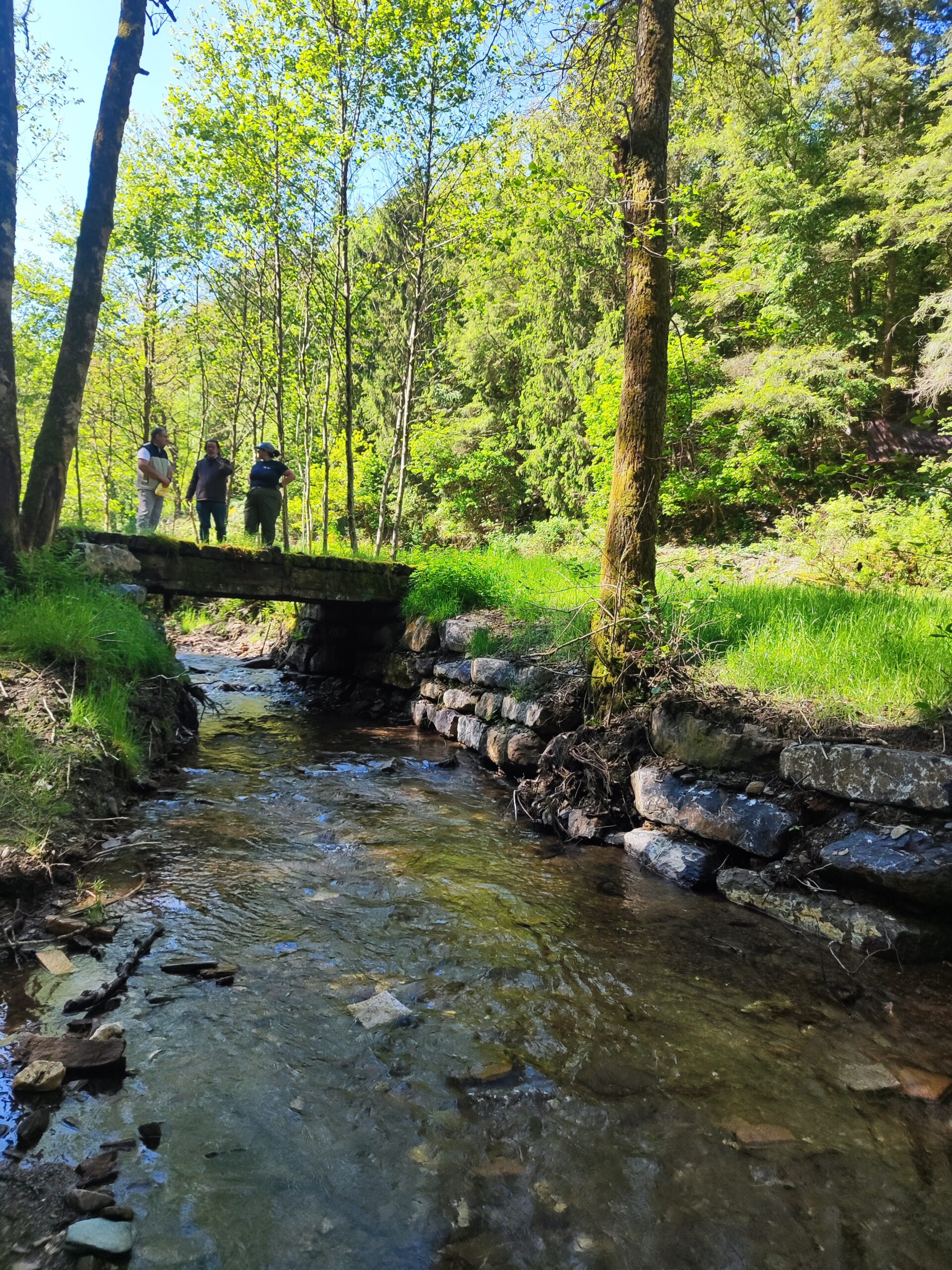
The project focused on two small weirs located on private land near the border with France. Both structures were identified as key barriers in an otherwise largely connected tributary.
One of the weirs (Weir 2) was still used to supply water to the private ponds, while the first structure (Weir 1) supported a small bridge providing access to the opposite riverbank. Through close collaboration with landowners, an agreement was reached to remove both structures, provided that an alternative, ecologically designed water intake would be installed to maintain pond water supply and ensure continued bridge access. The boulders from the dismantled weir were reused to reinforce the riverbank at the former barrier location, enhancing bank stability and reducing erosion risk.
This solution illustrates how ecological restoration and local needs can be successfully reconciled through dialogue and integrated design.
Ecological relevance
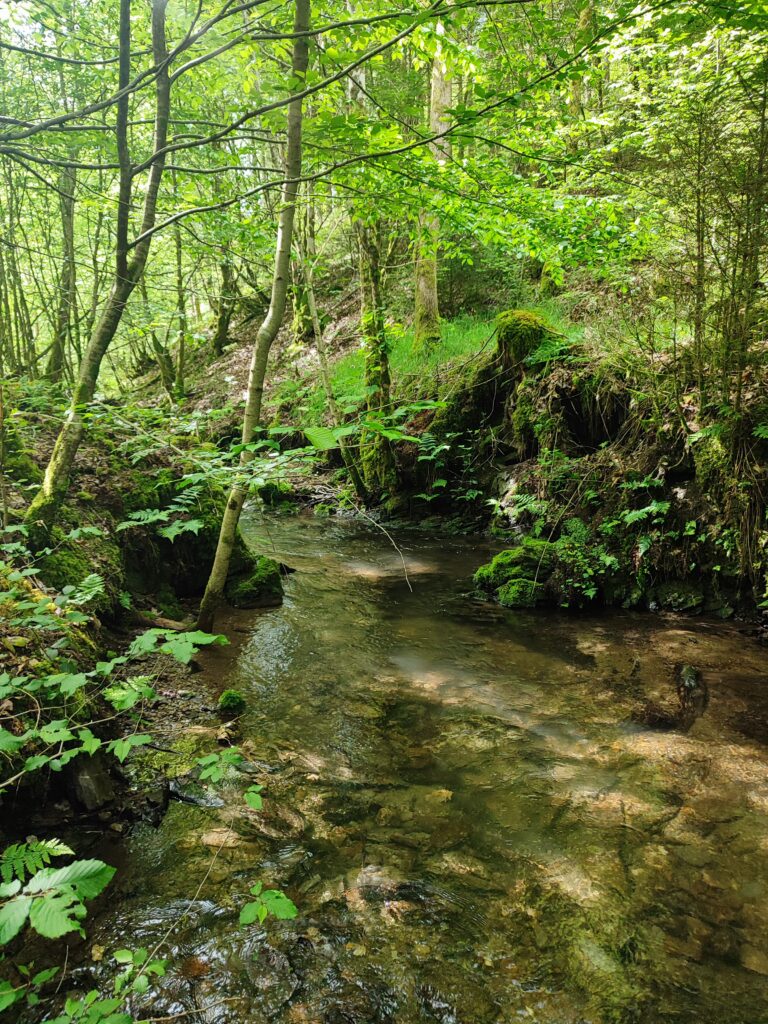
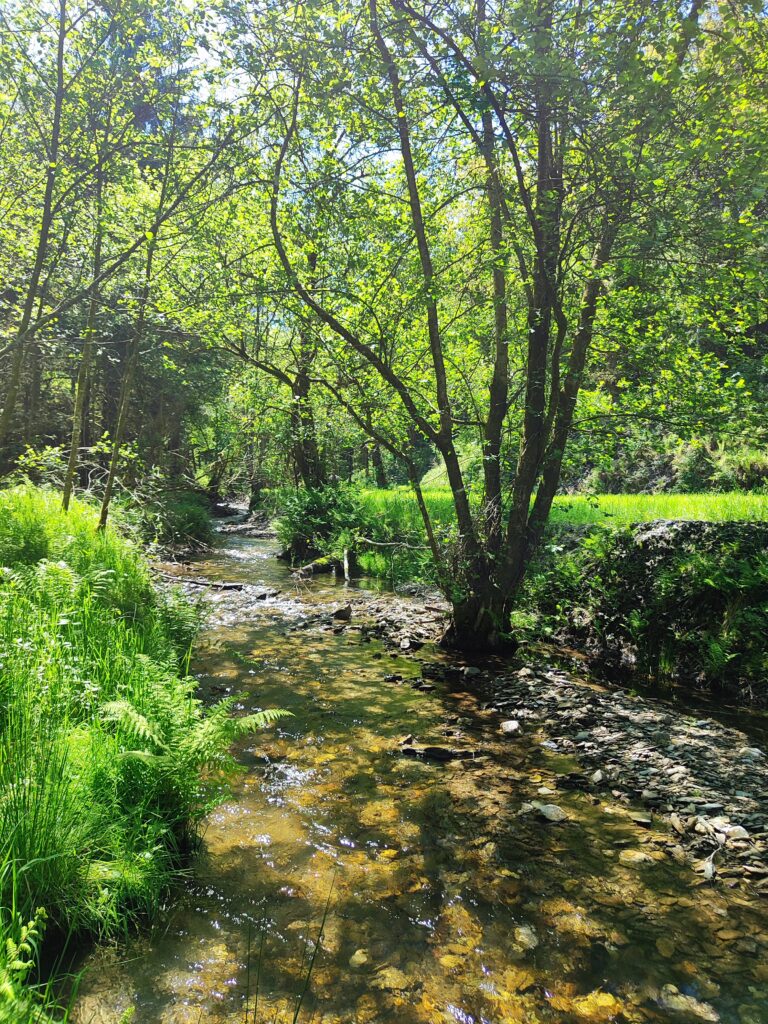
The Bois-Jean stream supports characteristic species of well-oxygenated headwaters, including brown trout and bullhead, whose movements were previously constrained by the weirs. As these were the only migration barriers in this sub-catchment, their removal now restores full longitudinal connectivity, allowing access to spawning, feeding, and refuge habitats.
Field observations suggest that natural sediment transport has been re-established, along with improvements in hydromorphological dynamics throughout the valley.
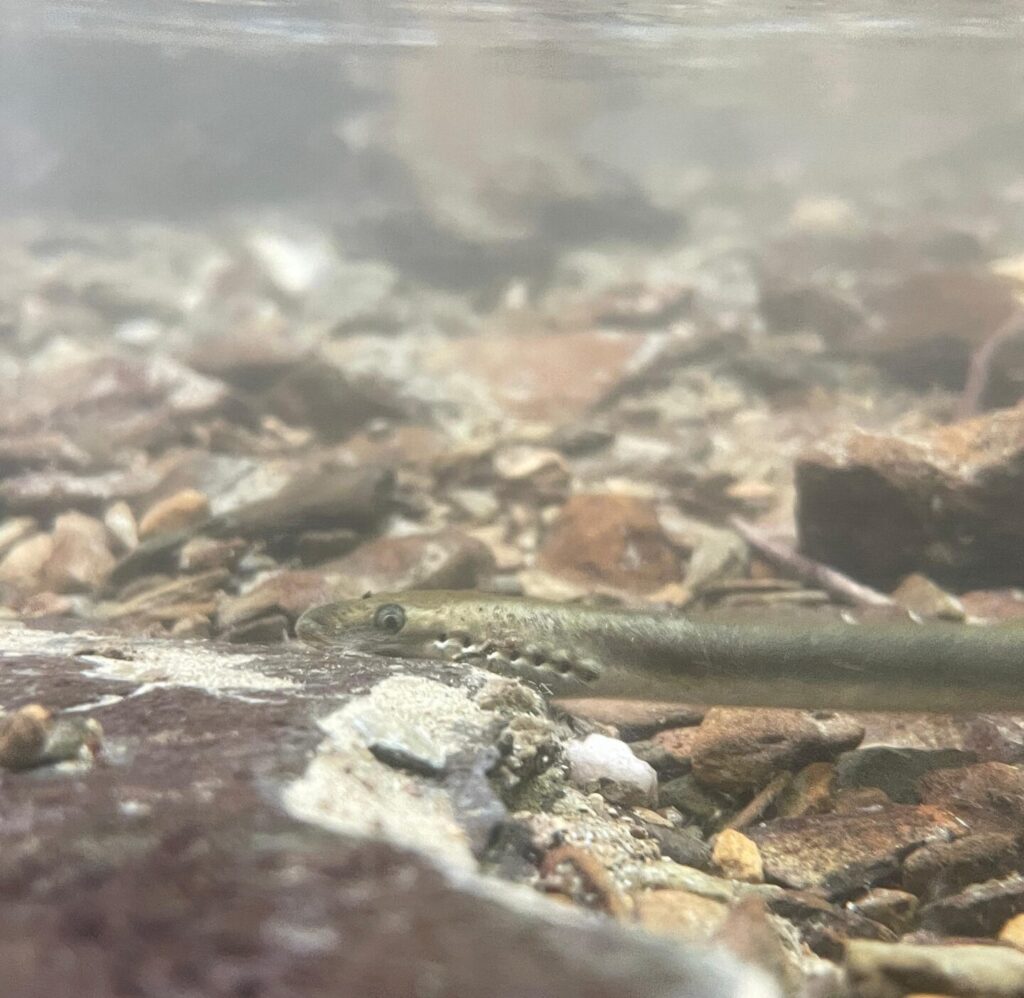
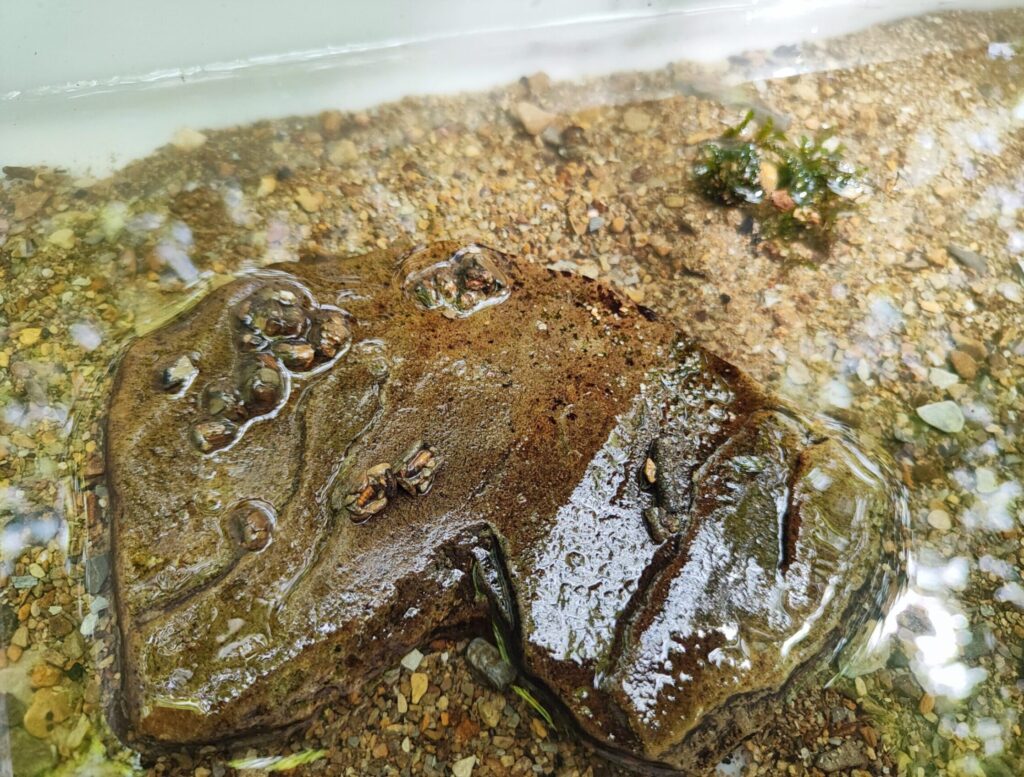
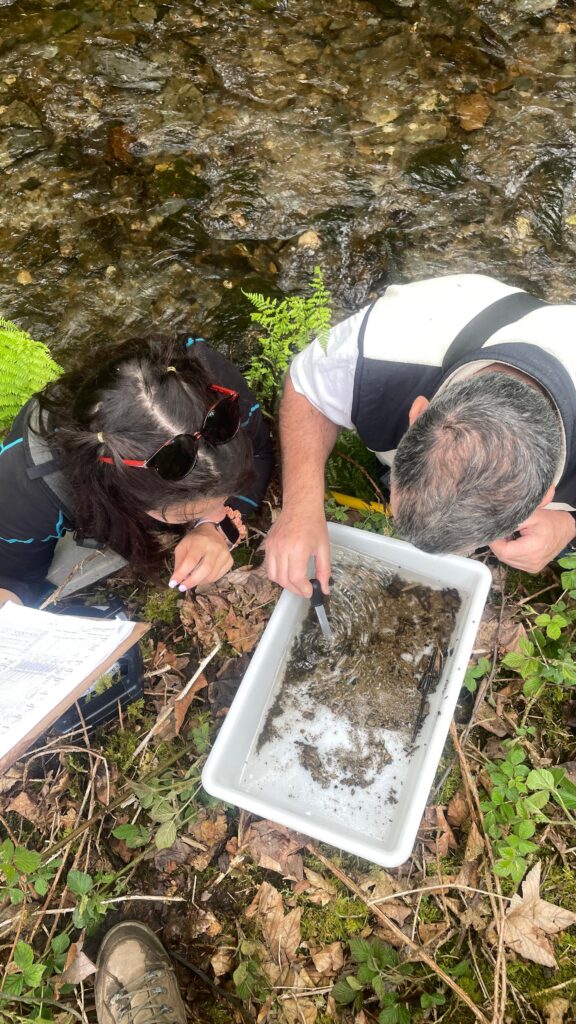
During field monitoring, we observed adult lampreys (Lampetra spp.), a particularly encouraging sign of improved connectivity, as well as diverse aquatic invertebrate communities, including Trichoptera attached to submerged substrates and stoneflies (Perla spp.).
Stakeholder engagement and project implementation
The restoration was initiated by the Contrat de Rivière Semois–Chiers, with support from Open Rivers Programme, and implemented through strong cooperation with local stakeholders and landowners.
A comprehensive survey across the area recorded nearly 300 barriers, including weirs, culverts, and other small structures, across the main river and its tributaries. From this inventory, priority sub-catchments were selected for restoration based on ecological importance, technical feasibility, and benefit–cost considerations.
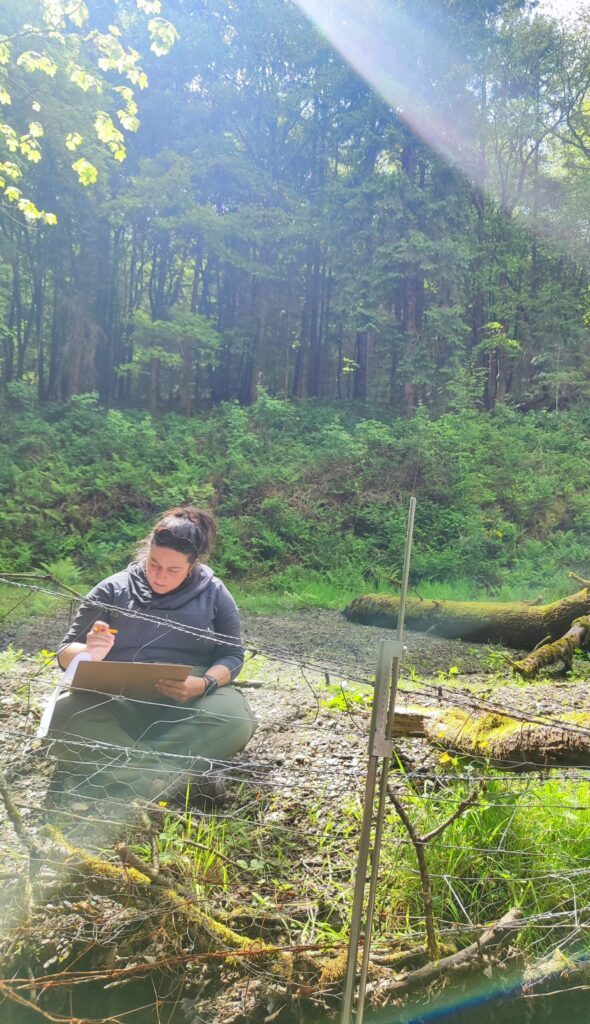
This case highlights that barrier removal is not only a technical intervention but also a process of negotiation, adaptation, and shared vision for river recovery. At BRF, we are monitoring not just ecological responses, but also the social dynamics that shape restoration outcomes. Understanding both is essential to ensure that river connectivity is restored in ways that are ecologically effective and locally supported.