


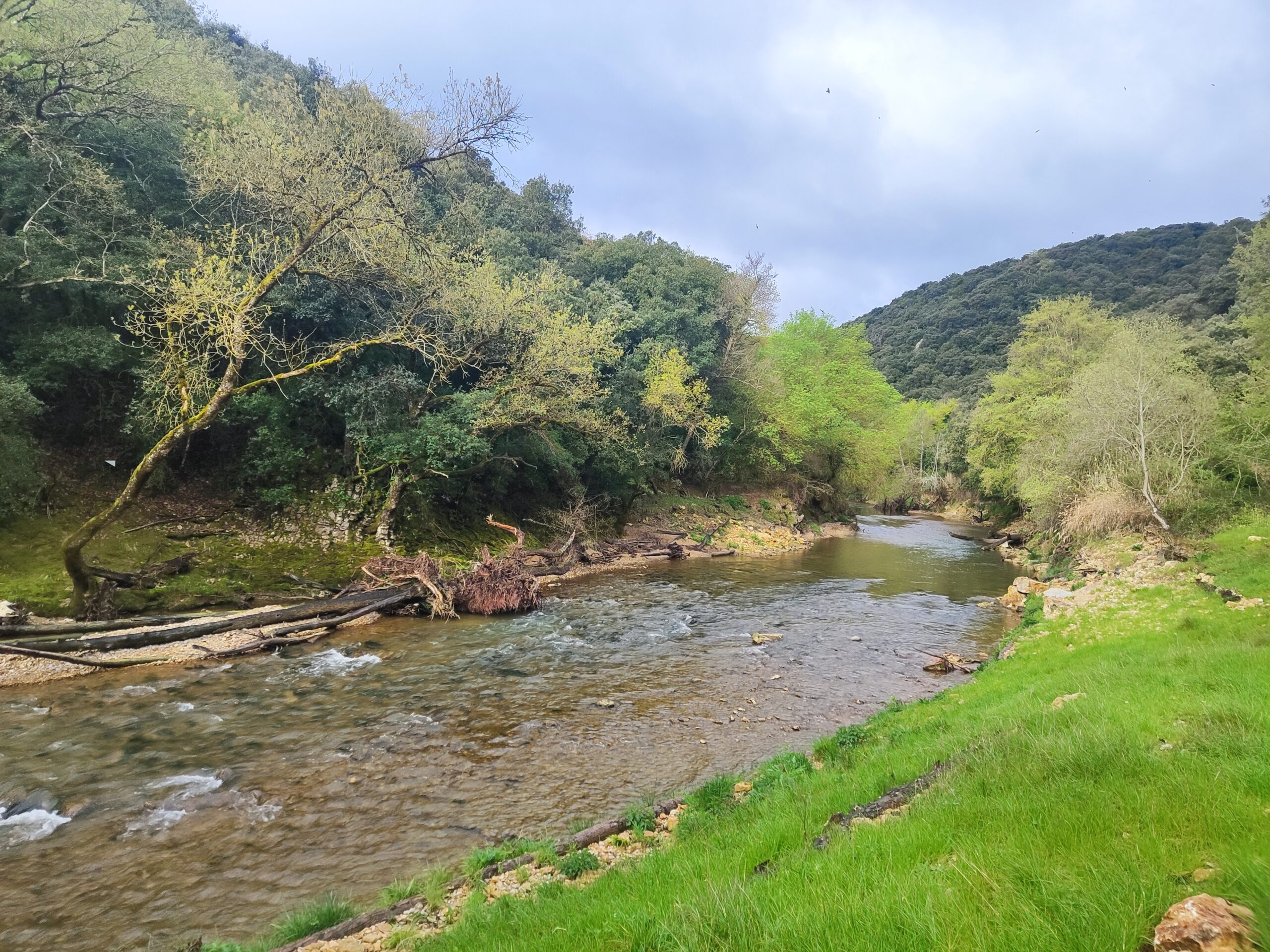
Arquijas Weir on the Ega River, Navarra, Spain
The Blue Rivers Foundation (BRF) team has officially started its fieldwork studies, beginning in Navarra, Spain, with the assessment of the removed Arquijas Weir on the Ega River.
This visit marks the first of 12 barrier removal projects that will be monitored throughout the year as part of a broader effort to better understand the ecological, hydromorphological, and social impacts, as part of the Open Rivers Programme (ORP) funded project to assess the effectiveness of small barrier removals across Europe.
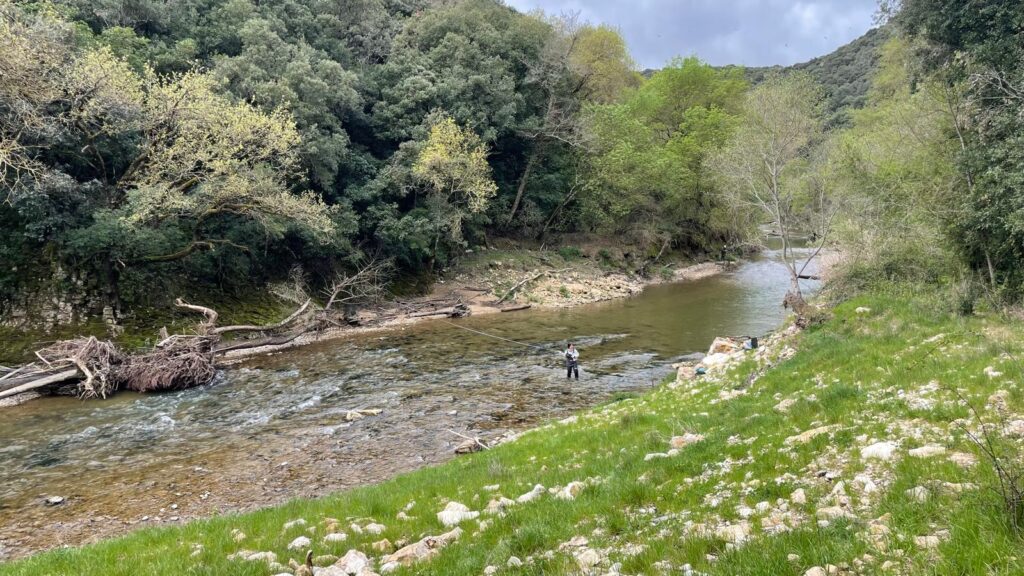
Restoring connectivity in the Ega River
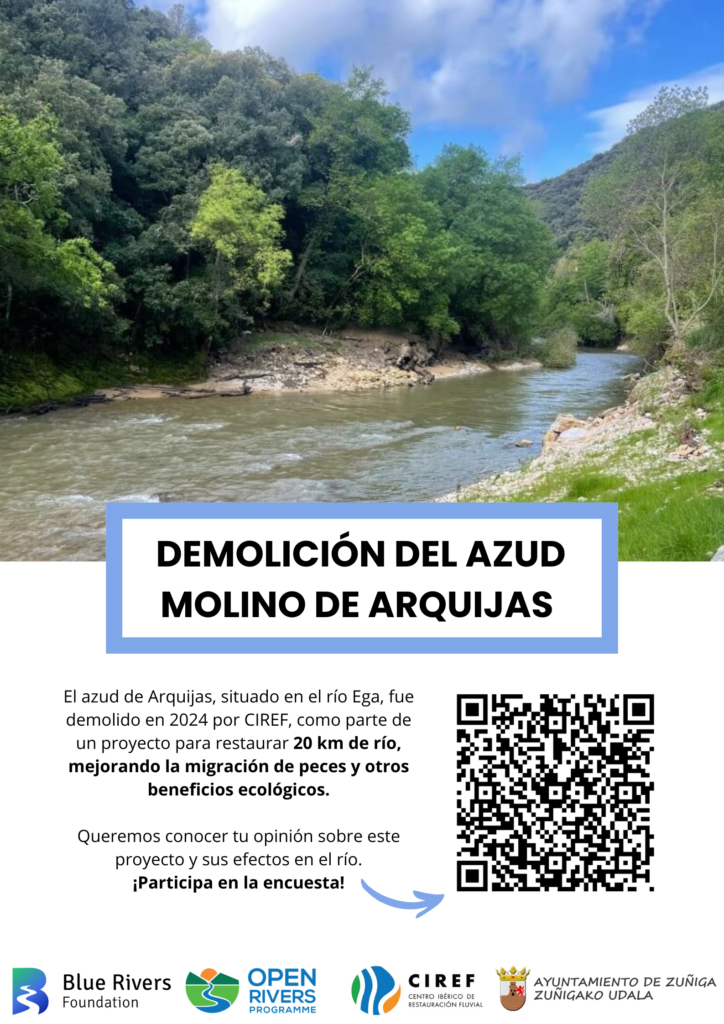
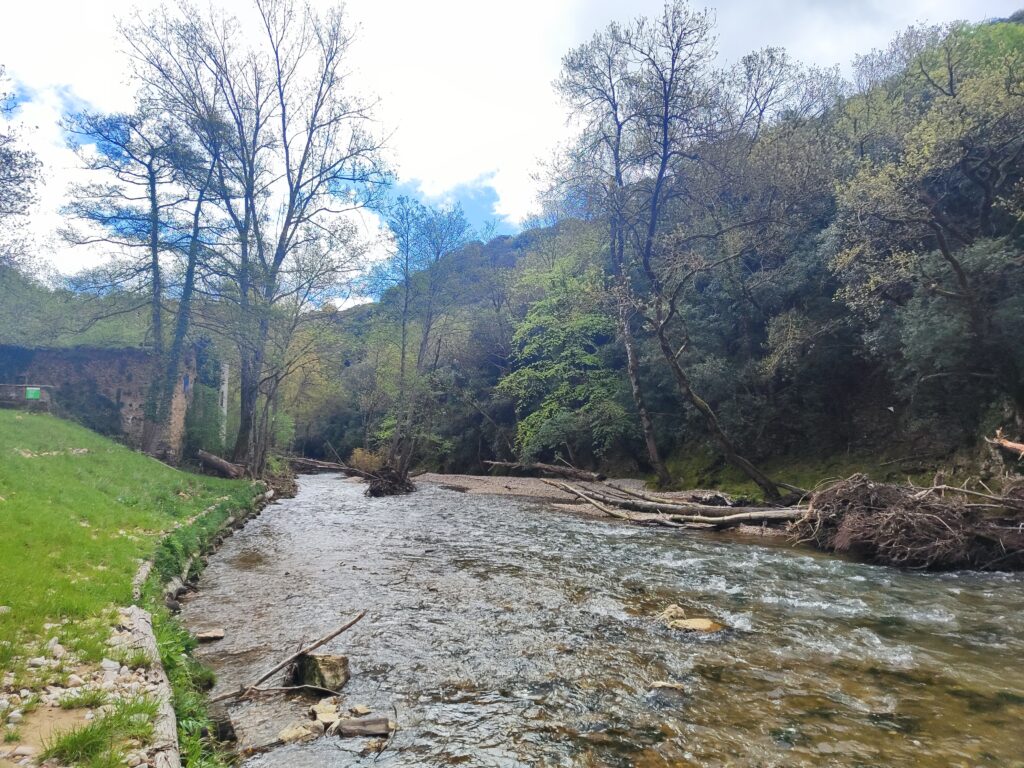
The Arquijas Weir, a 68-metre-long structure originally built to supply water to a mill, had been abandoned for decades before its removal in 2024. Its dismantling, carried out by CIREF with support from Open Rivers Programme, has reconnected this section of the Ega River.
The primary objective of this removal is to restore natural river dynamics and improve longitudinal connectivity. By removing the barrier, fish species can once again access upstream habitats, including high-quality spawning areas that had been unavailable for many years.
First signs of recovery
Initial field observations suggest that the river is already beginning to recover. While sediment redistribution is still ongoing, a natural and expected process following barrier removal, early indicators point to improving ecological conditions.
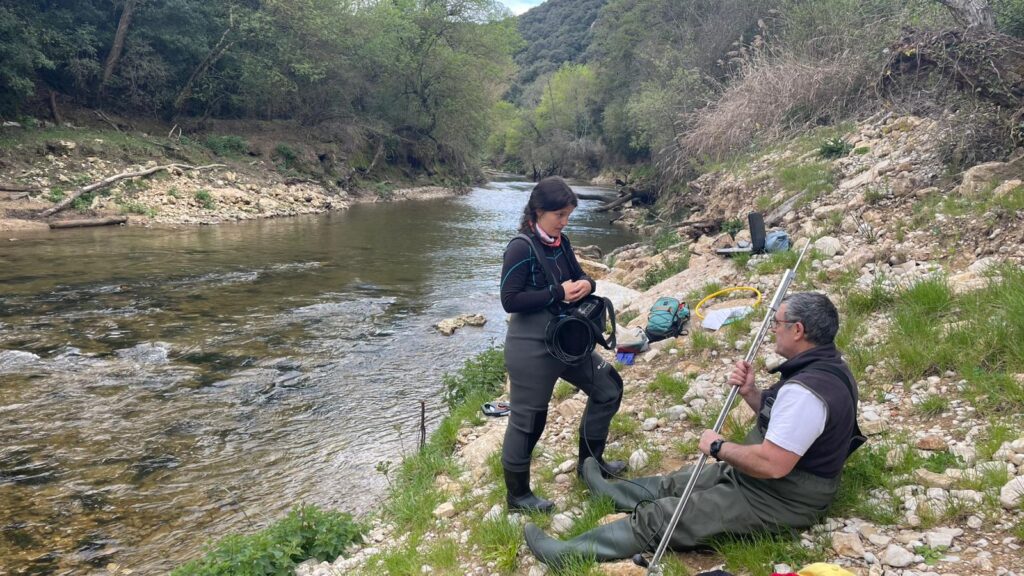
As part of the post-removal assessment, we analysed a range of parameters to characterise hydromorphological conditions, including habitat structure, sediment dynamics, and riparian vegetation. We also recorded a diverse community of macroinvertebrates, which are widely used as bioindicators of water quality, suggesting a positive ecological status in this section of the river.
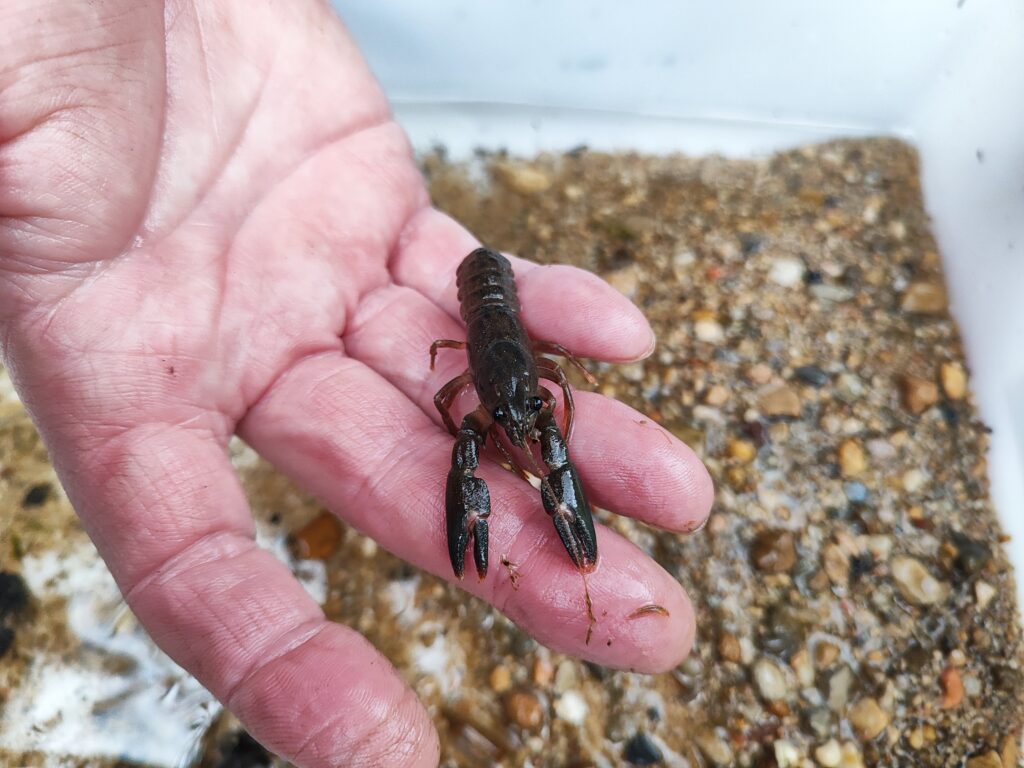
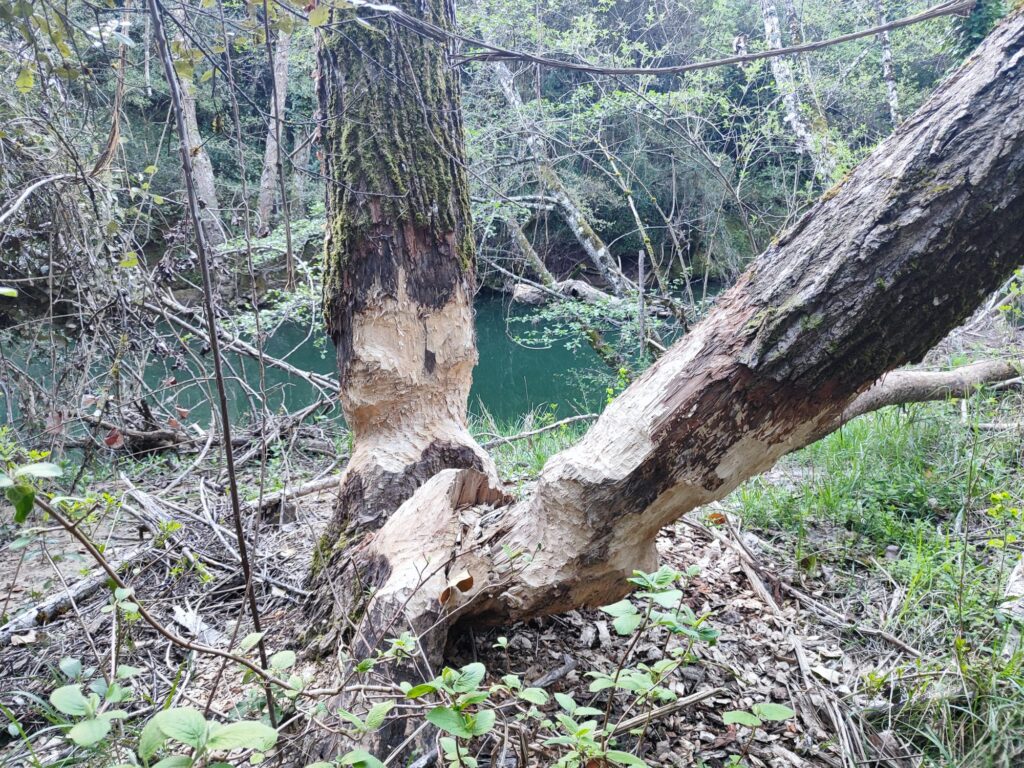
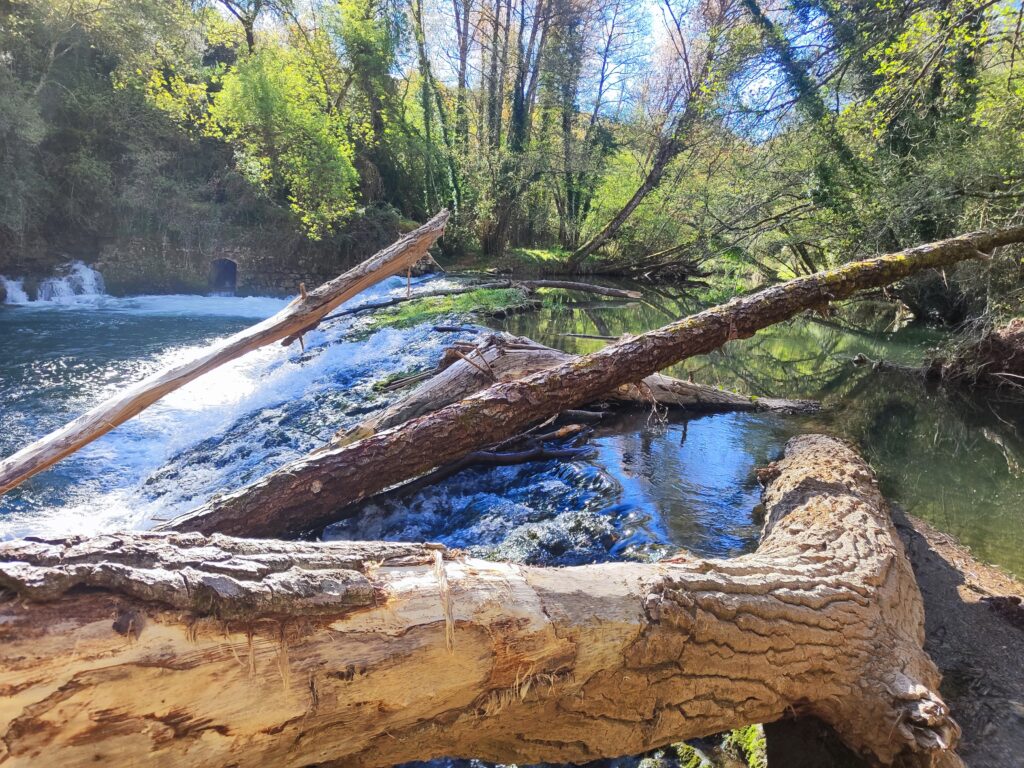
At the same time, we detected individuals of signal crayfish (Pacifastacus leniusculus), an invasive species in the Iberian Peninsula. Its presence highlights the importance of continued monitoring, as river restoration can also influence the spread and dynamics of non-native species. Additionally, clear signs of beaver activity were observed along the riverbanks, particularly in the surrounding trees.
Understanding the social dimension
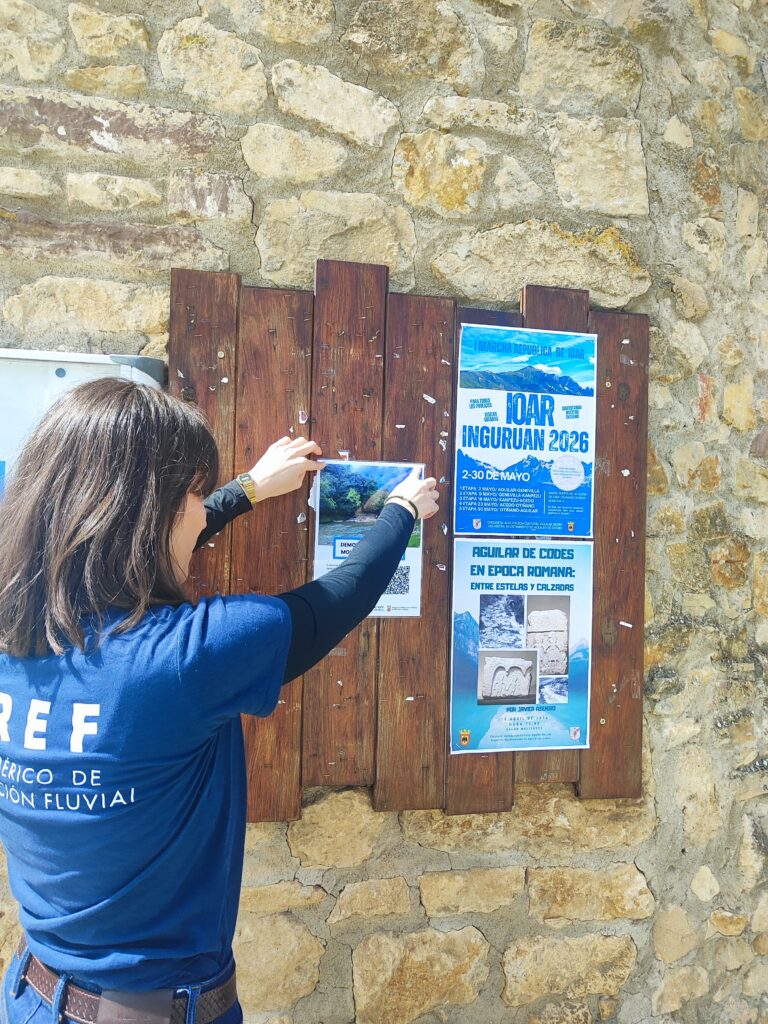
In parallel with the ecological and hydromorphological assessment, the team is also gathering insights on the social dimension of the project. This includes engaging with local communities and stakeholders to understand their perceptions of the barrier removal and its impacts. We distributed 2 surveys; one to the general public and another to the technical stakeholders, to explore levels of awareness, perceived benefits and concerns, as well as attitudes towards river restoration more broadly. These perspectives are essential for complementing scientific data and ensuring that restoration efforts are aligned with local needs and expectations.
A broader effort across the basin
In addition to assessing the Arquijas site, the team visited two other river barriers in the Ega basin that are scheduled for removal in the coming months (September 2026 and 2027). Together, these actions are expected to reopen approximately 30 kilometres of river habitat, further enhancing connectivity and ecological function.
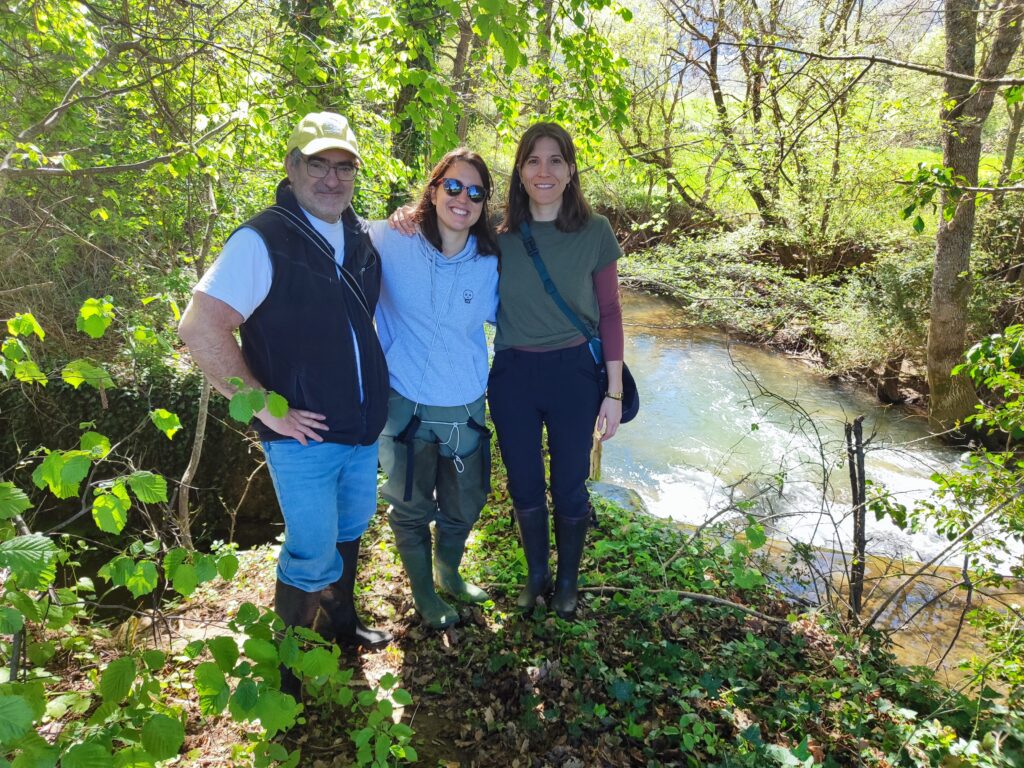
While recovery takes time, early observations from the Ega River show promising signs that reconnecting rivers can begin to restore natural processes and improve ecosystem health.