


L4R partners unite to restore ecological continuity and resilience in the Parsęta River basin
On 1–2 December, partners of the LIFE for Rivers project, officially titled “Adaptive Management Methods for Restoring Multidirectional Catchment Connectivity and Nature-Based Solutions to Improve Biodiversity and Adapt to Climate Change” (LIFE24-NAT-PL-LIFE for RIVERS), gathered in the coastal city of Kołobrzeg, where the Parsęta River meets the Baltic Sea, to officially launch this initiative. Focused on restoring the multidimensional ecological continuity of the Parsęta River system, the project applies nature-based solutions and adaptive management while rehabilitating riverbeds, wetlands, and riparian habitats to resemble their natural state.
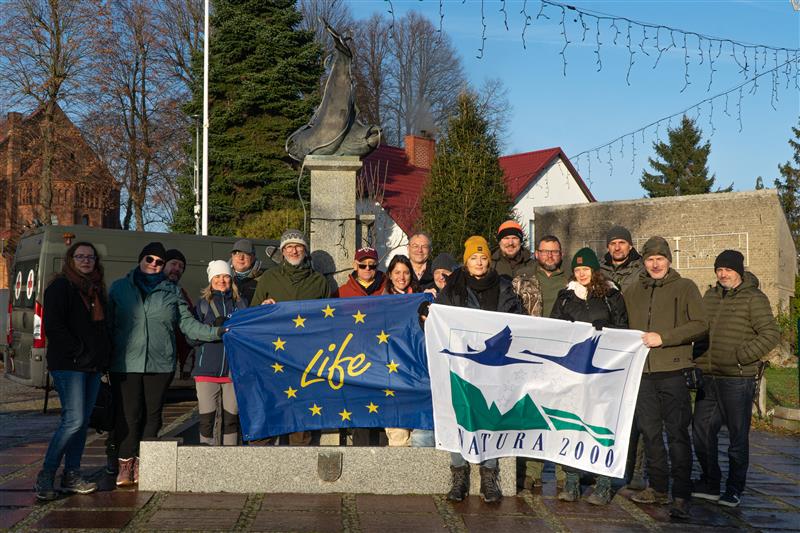
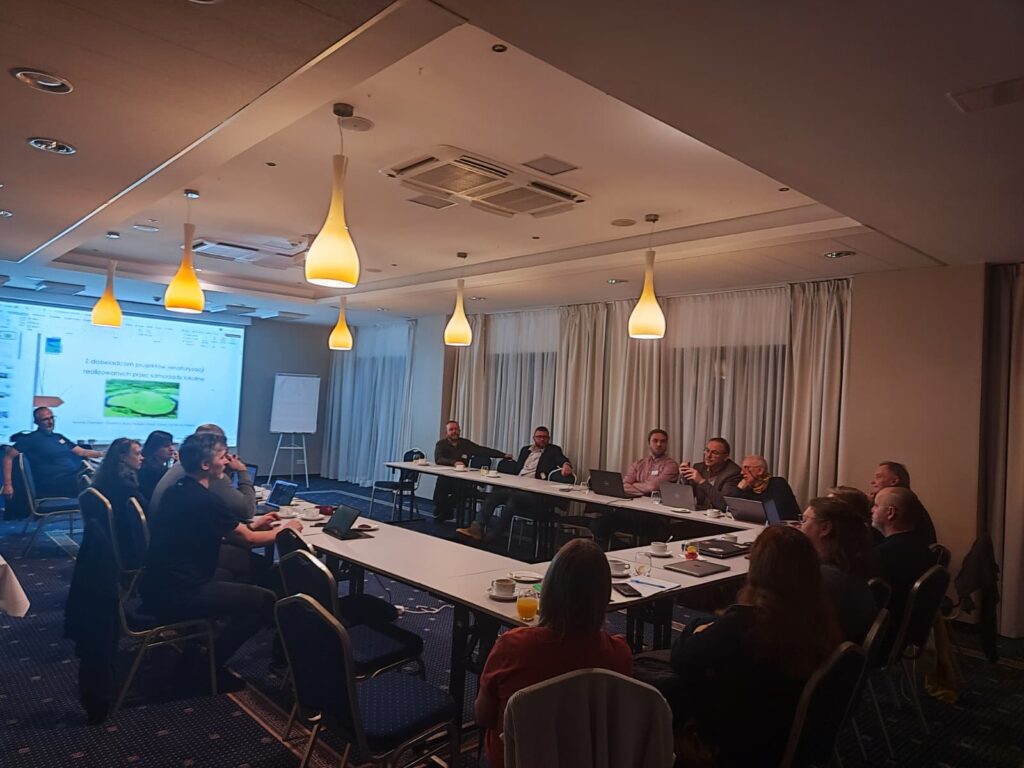
The meeting brought together a strong consortium of national and international organizations, including the Blue Rivers Foundation, Ośrodek Edukacji Ekologicznej, PGW WP Szczecin, Instytut Rybactwa Śródlądowego, WWF Poland, the University of Vigo, Instytut Oceanologii PAN, Szkoła Główna Gospodarstwa Wiejskiego, and the Regional Directorate for Environmental Protection in Szczecin. Together, the partners discussed the strategic direction of the project and visited several key sites across the Parsęta Basin.
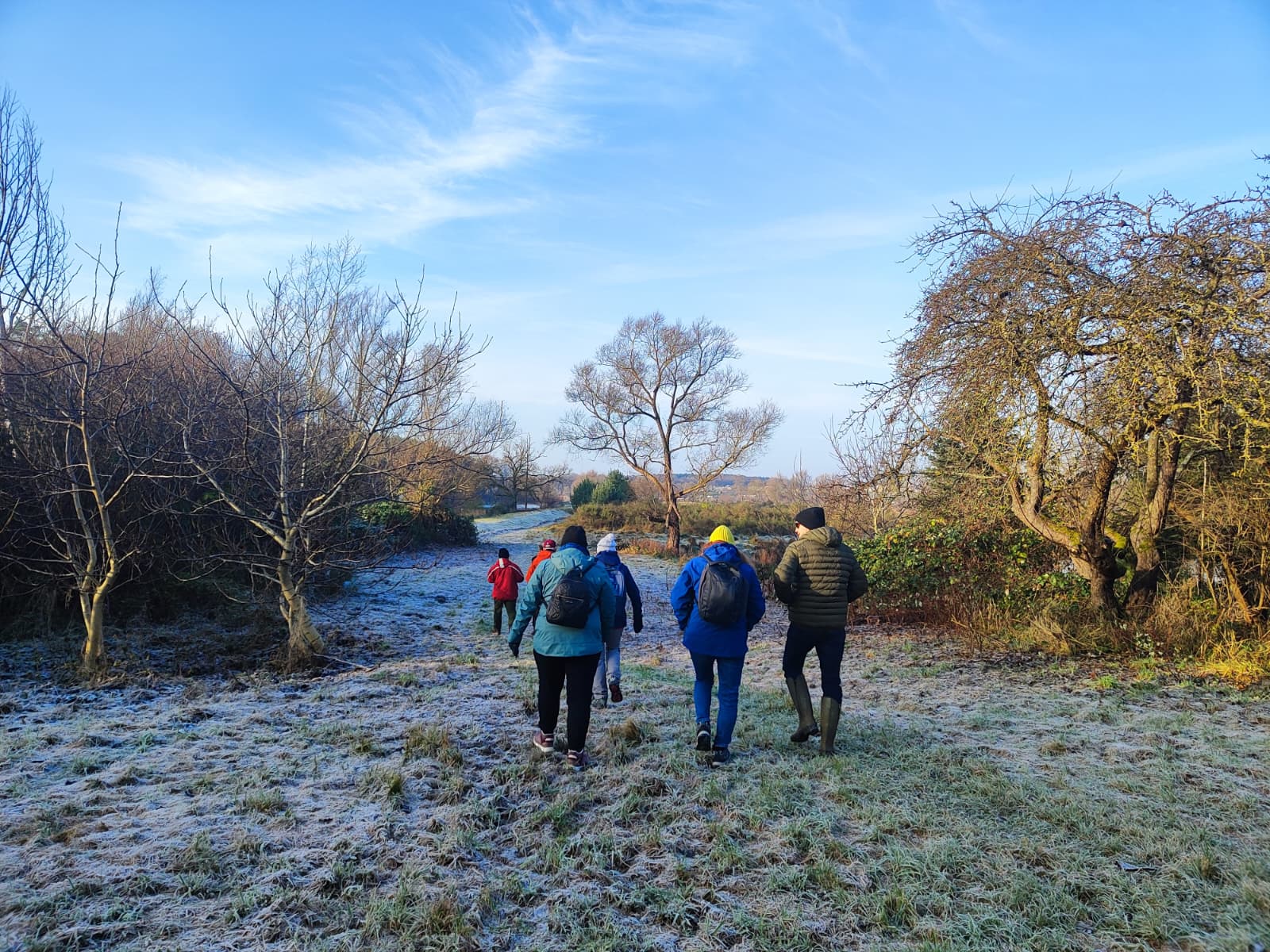
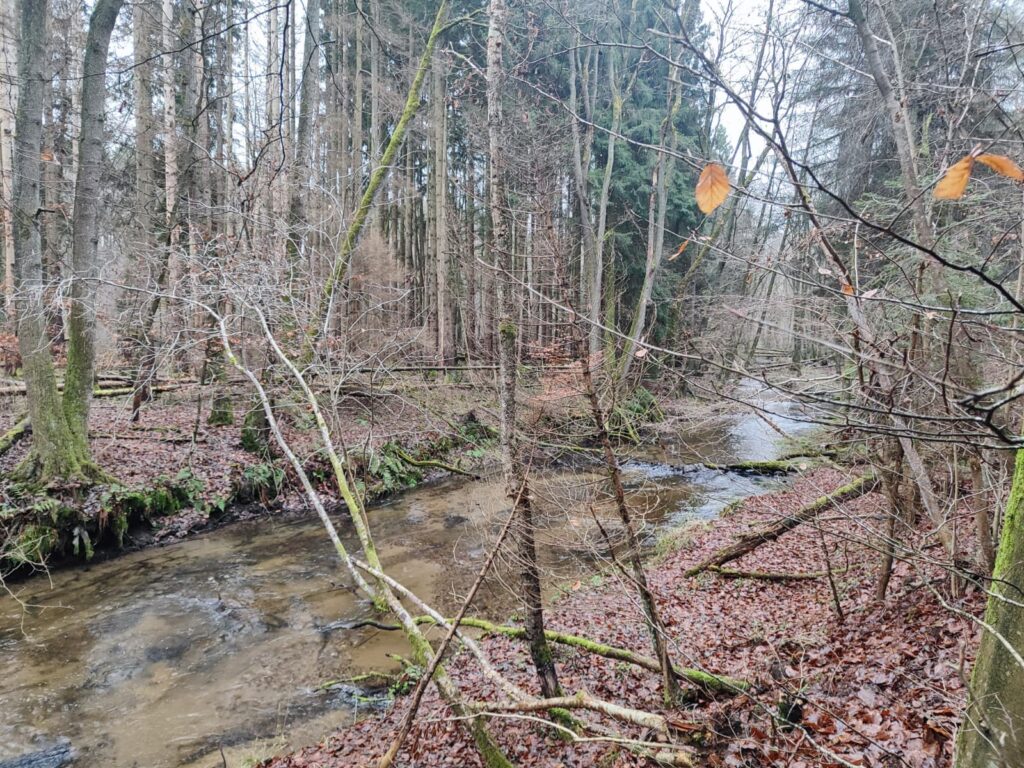
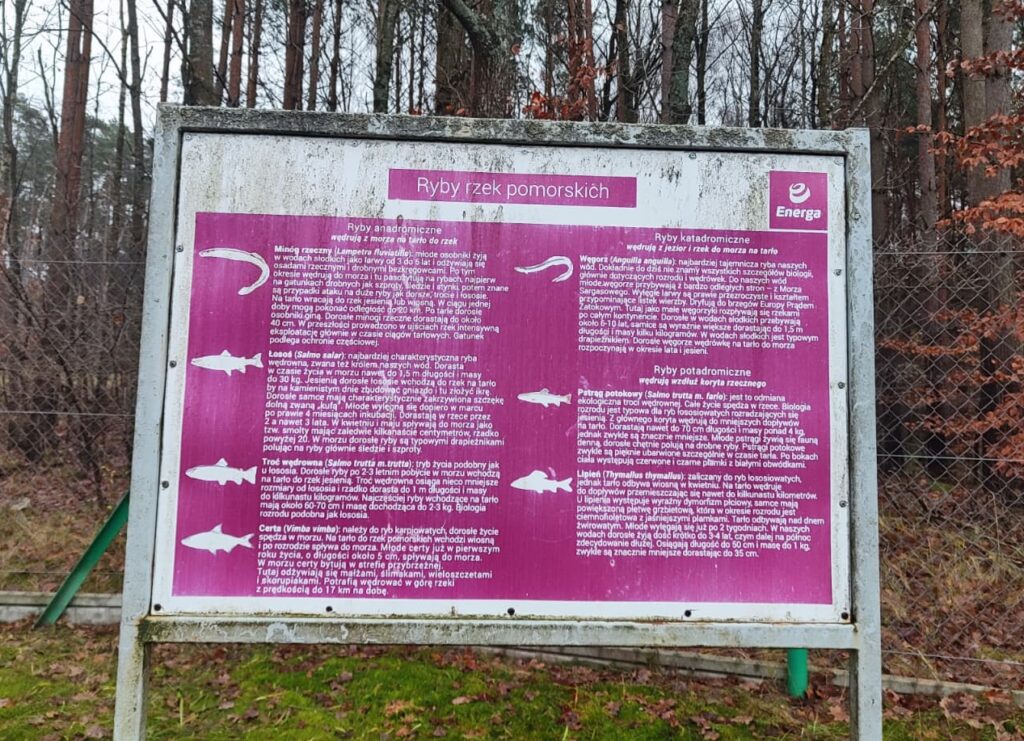
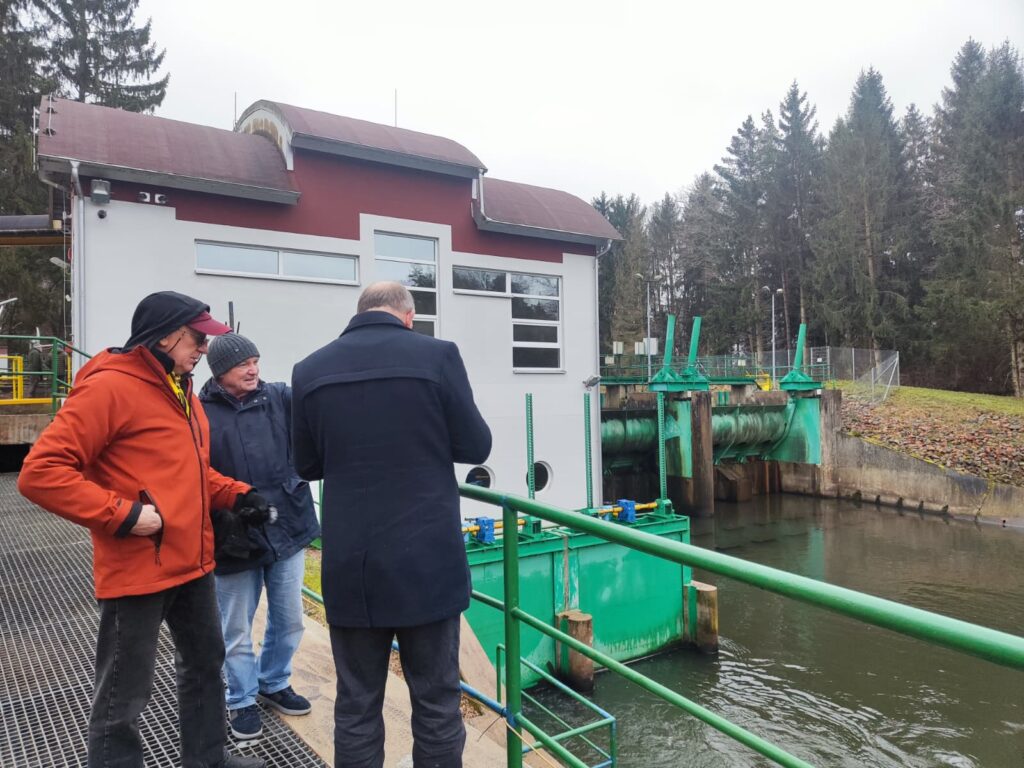
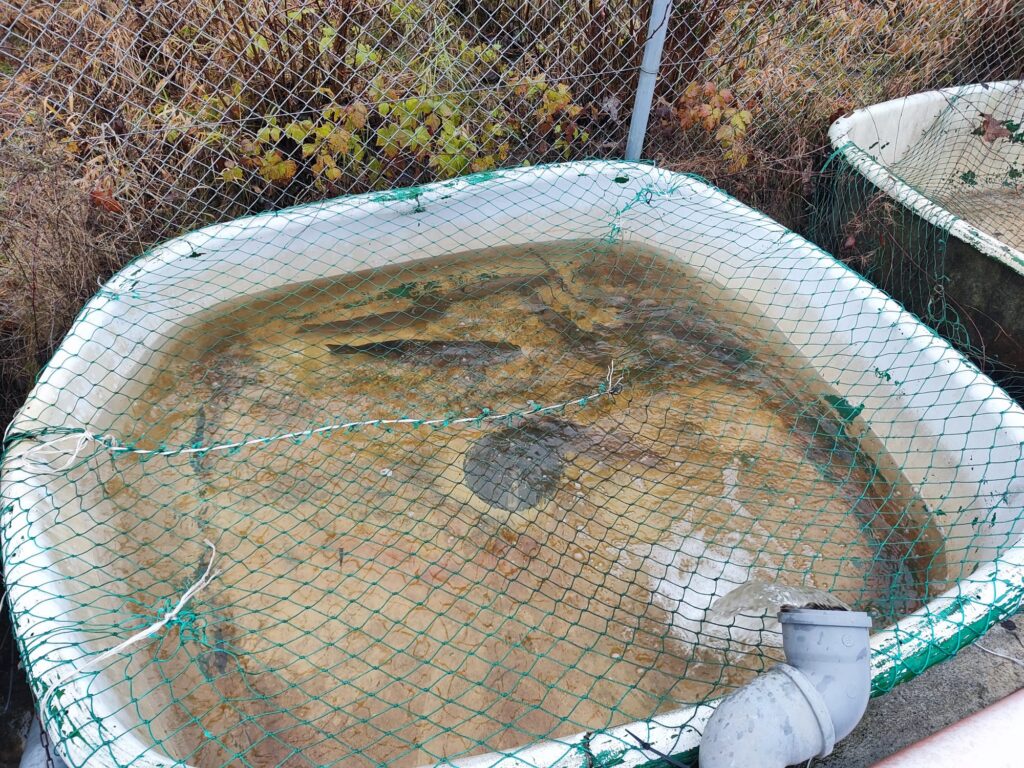
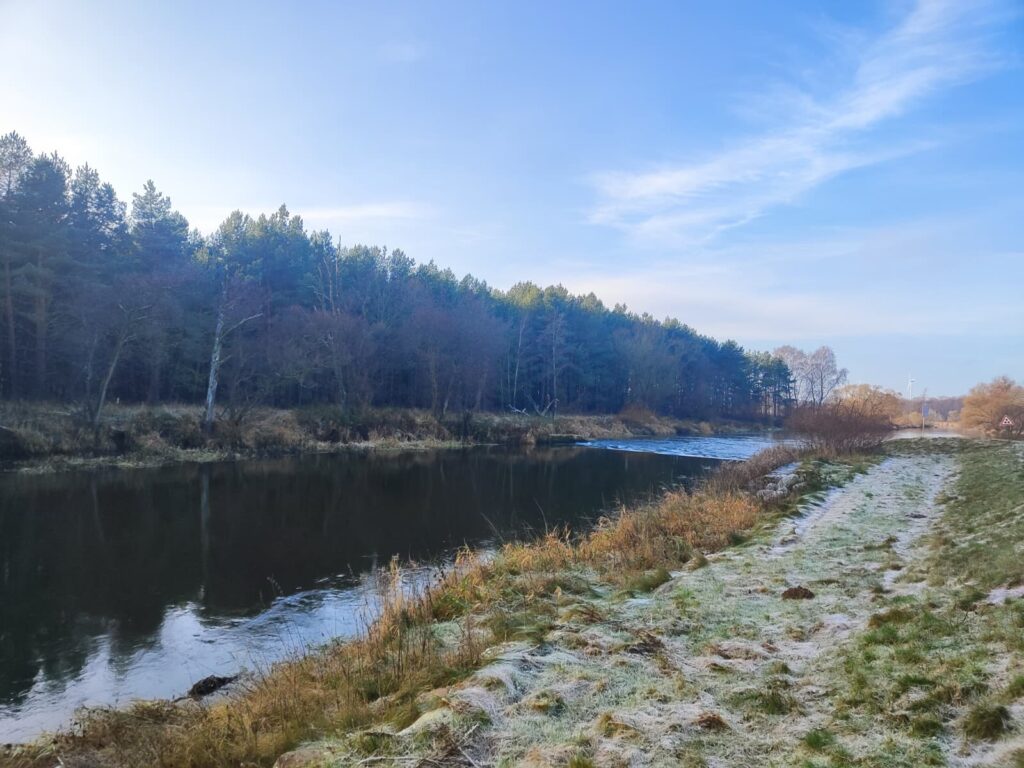
During the field visit, the team observed important habitats for migratory species, such as salmon and trout, several planned barriers for removal, and natural breeding areas that would greatly benefit from improved connectivity. They also visited a hydropower barrier equipped with a monitoring fish pass, which will be rehabilitated and modernised as part of the project. These locations offered a first-hand understanding of the challenges and opportunities across the watershed.
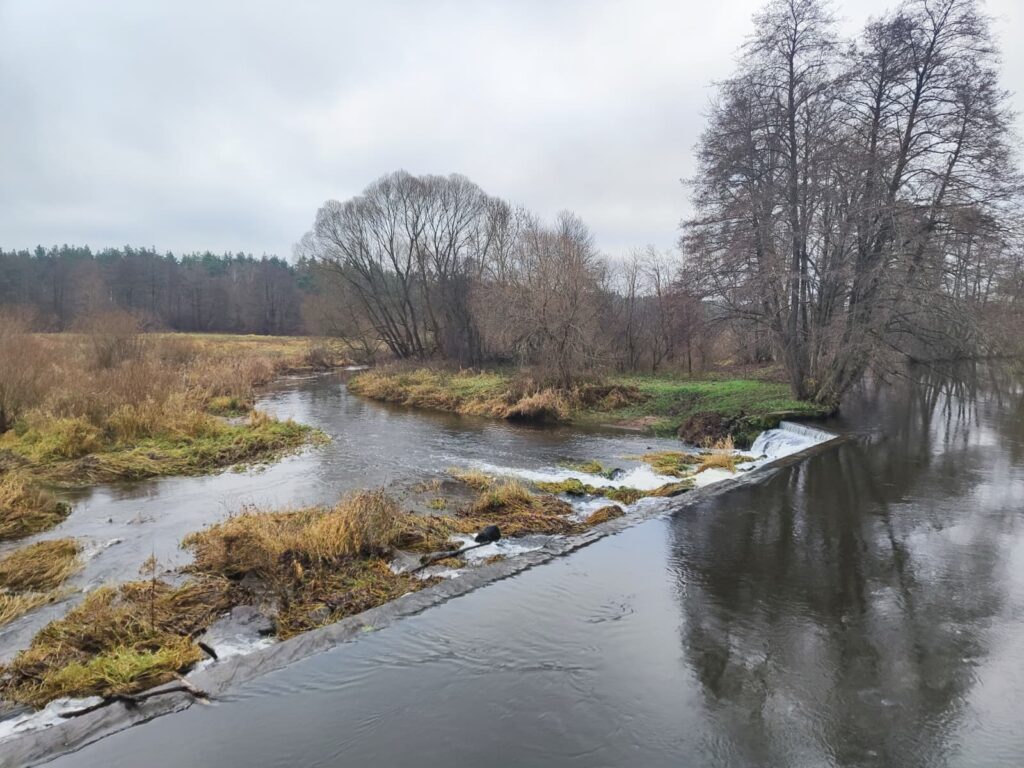
LIFE for Rivers aims to significantly improve the ecological condition of the Parsęta basin by restoring natural river dynamics, enhancing habitat diversity, and reconnecting floodplains and riparian zones. A total of 23 barriers are planned for removal, helping to reestablish the natural flow of the river and create a model for future restoration efforts across Poland and beyond. By increasing biodiversity and resilience, the project also supports climate change adaptation for both ecosystems and local communities.
As a partner, the Blue Rivers Foundation contributes by running simulations to identify cost-effective ways to improve river connectivity, supporting stakeholder engagement, and leading communication efforts. BRF is also analysing social and institutional challenges to restoration and developing the “Blue Flag” award scheme for the Parsęta watershed, designed to promote sustainable river stewardship.
This kick-off meeting marks an exciting beginning for a project that aims to bring the Parsęta River system closer to its natural state and create long-lasting benefits for people and nature.
The meeting was held within the framework of the project “Adaptive Management Methods for Restoring Multidirectional Catchment Connectivity and Nature-Based Solutions to Improve Biodiversity and Adapt to Climate Change” (LIFE24-NAT-PL-LIFE for RIVERS), co-financed by the European Union’s LIFE programme. The views and opinions expressed however, belong solely to the author(s) and do not necessarily reflect those of the EU or CINEA. Neither the EU nor the granting authority LIFE Programme can be held responsible for them.
