

Removing knowledge barriers for more effective conservation of migratory fish
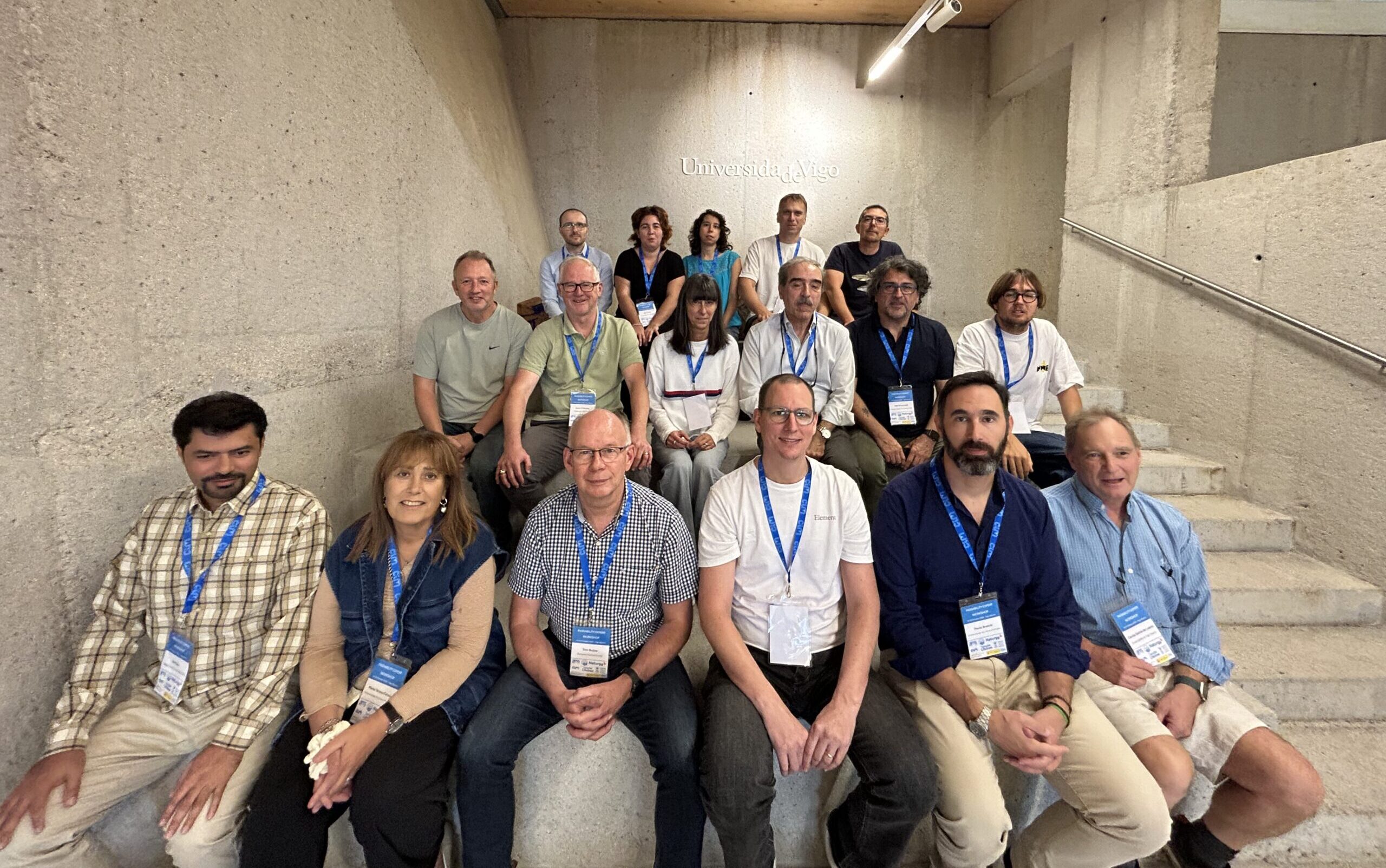
In the north of Spain, the University of Vigo recently hosted an international workshop focused on improving how we assess river barriers and restore connectivity for migratory fish. The event took place on 14–15 October at the University of Vigo’s Redeiras Building.
This 2-day workshop was hosted by the Marine Research Center (CIM–UVigo) and coordinated by Prof. Carlos García de Leaniz, head of the Blue Rivers Foundation and researcher at the University of Vigo. The shared mission of the workshop was clear: to accelerate the development of innovative, AI-driven methods to determine barrier passability and identify priority sites for restoration. A total of 18 experts participated, representing institutions from the US (Oregon State University), Austria (BOKU), the Netherlands (Deltares), Hungary (BLRI), the UK (University of Southampton, University of Kent), Portugal (University of Lisbon), and Spain (University of Vigo, CSIC, University of Valladolid, Xunta de Galicia).
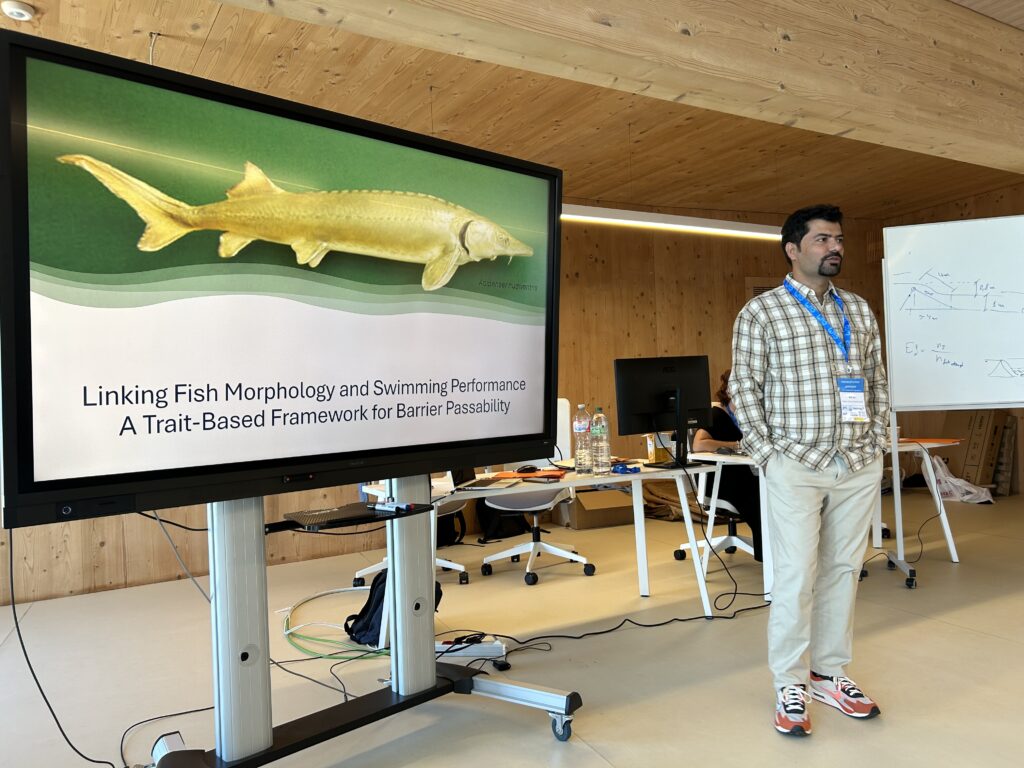
Under the EU Nature Restoration Law, Member States must reconnect 25,000 km of free-flowing rivers by 2030. Meeting this target depends on knowing which barriers should be removed or modified first. Estimating barrier passability is therefore essential, but challenging, as it varies widely depending on barrier structure, environmental conditions, and species-specific behaviour. There is an urgent need for rapid passability assessments that can draw on new AI-driven approaches and support the delivery of Europe’s free-flowing river targets.
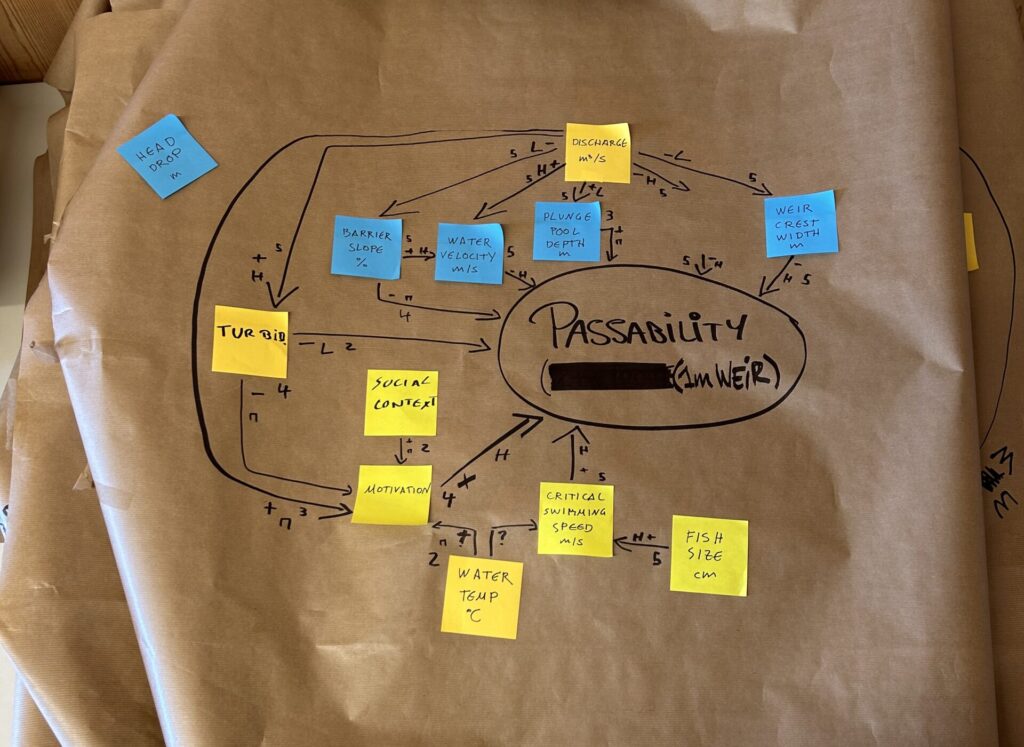
Barrier passability varies with physical structure, hydrology, and fish behaviour, making standardized assessments a major challenge. This workshop aimed to tackle exactly these knowledge gaps. During the meeting, participants worked on building fuzzy cognitive maps through expert assessments. The goal was to identify the key factors that determine whether a barrier is passable or not for different species. Participants also explored the potential of artificial intelligence models to estimate passability from photographic records using computer vision and fuzzy logic.
Prof. Carlos García de Leaniz highlighted once again that restoring connectivity across 25,000 km of rivers requires a clear understanding of barrier permeability. “An effective restoration of river connectivity depends on the ability to prioritize which barriers need to be removed or modified,” he explained. “For this, estimating passability is essential, but these estimations are notoriously complex, as they depend on barrier characteristics, environmental conditions, and differences between species and individuals.”
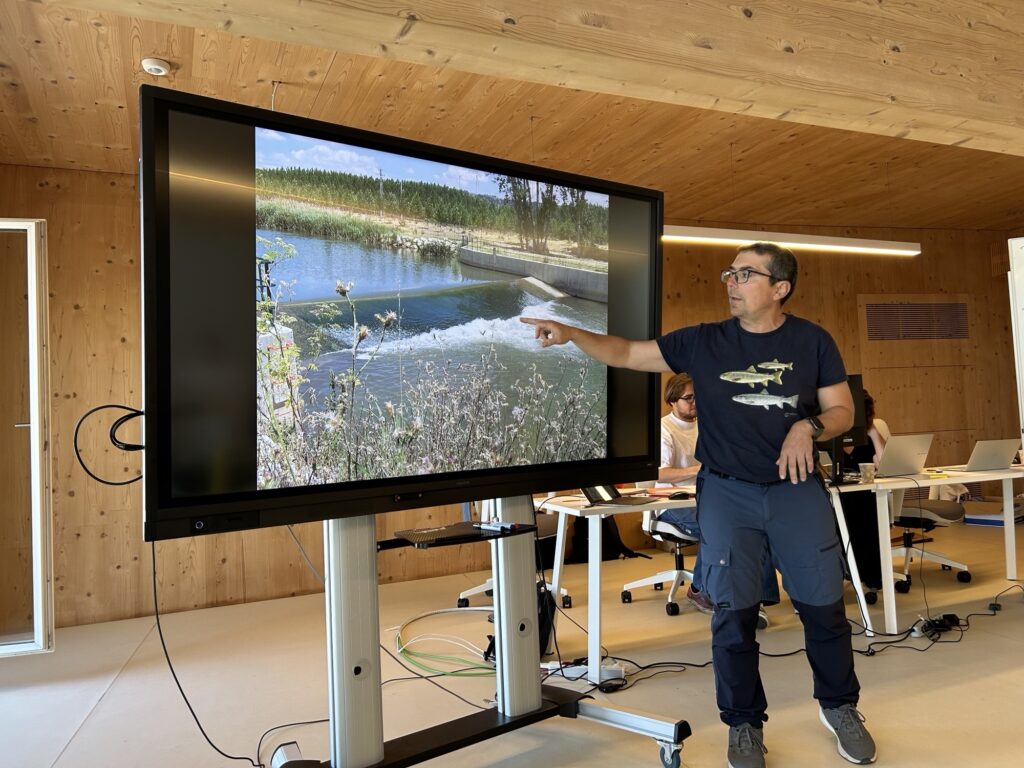
The workshop brought together researchers from Oregon State University (USA), Swansea University, the University of Southampton and University of Kent (UK), BOKU (Austria), Deltares (Netherlands), BLRI (Hungary), the University of Lisbon (Portugal), as well as experts from the University of Vigo, IIM-CSIC, the Doñana Biological Station (EBD-CSIC), and the University of Valladolid.
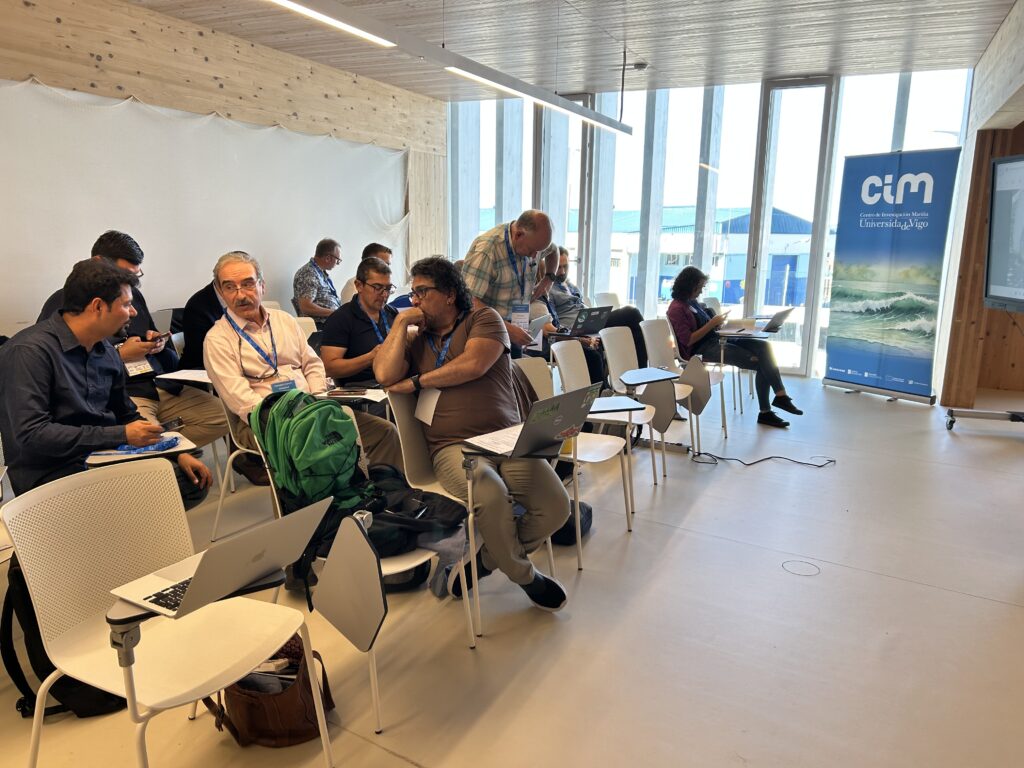
The event was sponsored by the European project Danube LifeLines, the Spanish Ministry of Science, Innovation and Universities-State Research Agency, Naturgy, and the FreeFlowLab group at CIM-University of Vigo and Swansea University.